
D-Marin Biohut Programme Wins Gold and Platinum Environmental Awards
The Biohut programme, with 171 habitat units across four Mediterranean D-Marin locations, receives gold and platinum distinctions at Greece's Environmental Awards.
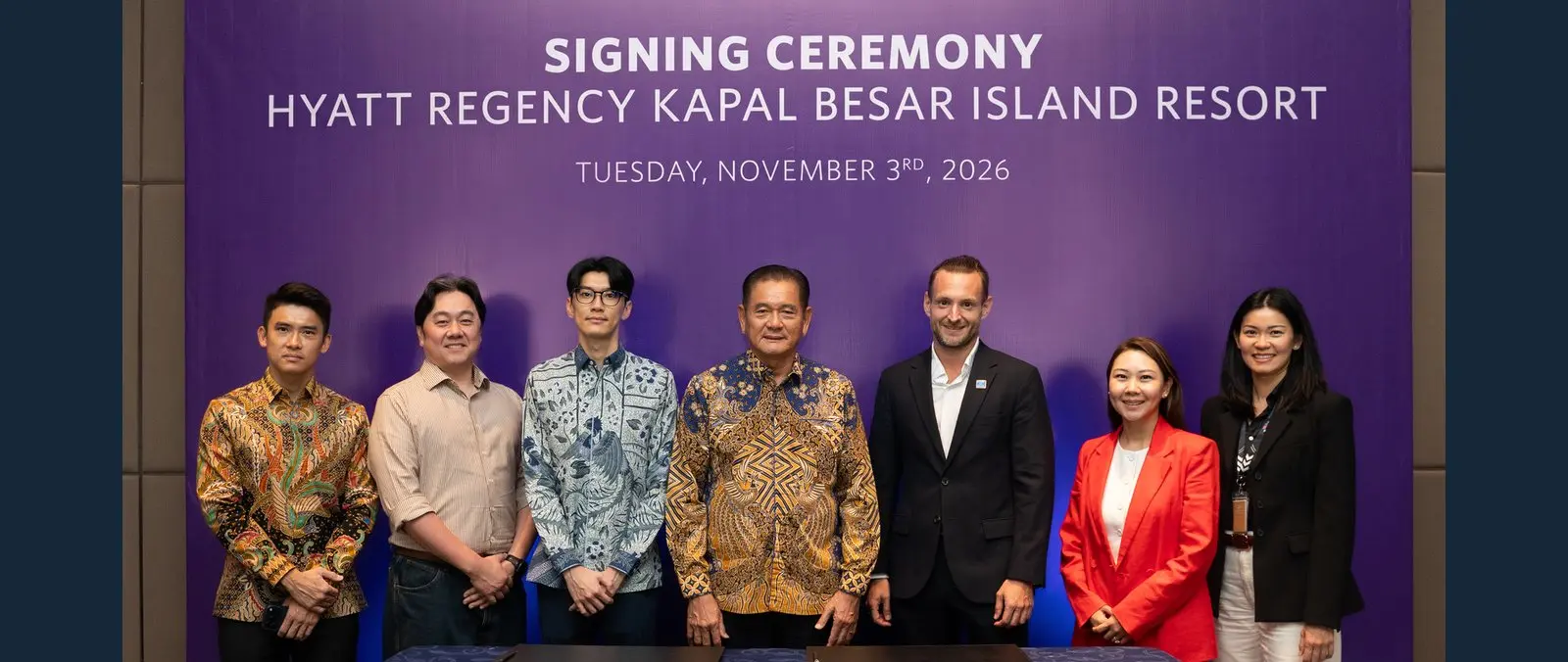
Hyatt and PT Citra Buana Prakarsa sign a 140-room island resort agreement near Batam, with an expected 2031 opening and access via Nirup Island.
Hyatt Hotels Corporation and Indonesian developer PT Citra Buana Prakarsa have signed a management agreement for a planned Hyatt Regency resort on Pulau Kapal Besar, an island in the Riau Islands near Batam. The announcement, issued on 4 November 2026, identifies a 140-room-and-suite property with an anticipated opening in 2031. It is a development agreement rather than the opening of a completed hotel. That distinction matters for travellers planning journeys, yacht operators assembling regional itineraries and businesses assessing when the project's proposed facilities might become available.
The planned property would introduce Hyatt Regency to the Riau Islands, adding an internationally recognised hotel brand to an island group positioned between Indonesian coastal destinations and the Singapore visitor market. Hyatt describes it as part of a wider strategy to expand across Indonesia. The developer sees Kapal Besar as one component of a cluster of island resorts. Details such as construction progress, a final room inventory and confirmed operating services remain subject to future announcements.
Pulau Kapal Besar sits near Batam, south of Singapore, in waters where islands, short ferry crossings and coastal destinations are central to the visitor experience. The companies' release identifies the island as private and describes a setting with a lake, mangrove areas and coastline. Those characteristics help explain why the developers are presenting the project as a quiet island retreat rather than an urban business hotel. The geographical selling point is proximity to Singapore combined with a more secluded setting across an international border.
Proximity, however, should not be confused with seamless access. The announcement says travellers would pass through Nirup Island, where the nearest immigration checkpoint is situated, and then continue by ferry to Kapal Besar. It estimates approximately 50 minutes for the complete journey from Singapore's HarbourFront. That is a company projection, not a promise of a fixed transfer schedule or a statement that the eventual resort will operate its own public transport service. Immigration arrangements and actual journeys will depend on applicable rules and operating conditions.
The developer and Hyatt outline 140 rooms and suites, a spa, a fitness centre and outdoor swimming pools. The scheme also proposes a Camp Hyatt children's club with indoor and outdoor facilities and a dedicated entertainment centre. In broad terms, this is a resort configured for families as well as couples and groups, not a private-island hideaway offered exclusively to adults. The announcement explicitly identifies leisure stays, family holidays, weddings, celebrations and other gatherings as anticipated demand.
These details are plans at the agreement stage. They do not constitute an independently verified final design, and the release does not provide a room-by-room breakdown, restaurant count, room rates, villa sizes or a confirmed opening season. Prospective guests should also distinguish between resort amenities planned on land and marine infrastructure: the companies have not announced a Kapal Besar superyacht marina, berthing capacity, customs clearance for private vessels or a dedicated yacht tender terminal as part of this announcement.
Hyatt Regency operates in a broad segment spanning business hotels, convention properties and leisure resorts. On Kapal Besar, the intended appeal is an island environment that can accommodate both time spent at leisure and organised gatherings. The inclusion of a children's club, entertainment facilities and multiple relaxation spaces suggests a property designed to give families reasons to remain on the island throughout a visit. Whether that translates into lengthy stays will depend on the eventual mix of accommodation, food and beverage options and activities.
Event facilities may be particularly relevant to the regional short-break market. A wedding or private celebration on an island near Singapore offers an alternative setting to an urban venue, provided the transport experience is reliable for invited guests. The signing notice does not specify conference-room areas or the size of any ballroom, so claims about convention capacity would be premature. The confirmed point is narrower: group events are part of the proposed positioning.
The management agreement brings together a global hospitality operator and a developer already active in Batam-area property. Hyatt will supply its Hyatt Regency brand and hotel operating expertise under the announced arrangement, while PT Citra Buana Prakarsa is the local development partner. Specific commercial terms, capital expenditure, property ownership structure and financing were not disclosed. It would therefore be inaccurate to assign a construction budget or suggest that Hyatt has announced direct ownership of the real estate.
PT Citra Buana Prakarsa says it was founded in 1988, is headquartered in Batam and has a hospitality portfolio exceeding 1,400 keys. Its activities extend to residential, commercial and industrial property. This existing regional presence is relevant to the Kapal Besar proposal because island accommodation depends on practical land-based systems as much as hospitality branding. The company has experience in the region, although the release gives no independently tested timetable for the new resort's planning, permitting or construction stages.
Kapal Besar forms part of the developer's longer-term island strategy. The 4 November release refers to existing resorts on Nirup Island and plans for neighbouring Pulau Layang and Pulau Kapal Kecil. Together these projects are intended to create a wider collection of destinations rather than a single stand-alone hotel. Whether they will share transport, activities or guest services has not yet been specified, and each proposed site should be assessed on its own announced development status.
For regional tourism, a group of complementary islands could broaden the reasons to travel beyond a single overnight stay. Visitors might eventually have choices of scenery and resort style, while operators could develop itineraries around several destinations. Those are commercial possibilities rather than confirmed packages. No published timetable from this announcement establishes when development on the other named islands will be completed or whether access between them will be available to independent leisure craft.
The most concrete access detail in the release is the projected 50-minute journey from HarbourFront using Nirup Island as the immigration point. That framing makes Singapore an obvious gateway for the resort's intended international visitors. It may also appeal to residents seeking a break that feels more remote than its physical distance suggests. However, travel time involves more than time underway: border formalities, ferry timetables, weather and onward movements can affect an actual journey.
Travel planners should wait for published transfer arrangements before making assumptions about check-in logistics, baggage handling or last departures. There is no confirmed passenger ferry schedule for a 2031 hotel in the company's announcement. For travellers arriving by private yacht, the information gap is wider: yacht-entry procedures, permitted landing locations and local marine services would need to be confirmed separately with the relevant Indonesian authorities and destination operators.
Superyacht Guide follows waterfront destinations as well as ships and shipyards because crew, owners and guests frequently use hotels, restaurants and shore facilities during a cruising programme. A luxury resort development close to well-travelled Singapore waters can therefore be of interest even when no marina is included in its announced specification. A future hotel could offer a shore-based meeting point, accommodation for visiting family members or a destination for an organised land excursion, assuming access and operating arrangements allow it.
That potential must not be mistaken for an established yacht service. The Hyatt announcement contains no commitments about deep-water approaches, shore power, fuel, large-yacht moorings or private tender rights. It gives no nautical chart information and no guarantee that vessels can call at Kapal Besar. Captains and managers should continue to rely on current official navigation, immigration and port guidance rather than treating a hospitality press release as marine-operational advice.
Hyatt and its partner emphasise the island's lake, mangrove landscape and coastline as part of the setting. That is useful descriptive information, but it does not by itself establish how future building, guest transport or waste systems will be managed. The release contains no quantified habitat protection commitments, marine-impact study or independently audited environmental performance targets for the Kapal Besar hotel. Those details would be important to review as the project moves from a signed agreement to construction.
Island resorts operate within sensitive coastal environments, and the credibility of nature-based positioning ultimately depends on implementation. Water supply, waste management, shoreline works and transport demand are material issues for any destination of this kind. These are questions for future project disclosures, not allegations about the companies involved. For now, the confirmed proposal is a resort designed to engage with existing lake, mangrove and coastal scenery.
Hyatt says the Kapal Besar resort is anticipated to open in 2031, roughly five years after the November 2026 signing. Long lead times are unsurprising for a new island hotel, where access and utility arrangements may be as important as the guestrooms. But 'anticipated' is a planning statement. It is not a completed-construction certificate, booking availability notice or a fixed opening date. Investors and guests should expect the details to evolve as subsequent milestones are announced.
Between agreement and opening, the useful signals will be verified planning approvals, the start of work, operator announcements about management appointments and eventually publication of bookable accommodation and transfer services. Until those milestones are visible, images and concepts should be understood as proposed rather than a representation of something guests can already experience. The announcement does not say that bookings are open, and it would be misleading to present Kapal Besar as a current Hyatt operating property.
Hyatt's announcement describes more than 245 Hyatt Regency properties in over 50 countries at the time of the release. Bringing that brand to the Riau Islands would extend its geographic coverage in Indonesia, while the local developer would obtain an international distribution and operating partner. Those advantages are the strategic rationale apparent in the companies' announcement; they are not a guarantee of occupancy, profitability or room-rate performance after opening.
The local project also sits within a much larger Hyatt network. The group reported more than 1,500 hotels and all-inclusive properties across 84 countries as of 30 September 2026. Readers should note that the network figure refers to the entire Hyatt portfolio, not to Regency alone. Nothing in the signing announcement provides a forecast for the Kapal Besar property's annual revenue, employees, investment return or impact on surrounding islands.
The signing is a substantial early marker for a new island hospitality concept near Singapore, but its practical significance depends on delivery. At present, the verified elements are the named developer and hotel operator, a management agreement, the 140-key plan, the island location, an anticipated 2031 opening and the facilities described in the joint announcement. Independent visitors and yacht itineraries cannot yet assume that the proposed hotel or any associated services are available.
For a wider maritime audience, the development is worth tracking because it connects regional island tourism, international hotel management and potential shore experiences within travelling distance of Singapore. Superyacht Guide will distinguish future confirmed milestones from initial promotional expectations. The factual basis for this report is Hyatt Hotels Corporation's company announcement published on 4 November 2026, including the developer's statements; analysis of potential market implications is editorial interpretation, not a representation that marine services have been promised.
Source: Hyatt Hotels Corporation announcement, 4 November 2026.
Continue reading
The Biohut programme, with 171 habitat units across four Mediterranean D-Marin locations, receives gold and platinum distinctions at Greece's Environmental Awards.
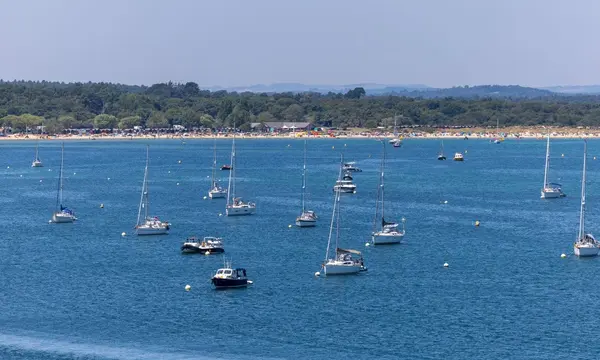
Five years of Studland Bay monitoring found average bare-seabed scars shrank 93.6% around trial eco-moorings, offering evidence for better yacht anchoring practices.
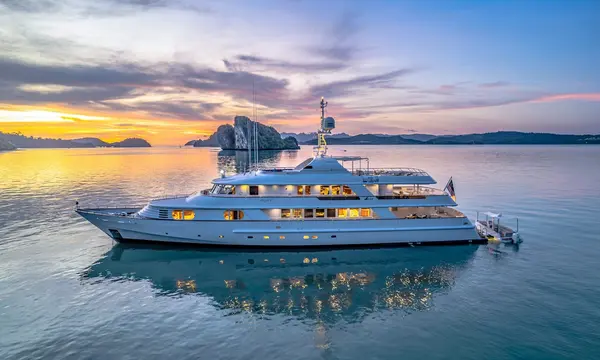
The 48.2m CRN-built AZUL V features in the October 12 premiere of Below Deck Season 13, filmed around Phuket, connecting a working charter yacht …

The 30m Sanlorenzo motor yacht JOHN was badly damaged by fire on 3 October at Marina di Brindisi; no injuries were reported among crew …
Superyacht Guide
Continue into the wider Superyacht Guide.
Business opportunities · Superyacht Guide
Companies serving the superyacht market can discuss clearly identified advertising, sponsorship and business-profile opportunities. Commercial activity remains separate from independent editorial coverage.