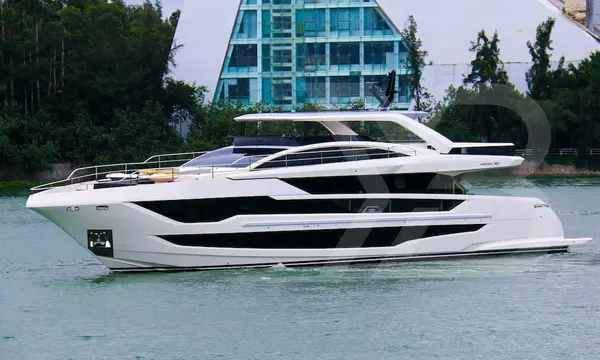
First Pearl 100 Hybrid Completes Sea Trials Ahead of FLIBS Debut
The first Pearl 100 Hybrid has completed initial sea trials ahead of its world debut at the 2026 Fort Lauderdale International Boat Show.
© ICOMIA / originating news and event partners. Official first-party editorial press image from the association’s release.
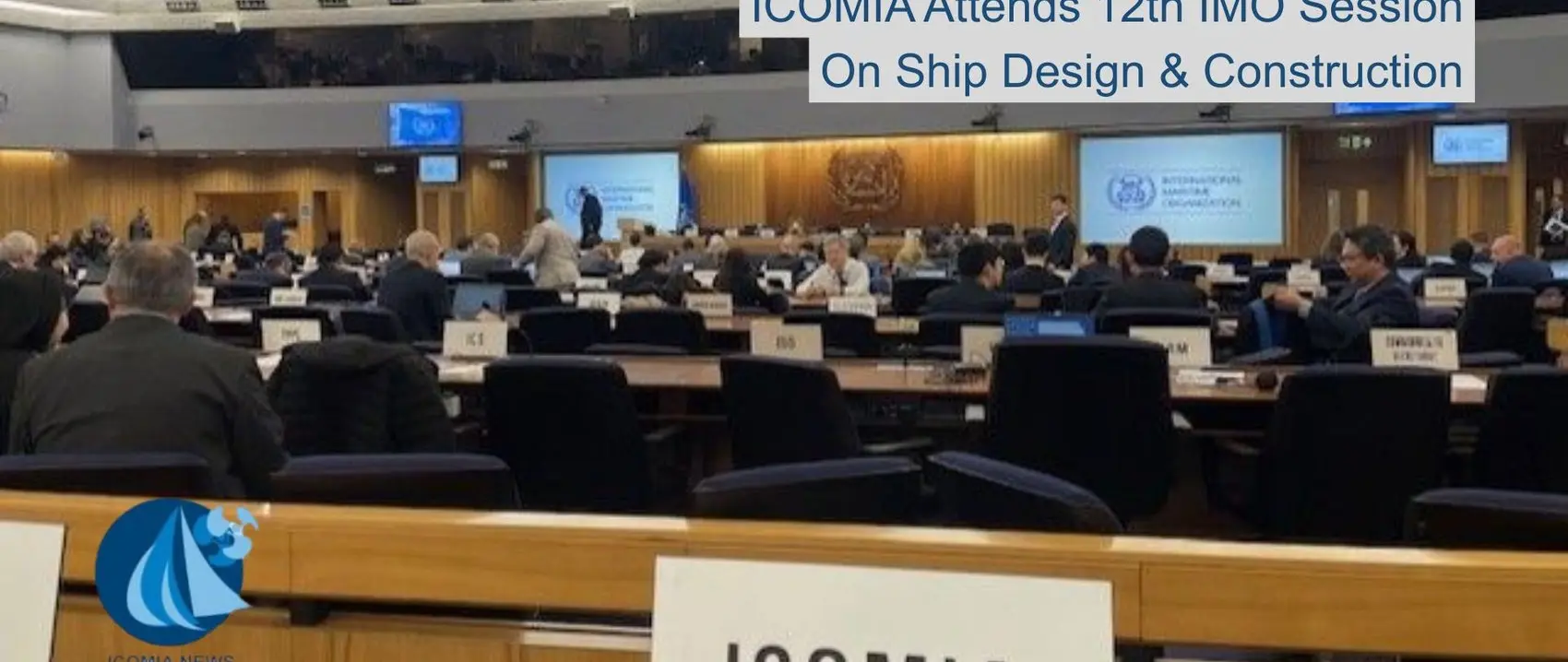
ICOMIA and SYBAss monitored IMO ship design and construction discussions on composites, underwater radiated noise, remote surveys and propulsion in January 2026.
The International Council of Marine Industry Associations attended the twelfth session of the International Maritime Organization's Sub-Committee on Ship Design and Construction in January 2026. The association's official account, dated 26 January, explains that ICOMIA and SYBAss participate so that leisure marine and superyacht interests are considered as the IMO discusses technical rules affecting ships. Subjects identified in the report include fibre-reinforced plastics, underwater radiated noise, remote inspection and emerging propulsion technologies. The participation is notable because superyachts are complex vessels, but it should not be described as the adoption of a new regulation or a change to existing certification requirements.
The IMO sets the framework for many international maritime conventions and technical standards. Some requirements apply differently depending on vessel size, type, certification and operation, making it important to understand how proposed measures could affect large recreational or commercial yachts. A superyacht over 24 metres may interact with multiple legal and class requirements, but not every IMO rule applies identically. Participation in technical discussions offers an opportunity for industry organisations to explain how yacht design and operation differ from commercial shipping. The association's report establishes its presence, not the outcome of any specific vote.
ICOMIA represents national marine industry associations, while SYBAss is associated with major superyacht builders. Both are described in the source as organisations able to monitor and engage with IMO technical work. Their involvement connects discussions at an international policy level with manufacturers and yards that may later need to implement new requirements. It is important to distinguish this consultative role from regulatory authority. A trade association cannot independently approve a design or exempt a vessel from law. Its contribution is to bring practical industry evidence into discussions that may otherwise concentrate on the largest commercial ships.
One technical theme was the use of fibre-reinforced plastic, often abbreviated FRP. Composite materials are relevant to certain yacht hulls, decks and structures, while many large superyachts use steel or aluminium for their primary hull. The safety and performance characteristics of a material depend on its composition, design and application. Discussions about standards can influence how engineers evaluate fire protection, strength, inspection and repair. The source does not identify a specific adopted rule or approve a particular composite construction method. Owners considering new materials should still obtain designs from qualified professionals and evidence that the proposed system meets all applicable requirements.
A material that performs well under one loading or environmental condition may behave differently in another. Large yacht construction involves fire safety, structural integrity and the ability to repair components during a vessel's working life. Composite systems introduce questions about inspection, damage assessment and manufacturing quality that differ from those associated with welded metal. Regulatory work can help clarify how such factors should be documented. However, the value of a material is determined by technical evidence and its intended use, not simply by inclusion on a meeting agenda. Classification and independent engineering review remain essential.
Underwater radiated noise is another topic mentioned in ICOMIA's report. It concerns sound transmitted from a vessel into the water, potentially arising from propulsion, machinery and other sources. Large-yacht operators may already consider noise and vibration for guest comfort, but the environmental perspective creates different questions about the underwater acoustic footprint. Assessing that impact requires appropriate methods and relevant operating conditions. The report does not announce a universal limit for superyachts or declare that any particular yacht is non-compliant. It confirms that the subject is receiving attention within an international ship-design forum.
A yacht can feel quiet to people aboard while still producing underwater sound, and the reverse may also occur under particular operating conditions. Engineers should not assume that interior decibel measurements quantify effects on marine wildlife. Underwater sound assessment involves a different physical environment, instrumentation and interpretation. A technical discussion about radiated noise can encourage designers to consider propellers, machinery isolation and operational choices in a broader context. Yet an owner deciding on equipment needs documented testing rather than broad claims. Current legal requirements and scientifically supported guidance should be checked separately for the vessel and waters concerned.
The source also identifies remote inspection protocols as an area of discussion, including ways to monitor the seaworthiness of boats. Remote techniques may be attractive when vessels are far from survey facilities or when digital records can provide useful information. However, a remote review cannot automatically substitute for every physical inspection. Safety-critical structures, machinery or systems may still need direct examination and testing. The question is what evidence can be reliably obtained, how it is verified and when an on-site survey remains necessary. The meeting account does not describe an approved new remote inspection system for all yachts.
Digital documentation, video, sensors and remotely accessed maintenance records may support certain surveys when accepted by the relevant authority. They also create challenges around data accuracy, connectivity, cybersecurity and identification of the equipment under inspection. A yacht manager should not assume that an engineer's remote observation satisfies a class or flag-state requirement without explicit agreement. The potential benefit is better use of specialist expertise and more efficient preparation, not the removal of responsibility for vessel condition. Technical standards may evolve as experience develops, but the official report refers to ongoing discussion rather than completed rulemaking.
The IMO session also considered how new fuel and propulsion technologies may reduce environmental impacts. The announcement does not identify an approved yacht-specific solution or a timetable for universal adoption. The subject is complex because alternative fuels, batteries and hybrid systems affect vessel design, storage, ventilation, machinery control and emergency response. Different cruising programmes require different energy profiles. Engineers should examine the full system rather than compare propulsion technologies on a single advertised metric. Safety and reliability remain central considerations, and new equipment must be evaluated in the context of a vessel's class, flag and intended operation.
A change in propulsion may reduce one type of emission while increasing cost, weight or complexity elsewhere. Life-cycle effects can depend on fuel supply, generation, material choices and maintenance. The IMO's environmental work can help establish frameworks for examining these trade-offs, but the presence of a topic at a technical meeting is not proof that a proposed technology performs better in every case. For large yachts, reliable trials and detailed modelling are important before adopting unfamiliar machinery. Owners need to understand both the direct operating effect and the consequences for long-range cruising and future service support.
Ship Design and Construction discussions cover technical topics affecting vessel safety and environmental performance across the maritime world. Leisure yachts represent only part of that world, which explains why ICOMIA emphasises the importance of industry representation. A proposed measure designed around a large commercial ship may create different implementation issues for a smaller private vessel, while a particular yacht may still be subject to substantial international requirements. Technical engagement can help regulators understand those distinctions. The association's participation does not mean it controls the final outcome or can negotiate private exemptions for individual vessels.
Regulatory reporting often becomes misleading when discussion is described as a completed rule. The January release states that technical working groups advanced several subjects during a week-long meeting and that ICOMIA intended to update members when reports were finalised. It does not confirm new binding regulations for FRP, underwater noise or remote inspection. Owners and builders should therefore avoid making compliance assumptions based only on this news. Technical managers need to follow the final documents, implementation dates and the interpretations of applicable authorities. The most useful industry coverage explains the direction of discussion without pretending that deliberation has already become law.
A yacht may remain in service for decades, during which standards and operating requirements can evolve. Managers can maintain a register of relevant rules, certificates and inspections, supported by class and flag contacts. Monitoring industry association reports may help identify subjects worth watching, but those reports are secondary to legally authoritative notices. The January meeting shows why technical developments need long-term attention. A change discussed today may require further consultation before implementation, if it proceeds at all. Owners benefit from informed preparation, while avoiding unnecessary expense based on unconfirmed proposals.
A construction decision affects how a vessel is inspected, maintained and used after delivery. Material choice can influence repair procedures; propulsion architecture affects crew training and redundancy; noise-control measures may alter machinery arrangements. Remote inspection possibilities also depend on how equipment and records are designed into the yacht. Consequently, the topics discussed by the IMO are not isolated theoretical questions. They connect naval architecture with practical operating costs and responsibilities. The useful response for builders is to maintain dialogue between designers, engineering specialists, crew and regulatory advisers rather than evaluate each topic separately.
ICOMIA's verified statement establishes attendance at the twelfth session and identifies the main areas of interest: fibre-reinforced plastic construction, underwater radiated noise, remote inspection and technologies for lowering environmental impact. It also describes the association's intended monitoring role alongside SYBAss. The source does not specify approved amendments, their effective dates or the detailed votes of delegates. That distinction is essential for a professional newsroom because readers may make expensive decisions based on regulatory claims. Reporting the engagement accurately gives owners and yards a reason to watch future developments without overstating what happened.
The superyacht industry has a practical interest in ensuring that international technical standards are evidence-based and suitable for the vessels to which they apply. Participation by ICOMIA and SYBAss creates an avenue for the sector to explain its construction and operational characteristics. The benefit is not freedom from environmental or safety responsibilities, but a better-informed regulatory discussion. Owners, builders and managers should continue to monitor definitive requirements while considering how emerging technologies may affect their projects. The January 2026 session is a confirmed stage in that process, not an endpoint or a new set of rules for the global yacht fleet.
Continue reading
The first Pearl 100 Hybrid has completed initial sea trials ahead of its world debut at the 2026 Fort Lauderdale International Boat Show.
Swedish electric propulsion specialist Zparq names Nimbus Group CEO Johan Inden chairman as it scales compact pod-motor production for global OEM buyers.
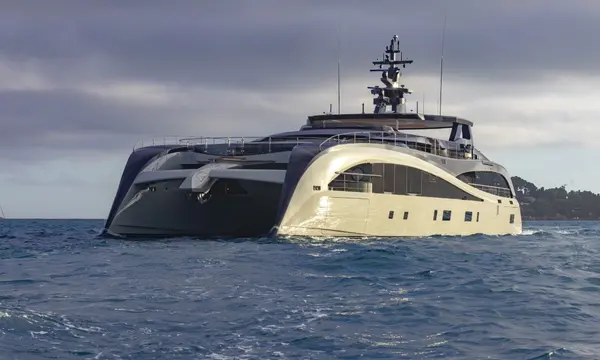
The 42.84m Rossinavi hybrid-electric catamaran SEAWOLF X has sold after marketing at €36.9m, with buyer and seller represented by specialist yacht brokers.

With the 16 November Marine Impact Lab approaching, organisers have detailed two practical workshops and eight topic tables covering materials, propulsion, finance and the …
Superyacht Guide
Continue into the wider Superyacht Guide.
Business opportunities · Superyacht Guide
Companies serving the superyacht market can discuss clearly identified advertising, sponsorship and business-profile opportunities. Commercial activity remains separate from independent editorial coverage.