IGY Profiles Santiago Herrera’s Seasonal Superyacht Marina Operations
By Superyacht Guide Newsroom · Edited by Superyacht Guide Newsroom
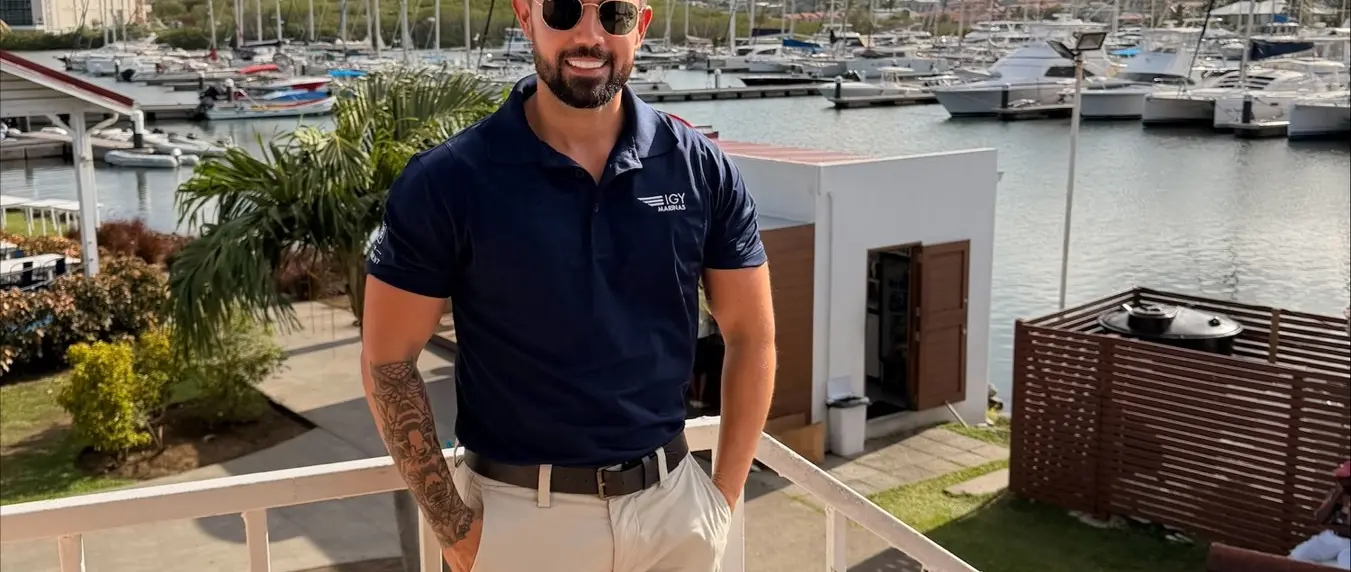
Santiago Herrera — official IGY Marinas interview photograph
IGY profiles regional manager Santiago Herrera, whose seasonal assignments in Porto Cervo and Rodney Bay connect marina staff development with operational continuity.
IGY Marinas has profiled regional operations manager Santiago Herrera in an interview published on 11 November 2026. His current assignments include summer work at Marina di Porto Cervo in Sardinia and winter work at Rodney Bay Marina in Saint Lucia. The interview provides a useful account of the company's approach to supporting local marina teams, transferring operating experience between regions and responding to problems that arise as visitor demand changes throughout the year.
For superyacht captains and managers, the significance of this arrangement is the emphasis on operational continuity rather than the opening of new facilities. A marina with substantial seasonal traffic must maintain its service standards while responding to peaks in arrivals, changing weather and the varying needs of people aboard. A regional manager can assist different sites with those challenges, provided the organisation retains appropriate local knowledge and a clear division of responsibilities. IGY describes Herrera's existing role; it does not announce a new appointment or change in the ownership of either marina.
Herrera studied accounting and business administration in Colombia before working in resorts in Panama. His early responsibilities included reception and resort management. He subsequently joined the marina team at Red Frog Beach after working at the associated resort. The interview describes his progression from office assistant to office manager and eventually general manager at that location.
The career path highlights how skills acquired outside the maritime industry can contribute to some aspects of marina operations. Accounting, customer communication, staff coordination and problem-solving are important in many service businesses. A person entering a specialised marine environment nevertheless needs to learn the terminology, operating constraints and responsibilities that are specific to it. Herrera describes learning those elements while working with captains and colleagues. For marina employers, a relevant question is how new personnel can be supported in acquiring that specialised knowledge without assuming that experience in another industry automatically qualifies them for technical maritime decisions. Effective induction and access to experienced mentors can help bridge the difference.
After managing Red Frog Beach, Herrera undertook regional assignments including work at Miami and Saint Maarten, according to the interview. His responsibilities included training other staff as well as acquiring experience in different parts of the business. Contact with colleagues from Porto Cervo subsequently led to his Italian assignments. He describes having completed his second summer season there at the time of the interview.
A professional working across locations has opportunities to identify issues that might otherwise be understood only from a local perspective. A method of recording service requests or planning maintenance, for example, may prove useful at several sites if it can be adapted to their particular circumstances. Other aspects of marina operation depend heavily on local geography, equipment, staffing, language and regulation. Experience at one facility cannot establish that a berth or procedure is suitable at another. The potential benefit of moving a manager between sites is the transfer of questions, ideas and lessons rather than the mechanical application of identical answers to every problem.
Porto Cervo is an established stop in Mediterranean luxury yachting, while Rodney Bay serves a Caribbean cruising market that includes private yachts, charter vessels and other recreational craft. Herrera explains that he now divides his time according to the summer and winter seasons at those locations. The arrangement enables his work to coincide with periods of substantial operating activity in each region.
The implications of seasonality are not identical at every marina. A site may need to prepare staff and equipment for a concentrated period of demand, while another may experience broader changes in the types of vessels and services it handles. The calendar of local events, maintenance schedules and environmental conditions also influences operating decisions. A regional manager familiar with those variations may help a local team prepare for its busy period without losing sight of the expectations of international customers. The interview does not provide comparable occupancy figures or operating budgets for Porto Cervo and Rodney Bay. The seasonal arrangement is evidence of a management approach, not a statistical demonstration that the two businesses perform in the same manner.
IGY describes Herrera's responsibilities as including short-term management support, operational assessments and action plans intended to improve site performance, efficiency and the experience of visiting guests. He also provides on-site training and mentorship to managers and department heads and can assist with operational issues requiring rapid attention. These responsibilities extend beyond the public-facing hospitality functions of a marina.
A useful operating assessment begins with accurate information about the site's actual activities and the resources available to carry them out. It may identify recurring service delays, gaps in staff knowledge or areas where procedures are inadequately documented. The resulting action plan should make clear which changes are required, who is responsible for implementing them and how their effectiveness will be assessed. A brief visit by a regional manager can identify issues, but the continuing work usually rests with the people operating the facility every day. For a captain, the relevant outcome is whether the marina can provide reliable information and manage its services consistently. The company interview does not publish Herrera's individual assessment reports or quantify the improvements obtained at each site.
Marina staff frequently encounter requests that are affected by circumstances outside their immediate control. A vessel may alter its arrival time, weather can prevent a planned movement, and a contractor may not be available when expected. The challenge for an operating organisation is to respond effectively without making unsupported promises or accepting requests that fall outside the facility's capabilities.
Herrera emphasises the changing circumstances of his daily work and the importance of listening to staff. Those observations are particularly relevant to a large-yacht environment where safe and reliable service often requires cooperation among several departments. A marina needs escalation procedures for situations in which an employee cannot make a decision within their normal responsibilities. Equally, yacht captains need to understand which arrangements are confirmed and which remain subject to further checks. An effective escalation process should not remove appropriate technical and safety constraints, but can reduce confusion about the people responsible for making a decision. Support from a regional manager is one possible element of that process; the specific operating arrangements of the site remain decisive.
Herrera identifies communication with people from different countries and cultures as one of his continuing professional challenges. He describes learning English and subsequently Italian during his career. In the marina environment, language skills have practical value because colleagues, visiting crews, owners' representatives and suppliers may not share the same first language or conventions for communicating important information.
An international business can support staff by creating clear procedures and making essential operational information accessible in appropriate forms. That matters especially where instructions concern vessel movements, use of facilities, maintenance or emergency arrangements. A friendly relationship with a captain is valuable, but should be accompanied by accurate records of the arrangements that have been made. The most useful communication is that which allows both parties to understand what is expected and identify uncertainty before it becomes an operational problem. The interview's emphasis on staff development serves as a reminder that communication is a skill that improves through experience and deliberate training rather than something to be taken for granted.
The profile documents a career built across hospitality and marina operations and describes an existing role that links staff mentorship with practical operational support. It provides an insight into the people responsible for maintaining continuity between cruising seasons and different geographic markets. For the marina group, the arrangement is a way of drawing on experience acquired through several assignments rather than restricting that knowledge to one location.
Owners and captains evaluating a marina should continue to assess each facility on its actual merits, including safe vessel access, suitable availability, reliable services and the competence of the local personnel. A management network can support those characteristics but cannot substitute for confirming them. The most useful insight from IGY's announcement is that professional development and operational knowledge are investments in their own right, alongside physical infrastructure. Herrera's seasonal assignments in Porto Cervo and Rodney Bay illustrate how an international marina company can organise that investment around the changing requirements of Mediterranean and Caribbean yachting.
Primary source: IGY Marinas official 11 November 2026 interview.
IGY Marinas — photograph from its official 11 November interview. Official source.
IGY Marinas — photograph from its official 11 November interview.
Explore
Go deeper into the yachts, companies, events and destinations directly connected to this article.
Continue reading
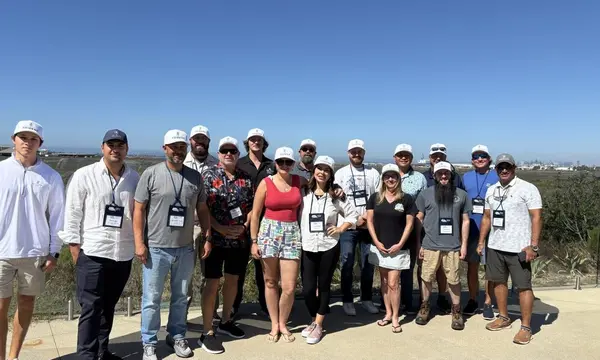
IGY reports that Mert Oygut and Rajesh Kurup completed Advanced Marina Management training in San Diego, strengthening leadership and operational expertise.
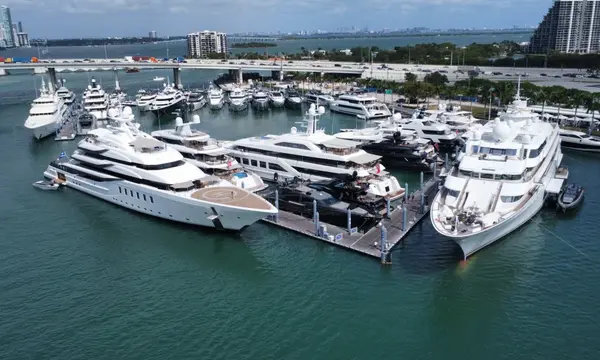
IGY reports new gym, yoga and crew facilities at Yacht Haven Grande Miami, complementing its in-slip refuelling capability for yachts up to 167.7 metres.
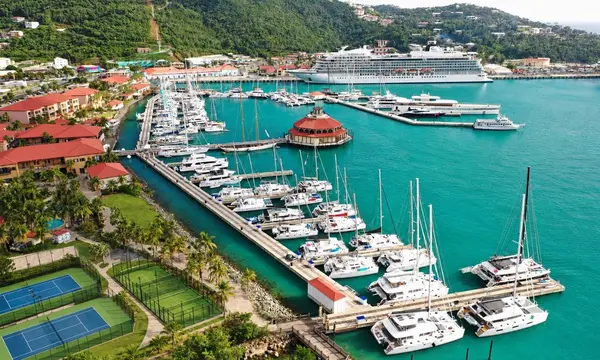
IGY Marinas has opened a new racquet and pool club at Yacht Haven Grande in St. Thomas and expanded its Harbor360 waterfront event space.
IGY Marinas has warned that the development of superyacht berthing and support infrastructure may not be keeping pace with the size and technical complexity …
Superyacht Guide
Continue into the wider Superyacht Guide.
Business opportunities · Superyacht Guide
Companies serving the superyacht market can discuss clearly identified advertising, sponsorship and business-profile opportunities. Commercial activity remains separate from independent editorial coverage.
