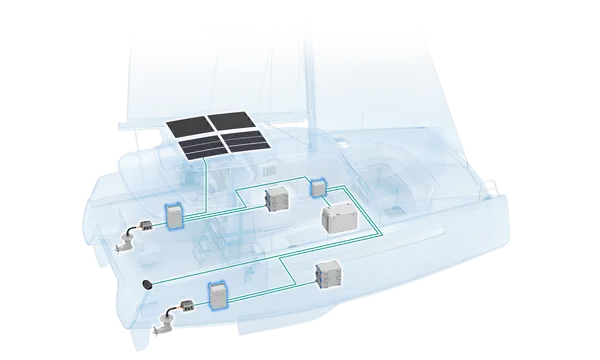
ePropulsion eCore Integrates 96V DC and AC Energy Management at Cannes
ePropulsion's new eCore Energy Management System combines a 96V DC core with an optional AC module to coordinate propulsion and onboard electrical demand.
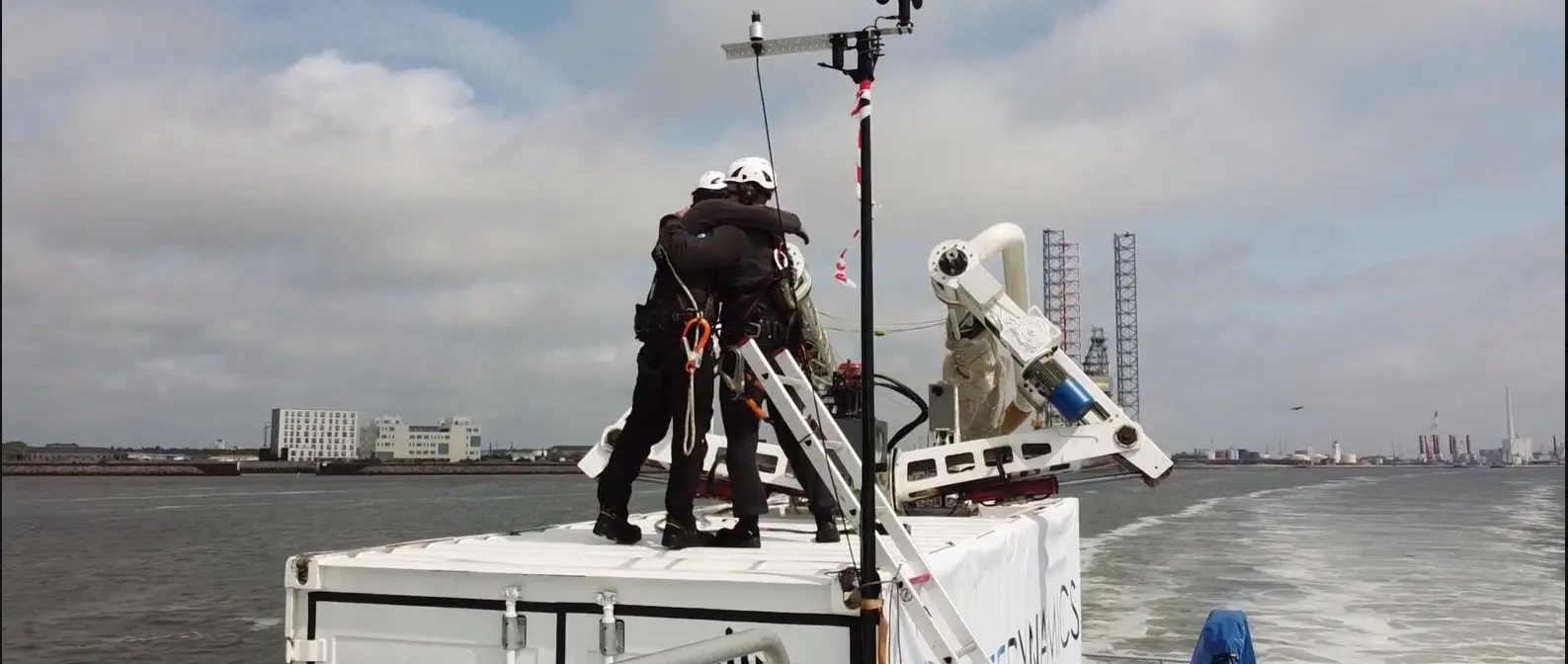
Image: Kite Dynamics
Kite Dynamics is developing four-line kite propulsion following at-sea trials in 2025 and 2026, with yacht applications remaining at the prototype and engineering stage.
German developer Kite Dynamics is advancing a wind-assisted propulsion system that uses a controlled kite above a vessel rather than a conventional mast and sail. Its 2026 test campaign off Lisbon follows earlier proof-at-sea work in 2025 and is intended to provide further engineering data for larger, more automated marine applications.
The company sees commercial ships as an initial market but is also exploring the potential for private-yacht use. That possibility is relevant to larger explorer yachts, where long passages and available bow-deck space may create a different operating case from conventional Mediterranean motor yachts.
Kite Drive combines a controlled wing with four lines, flight-control software and a launch-and-recovery system. By flying above the vessel, the kite accesses winds at height and provides a towing force that can reduce the load on the yacht's main propulsion equipment when conditions are suitable.
Kite Dynamics says it is also investigating the use of a related kite-pumping cycle to generate electrical energy. That is a separate engineering proposition from towing a yacht and should not be treated as a verified source of continuous hotel-load power on a delivered superyacht.
In a June 2025 trial the company operated a 15-square-metre kite with an 80-tonne vessel and reported acceleration from around one knot to approximately four knots in about a minute in 20-knot wind. The manufacturer also lists a subsequent 2026 Lisbon campaign using larger kites to refine control and system safety.
These are prototype test results, not a guarantee of speed or fuel savings on a much larger yacht. Future performance will depend on weather, vessel displacement, apparent wind angle, launch procedures, sea room and the integration of control systems with normal bridge operation.
The company describes its Q1 prototype as a step towards scalable wind propulsion and continues development of larger kite sizes and more automated handling. Launching, recovering and monitoring a loaded wing safely will be especially important aboard yachts, where deck operations must coexist with guest areas, helicopter access and tender handling.
A future yacht installation would also need naval-architectural review of towing loads, mounting structure, emergency release and watchkeeping procedures. The Lisbon testing establishes a development milestone, while actual superyacht adoption remains a future engineering and commercial decision rather than a completed fleet installation.
Continue reading
ePropulsion's new eCore Energy Management System combines a 96V DC core with an optional AC module to coordinate propulsion and onboard electrical demand.
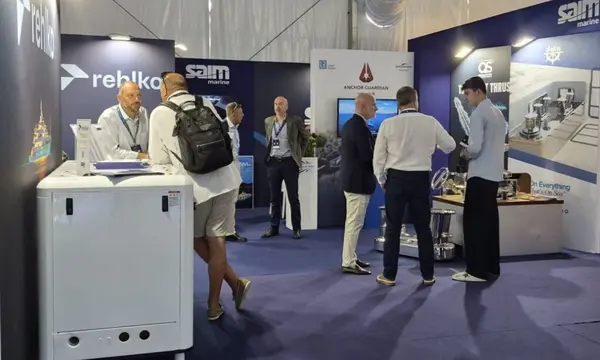
SAIM Marine is presenting a broad superyacht equipment portfolio at Monaco Yacht Show 2026, spanning propulsion support, generators, water systems and deck machinery.
Volvo Penta is using Monaco Yacht Show 2026 to present its IPS Professional Platform, D13 IPS Hybrid system and an interactive energy-management demonstration for …
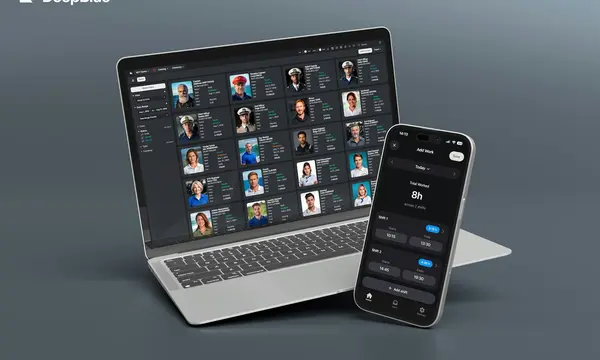
DeepBlue has overhauled its Crewing Package so contracts, crew planning, payroll, timesheets and Hours of Rest work from a connected crew record.
Superyacht Guide
Continue into the wider Superyacht Guide.