KM Yachtbuilders Highlights Spring 2027 Refit Planning for 24–30m Yachts in Makkum
By Superyacht Guide Newsroom · Edited by Superyacht Guide Newsroom
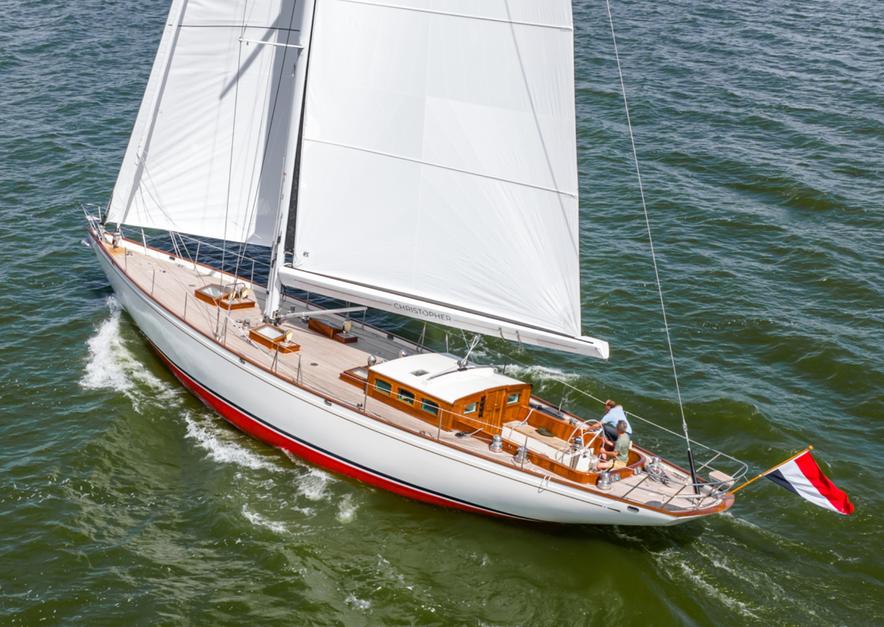
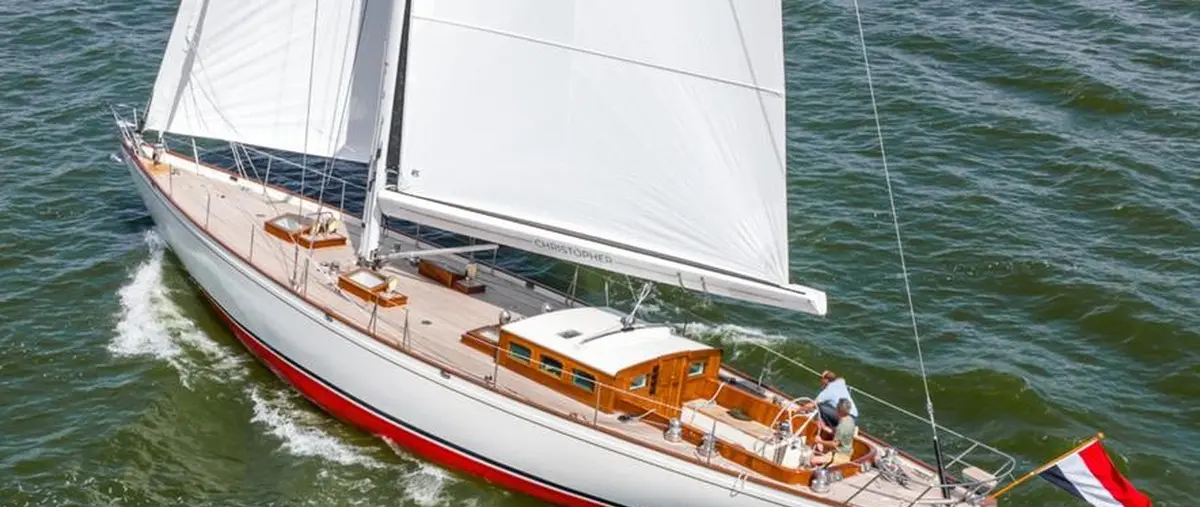
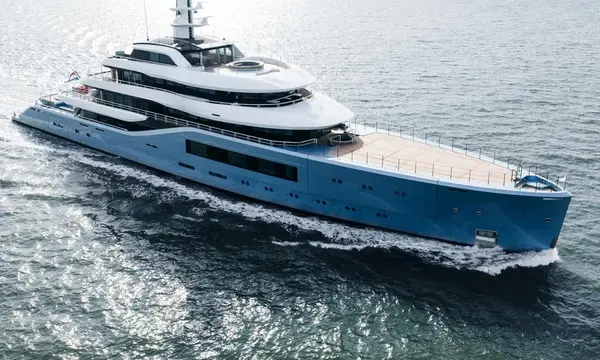
KM Yachtbuilders Makkum official alternate 2027 refit capacity promotional yard photograph
KM Yachtbuilders advertises second-quarter 2027 refit capacity in Makkum, highlighting the planning, scope and survey needs of 24–30-metre yachts.
Dutch shipyard KM Yachtbuilders has used its November 2026 METSTRADE exhibitor news to advertise a refit booking opportunity during the second quarter of 2027 at its facility in Makkum. The 11 November announcement is concise: the company says a refit slot is available and invites prospective owners to discuss their projects. The yard describes itself as a full-service builder and refit business working on yachts up to about 100 feet, with engineering, aluminium fabrication, carpentry, electrical work, machinery, painting and rigging among its in-house disciplines. For the 24- to 30-metre end of the superyacht market, this is a useful commercial signal about one yard's reported planning window rather than proof of capacity throughout the Netherlands. Availability may have changed since the notice was published, so **no specific date or booking is confirmed here**. The broader issue is how owners should assess yard capacity, technical scope and costs before committing a yacht to a fixed seasonal refit period.
An advertised period of capacity tells prospective customers that a yard was seeking work for a defined future window. It does not state how many yachts can be accommodated, the exact starting week or whether a particular project will fit its equipment and personnel. The size and duration of a refit depend on its scope, the yacht's condition and how many specialist disciplines must work together. A light maintenance period may be possible within a shorter interval, while structural work or a major systems renewal can take much longer. KM Yachtbuilders' notice should therefore lead to a discussion about capability and timing, followed by a technical survey and written quotation. A shipyard cannot responsibly guarantee an owner's preferred departure date before it understands the actual work and likely risks.
KM Yachtbuilders operates in Makkum, a location with a history of specialised yacht construction and marine services. Its current METSTRADE profile says it handles newbuilding, repair and maintenance with more than 25 years of experience. The stated upper size range of about 100 feet suggests particular relevance to compact superyachts and substantial sailing yachts rather than to vessels of 70 or 100 metres. Owners should not infer that the yard's lifting, shed and berthing facilities can accept any vessel below a rough length limit without checking beam, draft, displacement and equipment access. A 28-metre sailing yacht and a 28-metre fast motor yacht can create very different requirements. The yard can only confirm suitability once it has reviewed the particular boat and the proposed work.
The second quarter covers April, May and June, a period when many European-based yachts are preparing for or already entering the summer cruising season. A refit booked in this period may suit a yacht operating later in the northern summer or planning an extended voyage outside the traditional Mediterranean schedule. For others, it could conflict with expected charter commitments or owner use. The availability of a slot should not by itself determine the maintenance strategy. Captains need to weigh the condition of the yacht, insurance or survey deadlines and the likely time required for commissioning after work is complete. A yard may have a commercially attractive opening, but the vessel's actual operational calendar remains decisive. The first planning question is therefore when the yacht can safely be removed from service, not whether a particular date looks convenient.
The yard's exhibitor profile lists engineering, aluminium work, carpentry, electrical systems, mechanical services, painting and rigging among its own capabilities. This can help coordinate projects in which several technical disciplines interact, such as replacing a deck hatch while repairing adjacent structure and interior joinery. However, a full-service claim does not mean every specialist process is always carried out by employees or that all work can start simultaneously. Owners should ask which tasks will be done in-house, which will involve subcontractors and who is accountable for the integrated schedule. A clear project manager and regular reporting can reduce disputes when one activity holds up another. The value of a coordinated facility becomes apparent when the yard identifies interfaces before work begins rather than discovering them during final installation.
Many refit delays begin with assumptions about a vessel's underlying condition. An owner may request a new finish or upgraded equipment, only for the yard to discover hidden corrosion, fatigue or old modifications once fittings have been removed. A proper survey can reduce these surprises but cannot eliminate all uncertainty. The yacht should provide technical drawings, maintenance records and a clear description of reported defects. The yard can then determine whether additional inspection is needed before pricing. For an aluminium yacht, structural and corrosion considerations may be particularly important where dissimilar metals or trapped moisture are present. A sailing yacht may require inspection of rigging and keel-related machinery, while a motor yacht presents different propulsion and vibration concerns. The assessment should be tailored to the boat rather than treated as a standard checklist alone.
Refit projects frequently expand after work has started because owners or crew identify additional improvements. Some changes are justified by safety or necessary repairs; others reflect preferences that can be deferred. A well-managed contract should distinguish the agreed base scope from provisional items and unexpected findings. Each variation needs a description, cost effect and effect on the completion date before it is authorised. An owner who has committed to a spring departure may be tempted to add finishing details without understanding how they affect the critical path. The shipyard should provide realistic scheduling rather than make an unsupported assurance that every change can be absorbed. The result should be a project where the owner understands the trade-offs between technical necessity, visual improvement, expenditure and time.
KM Yachtbuilders is known for aluminium yacht work and identifies aluminium construction within its in-house services. Aluminium offers opportunities for complex custom forms, but repairs require suitable procedures and competent welders. A refit may involve replacing local structure, adapting a deck for new equipment or correcting an older installation. The yard should assess the original alloy, structural design and any applicable approval before altering load-bearing elements. Welds and modifications may need inspection or non-destructive testing as appropriate. The owner should not assume that a team experienced in aluminium construction can make unrestricted changes to every part of a yacht without documentation. A well-engineered modification preserves both the structural integrity of the vessel and clear records for future surveyors. That can be as important to its resale value as the appearance of the finished work.
Technical upgrades can create problems when modern components are installed beside older systems without a full integration assessment. Replacing a navigation display, generator or pump may also require changes to wiring, cooling, controls or alarms. A spring refit is an opportunity to review these interfaces, but the engineer should first identify which existing equipment can remain and whether parts or software will be supported in future. If a component is near the end of its expected service life, it may be more efficient to replace it while the yacht is accessible. Conversely, changing equipment that is functioning well can add cost and risk without a clear benefit. The yard and owner need a defined technical objective rather than treating the refit as an occasion to replace every older item.
Exterior finishing is highly visible to an owner, but the technical process behind a high-quality result can be lengthy. Surface preparation, environmental conditions, curing and inspection are all relevant. An available yard slot does not automatically mean that the weather, workshop space or paint-team schedule will suit every proposed coating programme. The contractor should identify the intended product system and the preparation requirements, and should allow time to address defects found beneath the original finish. For a yacht with intricate aluminium joinery or complex exterior details, adjacent work may need to be coordinated to avoid damaging the new coating. A detailed schedule should state when finishing begins and which work must be completed beforehand. The owner should also plan for inspection and any corrective work before the boat is returned to service.
The yard's profile includes rigging among its capabilities, which is relevant to owners of sailing yachts considering work in northern Europe. A rig-related project can involve standing-rigging inspection, mast fittings, winches, sails and structural attachments. The required facilities differ considerably depending on whether the mast stays stepped or is removed. Owners must establish whether the necessary lifting and specialist access can be provided for their particular yacht. If outside suppliers are involved, their availability should be confirmed before the start date is agreed. Work on a sailing yacht may also reveal other issues around chainplates or keel machinery that affect the schedule. Clear inspection priorities and an agreed process for responding to discoveries can help reduce the pressure to rush technical decisions.
KM Yachtbuilders separately announced that the German Frers-designed sailing yacht Tulip had returned to Makkum for an extensive refit. That is a different story from its advertised 2027 booking window, and the yard's brief Tulip update does not establish that the same scope or facilities would suit every new customer. The known 26.61-metre yacht nevertheless illustrates the general size and sailing-yacht context in which the yard operates. Owners should seek project references comparable to their own vessels, including information about work undertaken and the technical challenges involved. A yard's track record is useful evidence, but the result of one refit should not be treated as a universal guarantee of cost or duration. The current article concerns yard planning and procurement, not a second account of Tulip's return.
A yacht travelling to Makkum may need to allow for a delivery passage, crew accommodation, berthing and possible restrictions on access during work. Owners should establish the conditions under which the yard accepts and returns a vessel, including any requirements for insurance, handover and storage of personal effects. A refit performed away from the yacht's normal operating region can incur travel and support costs that are absent from the headline yard quotation. The availability of local specialists and spare parts may help, but some equipment still needs to be imported. The project budget should identify logistics separately from direct labour and material charges so that the owner can compare alternative yards fairly. A seemingly lower repair quote may not be the best total-cost choice once all movements and delays are included.
A refit is not complete when the final craftsman leaves the vessel. The yacht may need trials of repaired machinery, updated manuals, crew familiarisation and any applicable inspections before returning to normal service. If work has affected systems connected to navigation or safety, approval or survey requirements may also apply. The shipyard should provide testing records and explain any restrictions on use. Owners should allow a realistic period for this stage, rather than booking a fixed charter immediately after an estimated workshop completion date. Crew members should receive updated drawings and records of newly installed parts. A successful handover provides confidence that the work is functioning as intended and that future maintenance can be performed without repeating the original diagnosis.
The METSTRADE note is dated 11 November 2026. By 22 November, the yard may have received enquiries, reserved the period or changed the available scope. It would be inappropriate to claim live booking availability without checking directly with KM Yachtbuilders. A prospective owner should therefore ask whether the Q2 2027 window remains available and what exact dates, vessel dimensions and work types it can accommodate. The yard can then provide a formal assessment and, where appropriate, arrange a survey. This distinction between a published commercial notice and a confirmed reservation is important. It ensures that an industry-news report accurately records a shipyard's announced position without promising capacity the editor cannot verify at the time of publication.
KM Yachtbuilders' current announcement illustrates the importance of early refit planning for owners of 24- to 30-metre yachts. The yard is promoting a specific window and an in-house mix of construction and technical skills. Those facts are useful, but project suitability and availability need direct confirmation. The broader lesson is that owners benefit from defining the scope, conducting a survey and understanding the full schedule before committing a vessel to a seasonal yard slot. A clear agreement can balance the work that must be done with improvements that may be postponed. For a yacht whose owner expects reliable cruising, the outcome that matters is not merely a timely launch but a technically sound handover that supports the next voyage.
Primary source: KM Yachtbuilders — 11 November 2026 official Q2 2027 refit capacity notice and shipyard capability profile.
Manufacturer-yard illustration: KM Yachtbuilders Makkum Q2 2027 refit notice, second official METSTRADE press image, distinct from the LYG article. Official source.
Explore
Go deeper into the yachts, companies, events and destinations directly connected to this article.
Continue reading
Guest-caused damage on a superyacht charter can involve the security deposit, the yacht's insurance and separate charterer liability. Superyacht Guide explains where APA ends, …
Buyers are concentrating on 40–60m superyachts that deliver serious range, luxury and charter potential without automatically taking on the complexity of much larger vessels.

Exchange-rate movements can change the real cost of a yacht purchase, construction instalment or charter even when the contract price stays fixed. Currency exposure …
Damen Yachting has announced that the latest Amels 80 has begun sea trials, progressing toward delivery.
Superyacht Guide
Continue into the wider Superyacht Guide.
Business opportunities · Superyacht Guide
Companies serving the superyacht market can discuss clearly identified advertising, sponsorship and business-profile opportunities. Commercial activity remains separate from independent editorial coverage.