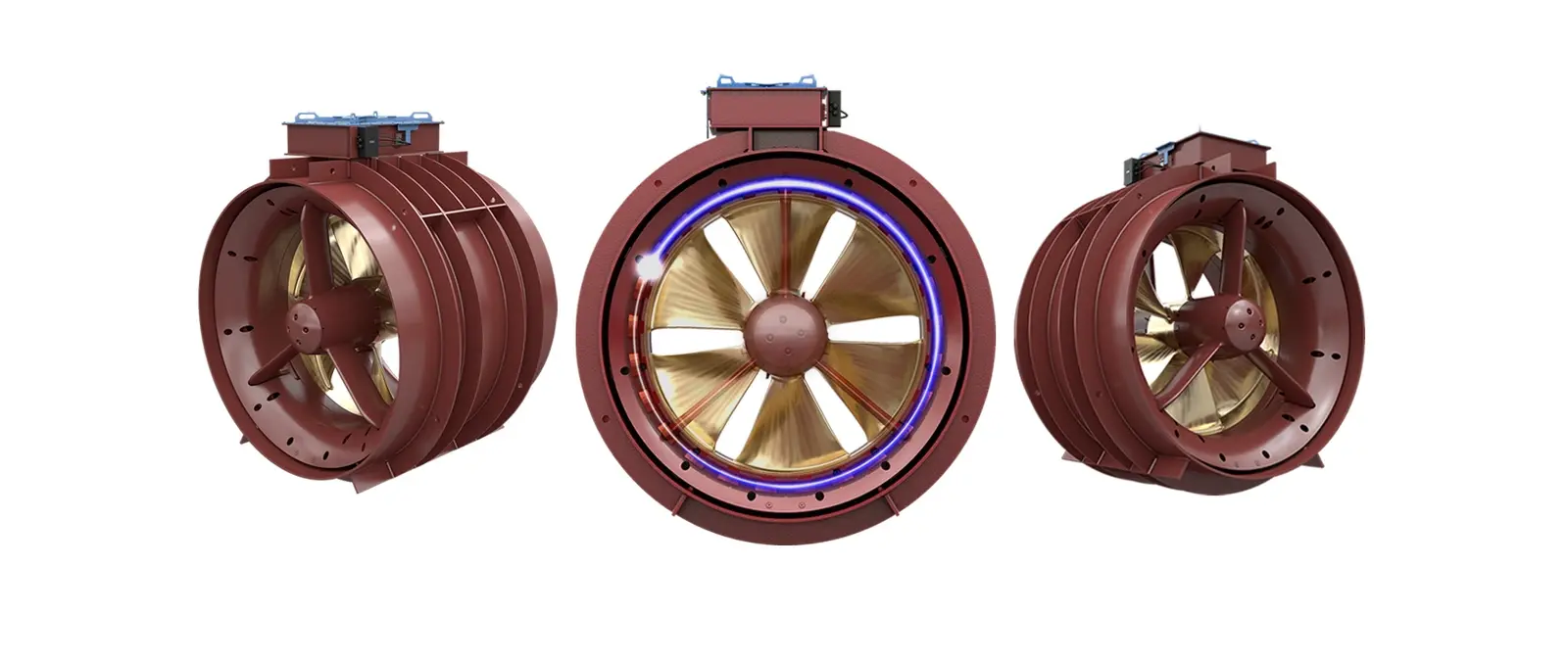
Kongsberg Maritime has expanded its rim-drive tunnel-thruster range with 2.1MW and 2.7MW models, extending the technology to larger, higher-powered vessels.
Kongsberg Maritime has expanded its rim-drive tunnel-thruster range with two larger models capable of delivering up to 2.7MW, extending a propulsion technology known for low underwater noise and reduced mechanical complexity into substantially higher-power applications. Announced on 26 August 2026, the new RD-TT 2300 and RD-TT 2600 use propeller diameters of 2.3 metres and 2.6 metres respectively and are rated at 2,100kW and 2,700kW.
The new models extend the upper end of Kongsberg’s established Rim-Drive platform, allowing the technology to be specified for larger vessels that require greater thrust and enhanced station-keeping capability. Kongsberg says the development was driven primarily by offshore-sector demand, but the engineering characteristics behind it also have relevance to future large-yacht propulsion and manoeuvring systems.
The fundamental difference between Kongsberg’s Rim-Drive design and a conventional tunnel thruster is the location of the electric motor. Rather than relying on a vertical drive shaft and gearbox to transfer power to the propeller, a permanent-magnet motor is integrated directly into the propeller rim.
Removing the gearbox and drive shaft reduces the number of mechanical components in the system while allowing power to be delivered directly to the propeller. Kongsberg identifies efficiency, reduced maintenance requirements and exceptionally low underwater radiated noise among the established advantages of the arrangement.
Kongsberg developed the RD-TT 2300 and RD-TT 2600 primarily in response to demand from the offshore industry, where dynamic-positioning operations can require vessels to maintain position accurately while exposed to wind, waves and current. The company identifies offshore construction, subsea work, renewable energy and other complex marine operations among the applications driving demand for larger units.
Kongsberg does not claim that the new models have been developed specifically for superyachts, and no yacht installation has been announced. Even so, low acoustic output, reduced vibration, compact machinery arrangements and precise low-speed manoeuvring are all relevant design considerations aboard large yachts, particularly where technical spaces sit close to guest accommodation.
Tunnel thrusters may operate for relatively short periods compared with a yacht’s main propulsion system, but their acoustic impact can be significant during docking, manoeuvring and station keeping. Conventional systems introduce noise and vibration through the propeller, gearing, bearings and drivetrain, with those loads ultimately transmitted into the hull structure.
Kongsberg’s rim-drive architecture removes some of that machinery from the propulsion chain, making the potential attraction to yacht designers broader than simple thrust output. As yachts become more electrically intensive and owners expect technical machinery to become less perceptible from guest areas, systems that combine high manoeuvring power with lower mechanical and acoustic complexity become increasingly relevant.
The launch of the 2.3-metre and 2.6-metre models moves Kongsberg’s Rim-Drive concept into a higher power class while preserving the direct-electric architecture on which the system is based. Kongsberg says the new units will be available for offshore, passenger, research and specialist-vessel projects, extending the technology beyond its previous upper range.
For the superyacht industry, the important development is therefore not that Kongsberg has announced a dedicated yacht thruster, because it has not. The significance is that a propulsion architecture combining direct electric drive, reduced mechanical complexity and low underwater radiated noise is now available at substantially higher power, giving designers of future large yachts another technology to evaluate as hybrid and integrated-electric systems continue to evolve.
Explore
Go deeper into the yachts, companies, events and destinations directly connected to this article.
Continue reading

Kongsberg Maritime has introduced the Azipull 70, the smallest Azipull thruster it has developed, specifically targeting yachts and yacht-support vessels.
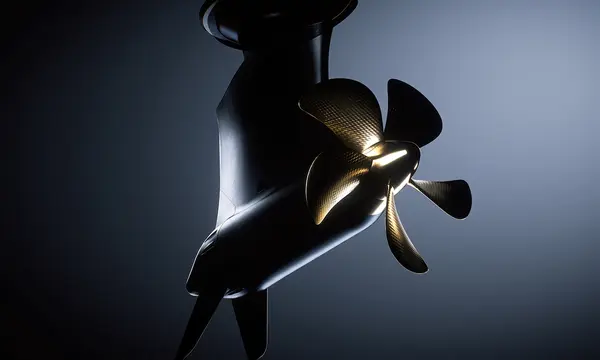
Kongsberg Maritime is extending its Elegance Pod electric propulsion family with five larger sizes delivering up to 22 MW for high-power vessel applications.
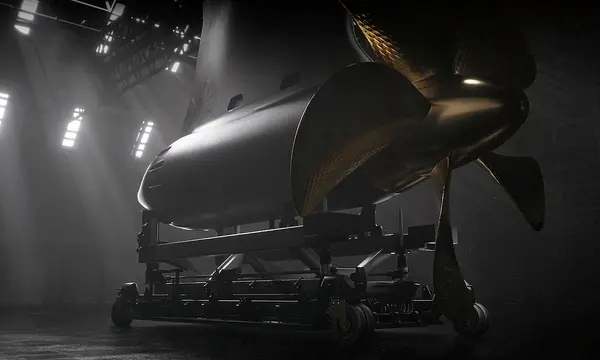
Kongsberg Maritime is building dedicated superyacht sales and service teams, citing installations aboard at least 250 new-build yachts over 70 metres since 2000.
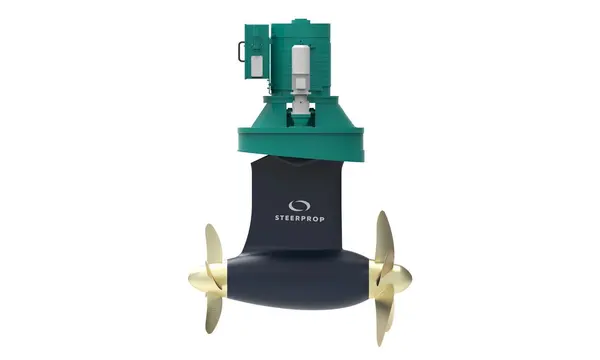
Kongsberg Maritime has agreed to acquire Finnish propulsion specialist Steerprop, days after Steerprop announced its first yacht propulsion project.
Superyacht Guide
Continue into the wider Superyacht Guide.
Business opportunities · Superyacht Guide
Companies serving the superyacht market can discuss clearly identified advertising, sponsorship and business-profile opportunities. Commercial activity remains separate from independent editorial coverage.