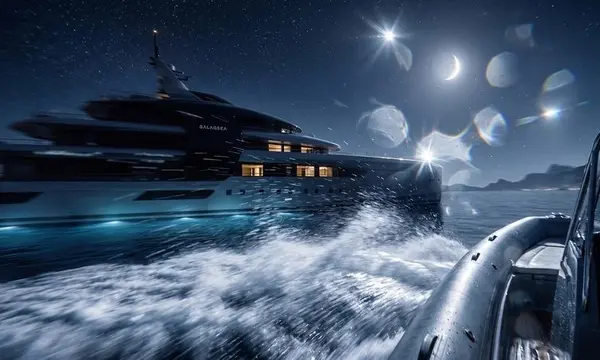
Sturge & Toth Plans 95m Galaqsea With Glass Atrium and Light Beam
Sturge & Toth’s 95m Galaqsea design uses a glass-belt atrium and vertical light beam with engineering input from Lateral Naval Architects; no build contract …
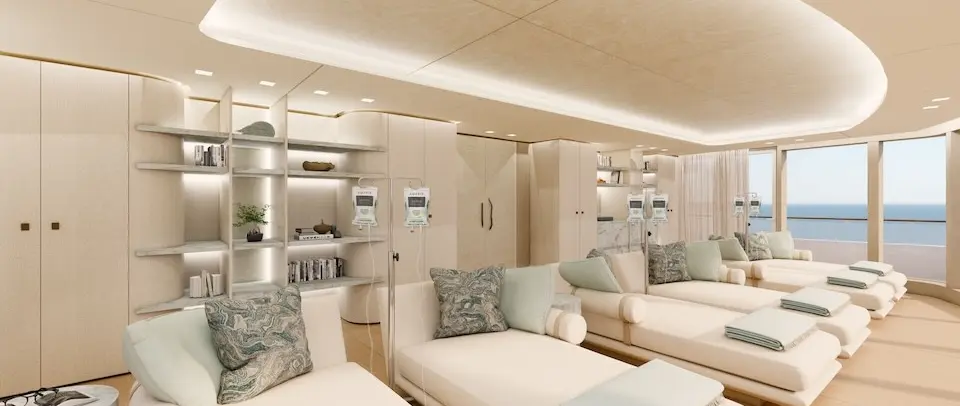
KRD Studio’s 76-metre Amaris concept brings longevity principles into the general arrangement of a large yacht rather than limiting wellbeing to a separate spa.
KRD Studio has presented Amaris, a 76-metre superyacht concept that treats long-term wellbeing as a design principle from the outset. The September 2026 project was developed by the Hamburg practice formerly known as Katharina Raczek Design, with exterior work by Christian Leyk of coquine![design].
Instead of adding a spa and gym to an otherwise conventional plan, the team asks how sleep, nutrition, movement, social relationships and recovery might influence the entire yacht. Amaris is a concept without a named shipyard or announced delivery date, not a completed vessel or a clinically verified health programme.
The concept proposes spaces and daily routines that support physical and emotional comfort during extended periods aboard. KRD Studio is particularly interested in natural light, air and opportunities to engage with the water and horizon, rather than treating the interior as a series of sealed luxury rooms.
This is a design philosophy, not evidence that a particular arrangement will extend a guest's lifespan. Any individual health claims would require appropriate medical evidence and should not be inferred from attractive renderings or the word longevity.
Superyacht accommodation can feel exceptionally comfortable at rest, but machinery vibration, moving water, anchor operations and late-night service affect sleep. A longevity-informed design might therefore examine cabin positioning, acoustic separation and lighting controls alongside mattress and furnishing choices.
Engineering decisions still need to reflect evacuation, watertight integrity and crew circulation requirements. A quiet guest room that creates unsafe service access would not serve the broader objective of a sustainable, comfortable voyage.
Large yachts provide opportunities for swimming, exercise and physical activity, yet a dedicated gym is only one way to encourage movement. Circulation routes, exterior deck access and activity areas can make daily exercise more inviting when guests are living on board for weeks.
KRD's emphasis on fluidity between indoor and outdoor spaces reflects this approach. How much any facility is used will depend on the individual guest, the weather, yacht motion and the operating programme rather than the design intent alone.
Food and dining arrangements form another part of the longevity brief. A well-equipped galley, enough storage for fresh ingredients and comfortable dining choices can help the chef and crew support different preferences during long passages.
Social spaces can also influence wellbeing by encouraging conversation while preserving options for privacy. A yacht that works for several generations needs a range of settings rather than expecting every member of a group to spend all day in one formal lounge.
KRD Studio is led by Katharina Raczek, whose work focuses on the relationship between interior architecture and life aboard. Christian Leyk of coquine![design] provides an exterior response, with a relatively calm profile and extensive outdoor areas rather than aggressively angular superstructure forms.
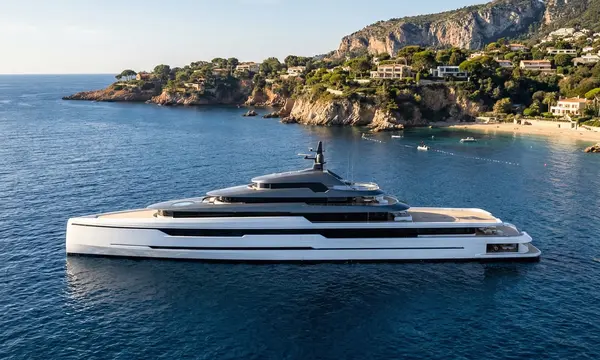
Those visuals communicate an integrated design direction but do not confirm the machinery package, gross tonnage, range or final classification status. A commercial project would require a full naval architecture and engineering programme before construction could begin.
A yacht planned around sleep, air quality, recovery and daily movement may provide a more thoughtful environment than one where leisure facilities are treated as marketing checkboxes. However, physical spaces alone do not guarantee a healthy schedule, a supportive crew culture or evidence-based medical services.
Captains and managers would still need sensible maintenance and operating procedures, adequate staffing and appropriate privacy protections for any personal health information. The eventual owner would also have to select which design ideas fit their travel and lifestyle priorities.
The concept was examined in Top Yacht Design's September 27 report and in industry design coverage following its original presentation. The accompanying rendering is credited to the Amaris designers rather than generated for this article.
Amaris illustrates a growing idea in high-end yacht design: comfort and long-term life aboard may need to be considered together from the first sketch. The next meaningful milestone would be an owner-backed development or confirmed shipyard engagement.
Continue reading
Sturge & Toth’s 95m Galaqsea design uses a glass-belt atrium and vertical light beam with engineering input from Lateral Naval Architects; no build contract …
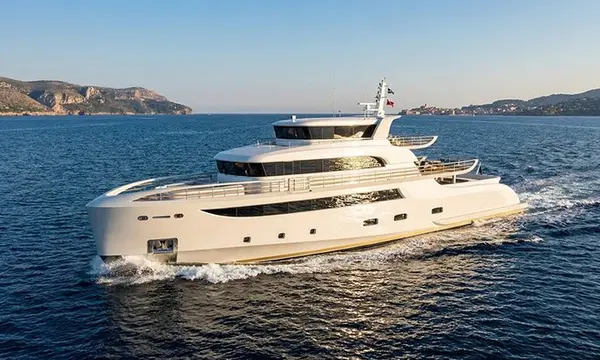
ER Yacht Design has revealed a 46.6-metre, five-deck explorer concept shaped around a private owners deck and a softer profile, with a target volume …
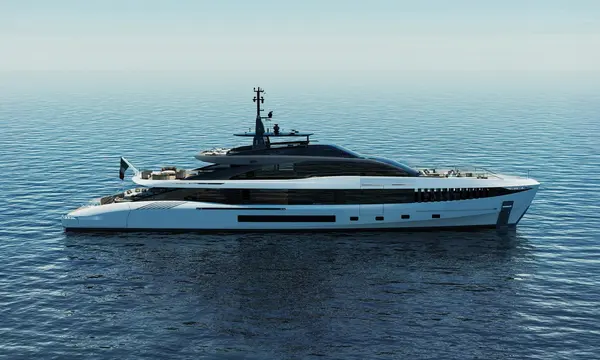
A closer design profile of Mangusta GranSport 50 examines its raised pilothouse, half-deck strategy and long-range 50-metre sports-yacht proposition.
The 100m INVISION study from Focus Yacht Design explores an expedition yacht with a glass-fronted waterline lounge, aviation facilities and undersea exploration.
Superyacht Guide
Continue into the wider Superyacht Guide.
Business opportunities · Superyacht Guide
Companies serving the superyacht market can discuss clearly identified advertising, sponsorship and business-profile opportunities. Commercial activity remains separate from independent editorial coverage.