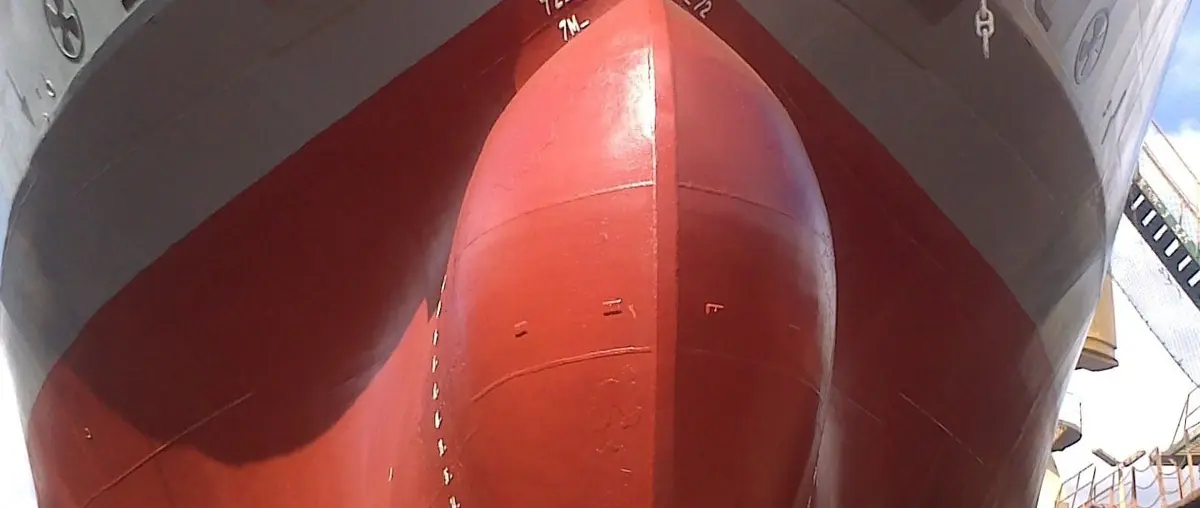
Lloyd’s Register Issues Retrofit Guidance with Lessons for Superyacht Refits
By Stephen Yardley · Edited by Stephen Yardley
Image: Lloyd’s Register
Lloyd’s Register’s new guidance frames alternative fuels and energy-saving upgrades as integrated safety, design and crew-training decisions, with lessons for large yacht refits.
Lloyd’s Register has released Guidance Notes for Retrofit of Alternative Fuels and Energy Saving Devices, a framework intended to help owners manage the engineering and safety decisions behind changing an existing vessel’s propulsion or efficiency equipment. Announced on 15 October 2026, the material addresses technologies ranging from alternative-fuel conversions to wind-assistance and air lubrication. It is a shipping-wide publication, not a claim that any particular superyacht has booked such a conversion. Its value to the large-yacht sector lies in the ordering of decisions: feasibility, space, integration, approvals and crew readiness must be considered together, well before a yard slot is committed.
An established superyacht is not a container ship in miniature. Guest accommodation, tender garages, machinery access, stabilisation equipment and the expectation of quiet operation impose their own restrictions on a refit. Yet the common engineering problem is unmistakable. An apparently attractive energy solution can affect fuel storage, ventilation, fire protection, escape arrangements and the practical ability to maintain systems in service. Owners weighing significant environmental upgrades therefore have reason to read this release as a structured set of questions for their naval architect, technical manager and chosen shipyard, rather than as a simple catalogue of equipment.
The guidance covers LNG, LPG, methanol, ethanol, ammonia and hydrogen as potential conversion pathways, while recognising that each has different arrangements and hazards. A retrofit team first needs to establish what the existing engine and associated equipment can genuinely support. It must then examine where new tanks, pipework, monitoring, isolation systems and supporting machinery might fit, and whether the design can be approved for the vessel’s intended operation. Storage volume is not merely an engineering number: it can compete with spaces already allocated to service machinery, stores or guest facilities. None of these fuels should be treated as universally suitable for yachts.
Early design assessments should include weight distribution, access routes and operational range alongside emissions ambitions. Moving machinery or adding protective separation may have secondary consequences for structure, vibration, stability and maintenance. The cost of a conversion cannot be judged from an engine quotation alone, because installation, approvals, testing and lost operating time also matter. Lloyd’s Register explicitly stresses early decisions on engine conversion capability, available onboard space, tank location and system integration. For a yacht owner, the commercial implication is to commission a feasibility study with enough detail to reject an unsuitable idea before a major contract is signed.
Alternative fuels are only one side of the document. Lloyd’s Register also addresses wind-assisted propulsion systems and air lubrication systems, which seek to reduce the energy required to move a vessel through the water. These technologies can be appropriate in particular ship designs, routes and operating profiles, but their performance cannot be assumed from a generic percentage claim. A vessel that operates at different speeds, in different weather and with limited deck real estate requires an assessment built around its actual use. A yacht’s aesthetic requirements, helicopter or tender operations and passage schedule may change the installation case further.
The guidance’s combined treatment of fuel systems and energy-saving devices is useful because design choices interact. A measure that lowers required propulsive power could influence the size, configuration or operating pattern of other equipment, while a poorly integrated installation can introduce maintenance demands or unintended effects. For large yachts, the sensible first step may be to examine hull and propeller condition, electrical loads, hotel services and operational data before selecting an ambitious propulsion conversion. That is an editorial inference from the framework, not a Lloyd’s Register promise of savings for any named yacht or class of vessel.
A conversion programme touches more parties than the owner and the equipment supplier. Lloyd’s Register calls for early cooperation among owners, shipyards, original-equipment manufacturers, flag administrations and classification societies. The goal is to expose design conflicts before they become cost overruns during construction. Yacht technical managers should therefore establish who owns each approval drawing, which systems are affected and what evidence will be required at commissioning. The guidance addresses the lifecycle from feasibility and project management through design approval, construction, sea trials, certification and operation after delivery.
The risk is especially pronounced when newer technology is installed within a vessel conceived for a different fuel or service pattern. Lloyd’s Register describes risk-based assessment and alternative-design approval as part of its approach to novel systems. Such work is not an optional paperwork exercise. It determines whether the proposed arrangement can demonstrate an acceptable level of safety and whether operators will be able to use the equipment as intended. Owners should expect design iterations and allowances for survey, testing and rectification. A realistic yard programme puts those milestones on the critical path rather than placing them after a promised redelivery date.
A retrofit succeeds only if the people on board can operate and maintain what is installed. Lloyd’s Register’s release identifies crew training, revised procedures, safety-management updates and risk assessments as essential components, especially with fuels that introduce unfamiliar hazards. The International Maritime Organization has independently been developing training guidance for crews working with alternative fuels and technologies. It issued generic interim guidance in September 2025 and published fuel-specific interim material for methyl or ethyl alcohol and ammonia in July 2026. That separate regulatory work reinforces the human-factor argument without implying every commercial-ship requirement automatically applies to every privately operated yacht.
For yacht management teams, this means training needs to be designed alongside the engineering package. Emergency drills, maintenance responsibilities, handover documentation and the availability of qualified replacement crew will influence whether the system can remain safely in service across seasons. A change to the energy plant may also change tasks for deck and hotel teams, even when their work is not directly connected to propulsion. Operators should seek specific guidance from flag and class on what applies to the individual yacht, its certification and its trading pattern. It would be misleading to describe a single universal training standard for all yacht conversions.
A useful owner’s briefing should separate proven technical feasibility from expected performance and from future regulatory assumptions. The engineering team can set out the current vessel baseline, the proposed change, the equipment and space affected, approval dependencies, yard work packages and a range of plausible operating outcomes. It should identify unanswered questions rather than hiding them beneath a confident payback estimate. For any energy-saving device, independent verification of expected results under the yacht’s operating profile is preferable to borrowing performance figures from a very different vessel.
The new Lloyd’s Register framework does not turn a complex conversion into a routine purchase. It provides a reason to structure the decision more carefully. Where the technical and economic case remains uncertain, phased efficiency work or a design prepared for later change may be more defensible than an immediate full conversion. Where the case is strong, early alignment between owner, naval architect, class, flag, crew and yard can reduce the likelihood of expensive discoveries once the yacht is opened up. The central news is a move toward joined-up retrofit planning, and the superyacht industry has a clear reason to examine that discipline in its own refit market.
Explore
Go deeper into the yachts, companies, events and destinations directly connected to this article.
Continue reading

Triton Submarines provided engineering and integration assistance for DEEP's Vanguard human habitat, installed 17 metres underwater at Tennessee Reef in the Florida Keys.
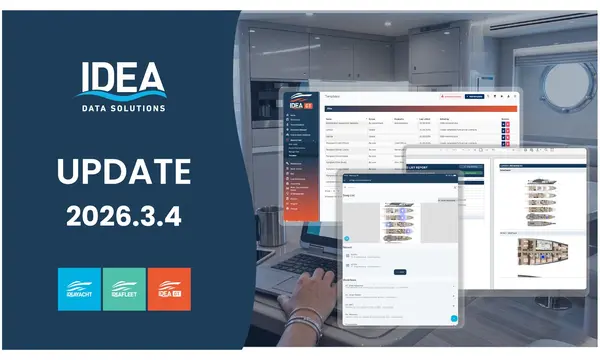
IDEA Data Solutions release 2026.3.4 introduces structured purchase and work-order wizards, crew Hours of Rest improvements and tablet-friendly yacht management software.
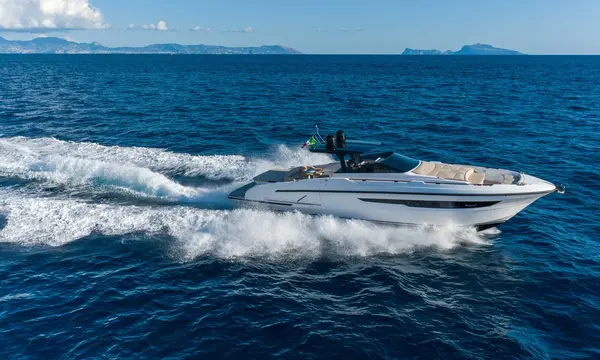
Bosch Engineering introduces its integrated 160hp EDM electric inboard to North American boatbuilders at IBEX, with motor, gearbox, inverter, cooling and charger assembled as …
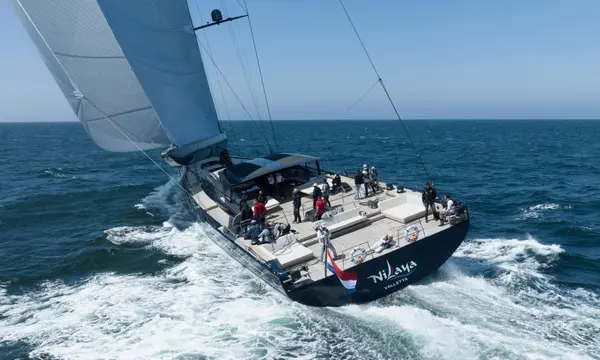
Royal Huisman has detailed the lightweight construction and engineering methods behind 47-metre performance cruiser Nilaya.
Superyacht Guide
Continue into the wider Superyacht Guide.
Business opportunities · Superyacht Guide
Companies serving the superyacht market can discuss clearly identified advertising, sponsorship and business-profile opportunities. Commercial activity remains separate from independent editorial coverage.