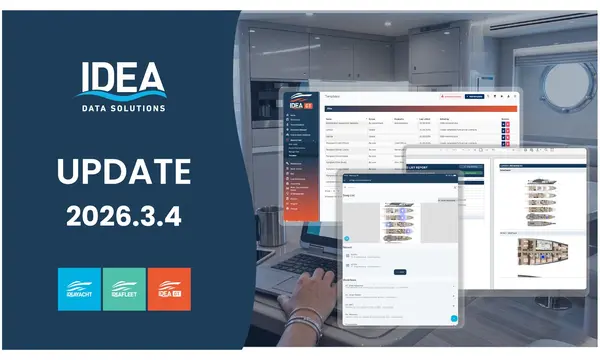
IDEA Yacht Software Adds Guided Purchasing and Crew Rest Tools
IDEA Data Solutions release 2026.3.4 introduces structured purchase and work-order wizards, crew Hours of Rest improvements and tablet-friendly yacht management software.
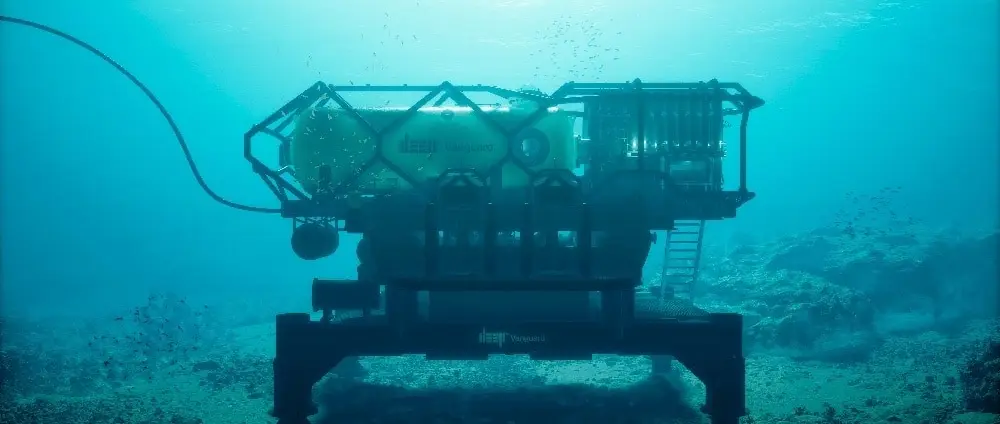
Triton Submarines provided engineering and integration assistance for DEEP's Vanguard human habitat, installed 17 metres underwater at Tennessee Reef in the Florida Keys.
Submersible builder Triton Submarines has detailed its engineering contribution to Vanguard, a pilot human underwater habitat installed by ocean-technology company DEEP at Tennessee Reef in the Florida Keys. DEEP reported the installation on 30 June 2026, and Triton followed with its account on 7 July. The habitat is positioned about 17 metres below the surface in the Florida Keys National Marine Sanctuary, where it is intended to support scientific teams working for extended periods underwater.
Unlike a small submarine that departs a yacht for an excursion and returns after a few hours, Vanguard is intended as a stationary working environment. Its proposed occupants will live and carry out work underwater for multi-day periods once commissioning, testing and operational training are complete. That difference shifts much of the engineering challenge from propulsion and navigation to life support, habitability, safe access, monitoring and the reliability of every interface between the habitat and its external support systems.
Triton says the Vanguard project spent nine months at its United States facility, where engineers worked with DEEP's team on assembly and critical technical tasks. The publicly identified areas include electrical-system integration within the habitat, pressure testing of viewports, sourcing essential components and coordinating associated systems. Those activities are less visually dramatic than lowering the structure onto the seabed, but they influence whether the finished installation can be commissioned and operated safely.
Pressure-resistant transparent structures are an obvious focus because they must maintain integrity while providing occupants a view of the underwater environment. Electrical installations must likewise be planned for dependable operation, fault identification and maintenance within a controlled space. Triton's contribution illustrates how technology developed in crewed submersibles can have relevance to more permanent ocean infrastructure without implying that Triton built every part of Vanguard.
DEEP describes the pilot habitat as a platform for crews of up to four aquanauts during research and training missions. Planned subjects include coral-reef recovery, long-term environmental monitoring, the effects of climate change and human performance in unusual working conditions. Being based underwater may allow researchers to spend more time observing sites directly rather than repeatedly travelling down and back from a surface vessel.
That scientific promise should be separated from completed results. The company announced the physical installation and the next commissioning phase; it did not announce that long-duration research missions had already produced the stated outcomes. The distinction matters because installation, approval, crew readiness and an established programme of safe operations are separate milestones.
Even a permanent underwater habitat remains part of a larger marine operation. Surface teams must manage communications, emergency response, provisioning and the movement of people and materials, while monitoring conditions that may change rapidly around the installation. The habitat itself cannot be assessed as a self-contained laboratory divorced from vessels, shore equipment and trained personnel.
For expedition-yacht owners interested in ocean science, this is the area of potential collaboration: a capable support vessel may assist marine research through crew accommodation, tender operations, logistics or scientific equipment handling. Vanguard has not been presented as a product for installation aboard a superyacht, however, and it would be misleading to imply that its subsea operating model can be fitted to a guest yacht without a fundamentally different design.
Triton is known in the superyacht industry for crewed underwater vehicles that allow owners and expedition guests to explore beyond the surface. Its relationship with research organisations, scientists and specialist marine operators broadens the practical experience behind such products. Work on viewport pressure testing, electrical systems and life-support interfaces can inform engineering practice across other underwater projects, even when the vessels and missions differ.
The company also has to demonstrate the commercial value of specialist technical expertise away from highly visible yacht deliveries. Engineering support contracts are not necessarily evidence of a new submersible sale, but they can showcase a team's competence in disciplines where testing, documentation and reliability are vital.
Extended underwater work also raises human-factors questions that differ from those of a brief recreational dive. A support operation must allow for routine health monitoring, dependable communication between occupants and surface teams, appropriate emergency plans and realistic training. The public project announcements identify the broad operating ambition, but they do not publish a complete approved operational manual. Readers should not treat a successful installation as evidence that every proposed mission profile has been authorised or tested.
DEEP described Vanguard's deployment as an important United States underwater-habitat milestone. As of the installation announcement, the next work was commissioning and validating the system before planned multi-day missions. The operation therefore offers a useful example of the difference between installing an ambitious marine structure and establishing a dependable, repeatable working environment.
For superyacht technology readers, the lasting story is not simply the depth of the installation. It is the way specialist suppliers, researchers and marine operators combine disciplines that are normally separated between vessels, laboratories and shipyards. Continued reporting should track trained-crew operations and published scientific results rather than count the intended research programme as already accomplished.
Continue reading
IDEA Data Solutions release 2026.3.4 introduces structured purchase and work-order wizards, crew Hours of Rest improvements and tablet-friendly yacht management software.
Bosch Engineering introduces its integrated 160hp EDM electric inboard to North American boatbuilders at IBEX, with motor, gearbox, inverter, cooling and charger assembled as …
Royal Huisman has detailed the lightweight construction and engineering methods behind 47-metre performance cruiser Nilaya.
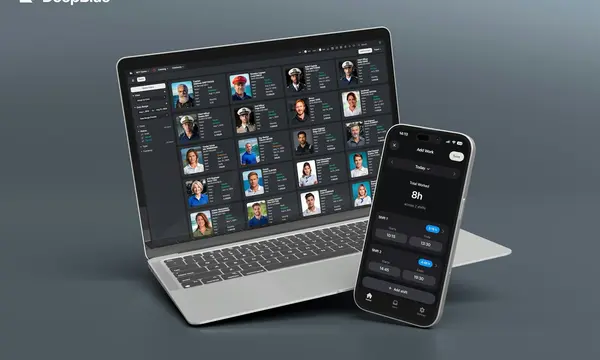
DeepBlue has overhauled its Crewing Package so contracts, crew planning, payroll, timesheets and Hours of Rest work from a connected crew record.
Superyacht Guide
Continue into the wider Superyacht Guide.
Business opportunities · Superyacht Guide
Companies serving the superyacht market can discuss clearly identified advertising, sponsorship and business-profile opportunities. Commercial activity remains separate from independent editorial coverage.