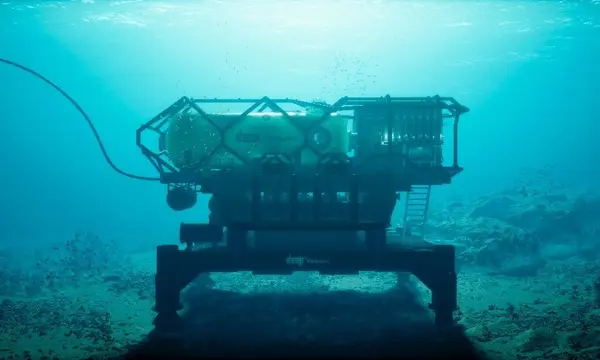
Triton Reveals Nine-Month Engineering Role in DEEP's Underwater Habitat
Triton Submarines provided engineering and integration assistance for DEEP's Vanguard human habitat, installed 17 metres underwater at Tennessee Reef in the Florida Keys.

MAIT Tech is preparing to present vessel machinery monitoring and long-term condition analysis to superyacht engineers, combining engine data, generator trends and configurable diagnostics.
Superyachts produce a continuous stream of machinery information, yet the data needed to explain an intermittent problem is not always preserved in a form an engineer can compare over time. MAIT Tech is addressing that gap with the Modular Analytics and Intelligence Toolkit, a platform designed to collect information from generators, main engines and other vessel systems. The company has been confirmed among the exhibitors in METSTRADE's Superyacht Startups Area, scheduled for Hall 8 in Amsterdam from 17 to 19 November 2026.
The underlying issue is familiar in large-yacht engineering. An engine may operate without a persistent alarm while showing a gradual rise in temperature or fuel demand, and the warning signs may be difficult to recognise during a short watch. When several people rotate through the department, the ability to compare measurements from different dates can be more useful than another dashboard showing only current readings.
MAIT describes interfaces for gathering operational data through Modbus, CAN and other industrial communications standards. The intent is to create a consistent historical record from machinery that may have been supplied by different manufacturers at different points in the yacht's life. Its public documentation discusses statistical analysis, graphical trend displays, alerts and AI-assisted interpretation of that information.
Making the various systems work together is seldom a simple cable connection. Signals may use different units, device identifiers or update frequencies, and an engine-control parameter cannot be understood properly without knowing its operating context. Any installation therefore needs a trustworthy mapping of data channels to physical equipment, plus clear definitions of when values are normal and when they require investigation.
A useful example is a generator whose exhaust temperature gradually changes under similar loads. A single temperature reading might remain within the manufacturer's allowable band, while a comparison of several months of operation could show a developing trend. The engineer would still need to rule out changes in ambient conditions, electrical demand and sensor calibration before deciding that the pattern indicates a maintenance problem.
Long-term fuel data may also help explain differences between passages or identify periods of inefficient equipment operation. However, meaningful fuel comparisons require reliable measurements, not estimates built from unrelated gauges. The manufacturer describes analysis tools that could support this sort of work; a specific vessel's actual results will depend on which sensors and control systems can supply usable data.
The phrase predictive maintenance can suggest that software will announce a failure before it happens. In practice, useful predictions depend on the quality of historical data, the existence of meaningful fault patterns and the ability to distinguish changing operating conditions from actual deterioration. An inexperienced analysis model could misinterpret the normal behaviour of a variable-speed generator as an abnormal condition.
MAIT proposes a mixture of conventional statistical techniques and AI-based tools. In a well-managed technical department, those outputs should prompt inspection and engineering judgment rather than automatically authorise maintenance or generate expensive parts orders. The best systems make their reasoning understandable enough for a chief engineer to determine whether an alert is supported by the underlying measurements.
Shipyards, yacht managers and specialist contractors are among the audiences identified by MAIT. Historical operating information can help a refit yard understand how a machine behaved before the yacht entered the shed, particularly when crew report an intermittent fault that cannot be reproduced during a short dockside test. It may also help an owner's representative compare reported defects with the operator's actual equipment use.
Data continuity brings its own questions. Someone must decide who retains the records, how access is controlled, how records are protected against loss and how software changes are documented. A vessel's operational data can reveal schedules, equipment condition and sensitive technical details, so remote access and the movement of information between ship, yard and management office need explicit safeguards.
MAIT's official site presents the architecture and possible use cases but does not publish a verified fleet-wide failure-reduction percentage or independently audited savings figure. Its appearance at METSTRADE therefore offers an opportunity to inspect the software rather than a reason to assume universal compatibility. Captains and engineers can ask which engine-control modules have been tested, how missing sensor data is handled and whether the product works reliably when offshore connectivity is poor.
Practical commissioning questions include data retention, alarm configuration, cybersecurity controls, installation time and the level of support available after delivery. The strongest demonstration would involve a representative yacht equipment dataset with known fault events, clear source measurements and transparent explanations of how the platform reaches its conclusions.
The expansion of digital diagnostics does not eliminate the need for mechanical knowledge. It changes the emphasis from simply responding to audible alarms toward recognising developing patterns, investigating the reasons behind them and preserving the evidence for the next engineer. More connected equipment can reduce uncertainty, but only if the technical team trusts the records and understands the limits of the tools.
MAIT's selection for the Superyacht Startups Area reflects interest in data-driven operations at the point where yachts, owners and yards meet. Its promise is a more coherent view of machinery health, not a guaranteed elimination of breakdowns. The practical story will develop through documented installations and measurable results after the platform has been evaluated aboard working yachts.
Continue reading
Triton Submarines provided engineering and integration assistance for DEEP's Vanguard human habitat, installed 17 metres underwater at Tennessee Reef in the Florida Keys.
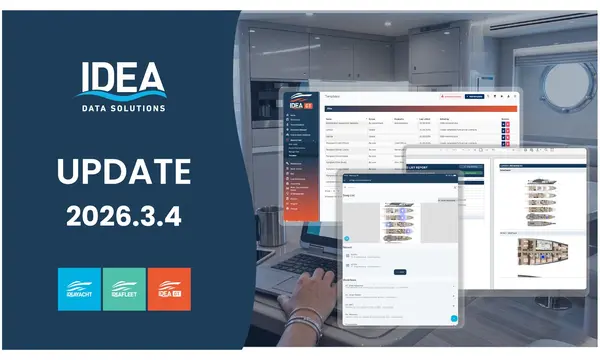
IDEA Data Solutions release 2026.3.4 introduces structured purchase and work-order wizards, crew Hours of Rest improvements and tablet-friendly yacht management software.
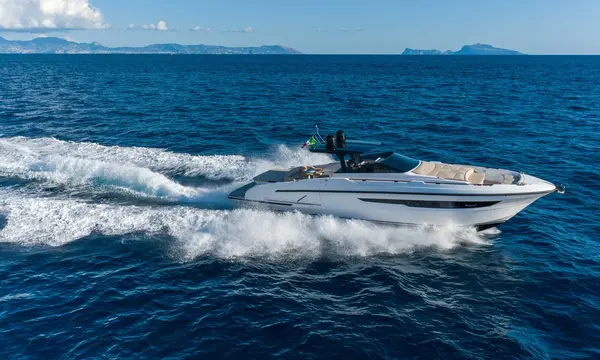
Bosch Engineering introduces its integrated 160hp EDM electric inboard to North American boatbuilders at IBEX, with motor, gearbox, inverter, cooling and charger assembled as …
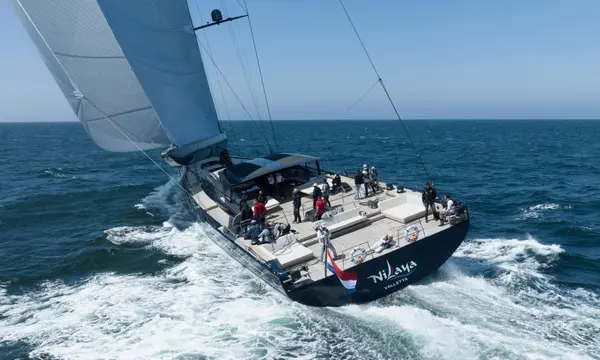
Royal Huisman has detailed the lightweight construction and engineering methods behind 47-metre performance cruiser Nilaya.
Superyacht Guide
Continue into the wider Superyacht Guide.
Business opportunities · Superyacht Guide
Companies serving the superyacht market can discuss clearly identified advertising, sponsorship and business-profile opportunities. Commercial activity remains separate from independent editorial coverage.