
MarQuip main-engine exhaust retrofit official METSTRADE 2026 exhibitor publicity image
MarQuip details a tightly constrained charter yacht exhaust replacement and a refit pipeline spanning yachts from 55 to 200 metres, with SCR and DPF projects.
MarQuip has disclosed details of a recent main-engine exhaust replacement on an established charter yacht, using its 15 November 2026 METSTRADE exhibitor announcement to describe the constraints of the project and its wider refit workload. The Dutch marine exhaust specialist says the previous installation, which it had not originally supplied, no longer satisfied the requirements of the engines and had created persistent problems for the chief engineer. Its task was to develop an integrated replacement capable of meeting the relevant engine requirements while remaining within the space already available. The yacht was committed to its charter season, making the completion of the engineering work particularly time-sensitive. MarQuip has not identified the vessel, its engine manufacturer or the yard where the work took place. The disclosure is therefore a technical case study rather than a vessel-specific project announcement. It nevertheless illustrates the difficulty of replacing substantial machinery systems without the freedom available to designers of a new build.
An exhaust installation is not simply a collection of pipes that transports combustion products away from a machinery space. Its characteristics can influence the conditions under which the engine operates. Among the relevant considerations are exhaust gas pressure, temperature, flow characteristics and the resistance introduced by the various components through which gas passes. An engine manufacturer may specify allowable conditions for the complete arrangement, and an engineering team needs to establish these before selecting replacement components. Changes to one element can affect the behaviour of others. For example, a restriction introduced downstream may influence pressure closer to the engine. The significance of such a change depends on the actual machinery, loading and operating conditions, so the correct parameters must come from the relevant technical documentation. MarQuip has not released measured values from the yacht or identified the precise nature of the previous installation's deficiencies. It would be inappropriate to attribute a particular failure mechanism to the unnamed vessel without the supporting engineering records.
A retrofit differs from a new installation because the available routes through a vessel are constrained by equipment and structures that may need to remain in place. Pipe diameters, bend radii and component dimensions must be reconciled with access, thermal clearances, structural supports and the location of openings. The difficulty is not necessarily greatest where the completed system occupies the largest volume. An assembly may fit satisfactorily in its intended position yet be impossible to manoeuvre through the access route during installation. A project engineer must therefore distinguish between the space required for the finished system and the space required to bring each constituent part aboard. Maintenance access after installation is another consideration. A technically acceptable arrangement that prevents future removal of a serviceable component can create costs over the remaining life of the yacht. MarQuip's description identifies the existing footprint as a central constraint, but does not disclose the internal geometry or how the replacement components were divided for transport and assembly.
Large exhaust installations are subject to changes in temperature as the engines move between operating conditions. Materials expand and contract in response to these changes, and the associated movements must be accommodated in an appropriate manner. The arrangement of structural supports, flexible connections and fixed points can affect the loads transmitted to engines and adjacent equipment. The appropriate engineering solution depends on the installation as a whole rather than on the selection of a flexible connection considered individually. Existing supports and penetrations may be suitable for continued use, or they may require modification if the replacement has a different geometry or distribution of weight. The project team must assess their condition and ability to carry the revised loads. A yacht undergoing refit may also contain materials or earlier alterations that are not adequately represented in the available drawings. Physical measurements and inspection can therefore be important before the final replacement configuration is released for manufacture. None of these general engineering considerations establishes a particular design feature of the unnamed project.
MarQuip describes its role as that of a system integrator, covering the initial assessment, engineering, implementation and subsequent support. That distinction is particularly relevant when the problem arises from relationships between components rather than a single defective item. The chief engineer may already possess considerable information about what happens when the vessel operates at different engine loads, including patterns of maintenance and circumstances associated with recurrent faults. The equipment manufacturer has a different body of knowledge concerning the permissible operating parameters of its engine. The refit yard contributes information about access, fabrication and the surrounding structure. Bringing those perspectives together can help determine which changes address the underlying engineering problem rather than simply replacing the component most visibly affected. The supplier's account describes the result as an integrated solution but does not provide the commissioning data needed to assess the improvement independently. The value of the case study lies in the importance of establishing a coherent responsibility for the whole system.
The company highlights the pressure generated by a fully booked charter season. For owners, a compressed refit period can create a conflict between the commercial value of a vessel's available days and the time required to carry out engineering work correctly. A substantial exhaust replacement may depend on access created during other maintenance activities, coordinated lifting or fabrication operations and the availability of equipment produced specifically for the project. An unexpected dimensional discrepancy can cause a delay even when the components themselves have already been delivered. A sound work programme should allow for testing and any necessary corrections before the yacht returns to commercial service. These requirements cannot simply be eliminated by assigning a shorter target duration to the refit. The published case study does not specify the length of the yard period or the number of charter days protected by the intervention. Its emphasis is on the requirement to reconcile the reliability of the installation with the commitments already accepted for the vessel.
The November report also gives an indication of the work MarQuip is managing for the next refit season. The company identifies yachts between 55 and 200 metres, with exhaust system diameters between 100 and 900 millimetres. Those are the stated limits of the portfolio discussed in the announcement, not a claim that any individual yacht carries installations spanning that entire range. Their breadth indicates that the engineering challenges are not confined to one size or type of machinery. Some assignments concern targeted silencer improvements, while others involve more comprehensive replacement projects. An apparently limited acoustic improvement may still require consideration of the pressure characteristics and installation conditions of the complete exhaust system. A larger replacement may provide an opportunity to examine the arrangement of several components together. The company does not disclose its order value, the number of vessels involved or a breakdown of the work by yacht size.
Among the wider projects are systems incorporating selective catalytic reduction and diesel particulate filters. These technologies address different aspects of diesel exhaust emissions. Their integration requires attention to the conditions under which the equipment is designed to operate, the maintenance provisions and the interfaces with other systems aboard. The installation of additional exhaust treatment equipment may also change the space available for surrounding machinery or affect the way engineers gain access for routine work. Project teams must establish the applicable emissions and certification requirements for the specific vessel and engine installation, rather than assume a particular device is mandatory or appropriate in every case. The supplier's release identifies SCR and DPF equipment as part of its wider workload; it does not explicitly confirm that both were installed on the charter yacht described in the case study. Maintaining that distinction avoids attributing technical features to an unidentified vessel without sufficient evidence.
A replacement exhaust system should ultimately be evaluated against the requirements established for its particular installation. Depending on the agreed scope, the evidence may include records of inspections, operating measurements, tests and updated drawings reflecting the final arrangement. Documentation can be especially useful to engineers who subsequently inherit responsibility for the yacht. A clear equipment register, service instructions and records of the relevant limits can help them distinguish between normal operating behaviour and an emerging problem. MarQuip's November announcement is a useful indication of the supplier's approach to technically constrained projects and the scale of its upcoming refit work. It does not disclose an independent survey, measured performance gains or a named vessel's operating history after completion. The central development is the company's account of a completed engineered replacement within an existing charter yacht footprint, alongside its continuing work on large yacht exhaust retrofits. For yacht managers preparing future yard periods, the case demonstrates why early definition of system requirements, access and acceptance criteria can matter as much as the specification of the individual replacement components.
Primary source: MarQuip official METSTRADE exhibitor press release, 15 November 2026.
Image: MarQuip, supplied with its official METSTRADE exhibitor media release. Official source.
Image: MarQuip, supplied with its official METSTRADE exhibitor media release.
Explore
Go deeper into the yachts, companies, events and destinations directly connected to this article.
Continue reading
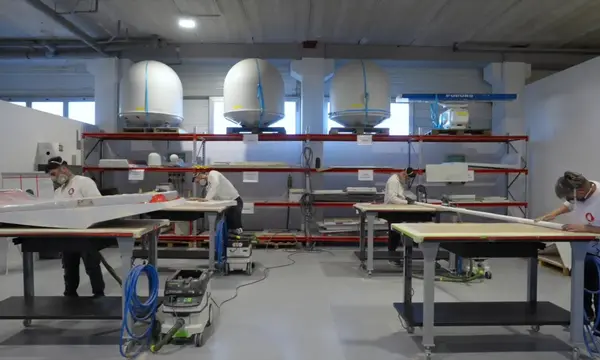
Nautipaints Group adds a workshop and operational base at VMG Sagunto in Valencia, giving its specialist yacht painting, hull, containment and supply teams a …
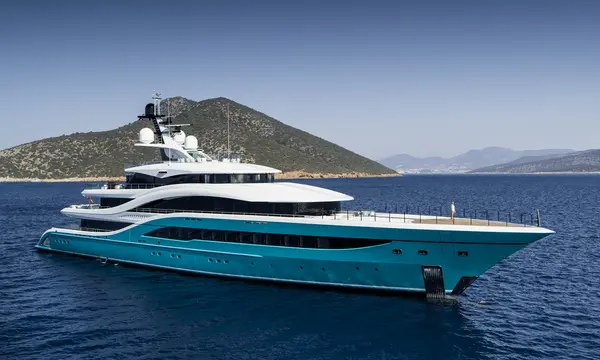
MarQuip has detailed how cracked exhaust components on the 76.75m superyacht GO allowed gases into the engine room before replacement work in Mallorca.

Pendennis has highlighted winter 2025/26 refit capacity at its Falmouth shipyard.
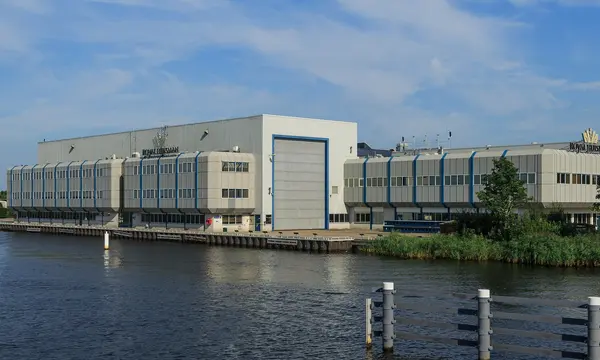
HUISFIT by Royal Huisman is promoting a winter 2026–27 refit opportunity at METSTRADE, with availability and scope subject to direct confirmation with the yard.
Superyacht Guide
Continue into the wider Superyacht Guide.
Business opportunities · Superyacht Guide
Companies serving the superyacht market can discuss clearly identified advertising, sponsorship and business-profile opportunities. Commercial activity remains separate from independent editorial coverage.