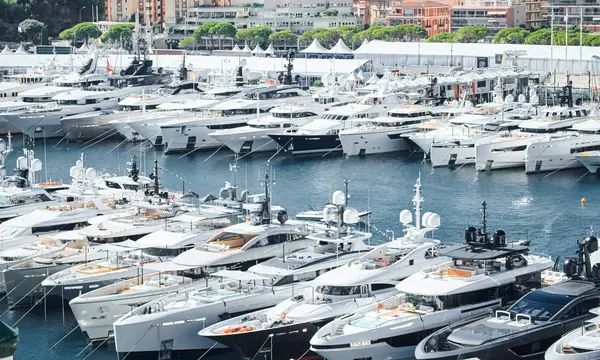
Monaco Yacht Show 2026 Bans Drone Flights from 19–27 September
Monaco Yacht Show 2026 has published a drone prohibition from 19 to 27 September, covering pre-show, event and post-show operations around Port Hercule.
The MCA has updated UK PSSR guidance after new STCW competence on preventing and responding to violence, harassment, bullying and sexual assault entered force.
The UK Maritime and Coastguard Agency has updated its guidance on Personal Safety and Social Responsibilities training, confirming how the 2026 amendments to the STCW Code apply to seafarers. The change matters directly to superyacht crew because PSSR forms part of the basic safety-training framework used across commercial yachting and wider merchant shipping.
The revised guidance reflects IMO Resolution MSC.560(108), which introduced a mandatory competence requiring seafarers to contribute to the prevention of and response to violence and harassment, including sexual harassment, bullying and sexual assault. The international amendment entered into force on 1 January 2026.
The updated competence is not limited to recognising unacceptable behaviour. Seafarers are expected to understand prevention, identification, reporting and appropriate responses, including the responsibilities of individuals and organisations when incidents occur on board.
For yacht operators, this moves the subject firmly into formal safety training rather than treating it only as an internal human-resources issue. Training providers and employers therefore need to ensure that the content delivered to crew reflects the amended STCW table and the MCA's current implementation policy.
The MCA's notice replaces earlier interim guidance and clarifies its current position for seafarers who already hold basic safety training as well as those entering the industry. The exact action required can depend on when training was completed, the certificate held and the individual's route to certification or revalidation.
Superyacht captains, management companies and crew should avoid assuming that an older PSSR course automatically covers the new competence. The practical approach is to check the current MCA notice and the requirements of the relevant flag administration or approved training provider before a renewal, endorsement or new certificate application.
Yachts combine close living quarters, long periods away from home and strong onboard hierarchies. Those conditions make clear reporting routes, professional conduct and effective intervention particularly important, especially when junior crew may live and work alongside senior personnel for extended rotations.
The STCW amendment gives the issue an international training standard and makes prevention and response part of professional competence at sea. Operators should therefore treat the change alongside other mandatory safety-training updates, with records kept in the same disciplined way as medical, fire, survival and security qualifications.
Continue reading
Monaco Yacht Show 2026 has published a drone prohibition from 19 to 27 September, covering pre-show, event and post-show operations around Port Hercule.
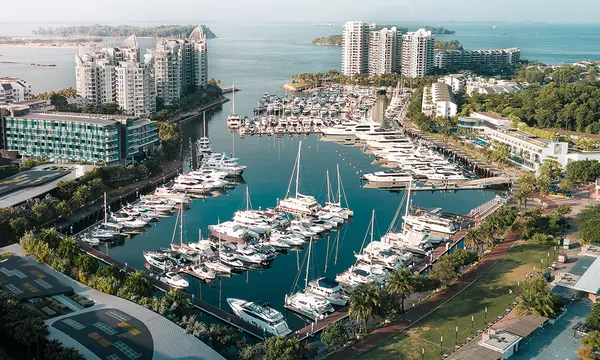
ONE°15 Marina Sentosa Cove now offers round-the-clock Customs, Immigration and Quarantine clearance for pleasure craft and yachts entering or leaving Singapore.
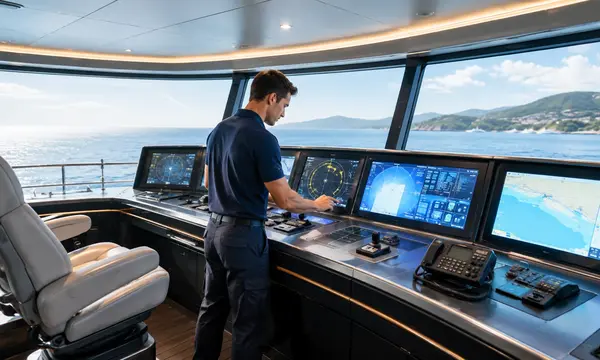
A modern superyacht bridge may contain multiple integrated displays, but the legal minimum is driven by flag, commercial status, gross tonnage and operating area. …
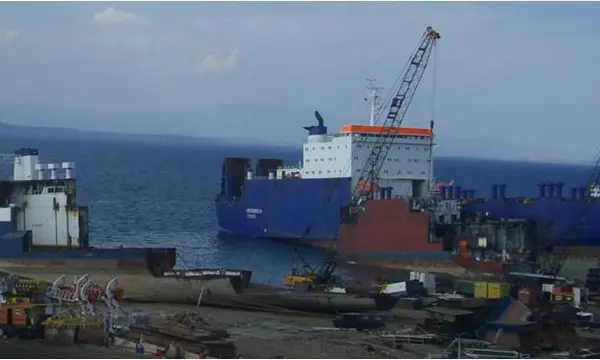
A superyacht does not simply become scrap when it grows old. Refit, resale, repurposing and finally regulated recycling form a long end-of-life chain that …
Superyacht Guide
Continue into the wider Superyacht Guide.