Mediterranean and Caribbean charters offer different seasonal rhythms, costs and guest experiences. We compare weekly rates, APA, taxes, marinas, anchorages and itineraries.
For many charter clients, the Mediterranean and Caribbean are not competing destinations so much as two different ways to use the same superyacht lifestyle. The Mediterranean dominates the northern-hemisphere summer, while the Caribbean becomes the natural winter alternative, and many large charter yachts migrate between the two regions with the seasons.
Cost can look similar at first because the weekly charter fee is often comparable on the same yacht, but the final bill is shaped by currency, VAT, APA spending, fuel, marina use, itinerary and repositioning. The experience is different as well: the Mediterranean offers dense ports, restaurants and cultural stops, while the Caribbean is usually more beach-, anchorage- and watersports-focused.
Current Fraser charter listings illustrate the conventional seasonal pattern clearly, with many yachts advertised in the Mediterranean from April to September and in the Caribbean or Bahamas from October to March. This movement follows weather, client demand and the global charter calendar, allowing owners to keep yachts commercially active across two high-demand regions rather than leaving them idle for half the year.
The Mediterranean peak is concentrated around July and August, when France, Italy, Greece, Croatia, the Balearics and other established cruising grounds are at their busiest. The Caribbean’s strongest period sits around Christmas and New Year, with demand also remaining high through the winter and into the spring around Antigua, St Maarten, St Barths, the British Virgin Islands and the Bahamas.
Shoulder-season charters can offer a different balance, with May, June and September often providing warm Mediterranean conditions without the same peak pressure on berths and restaurants. In the Caribbean, November, early December and parts of spring can provide more flexibility, although weather systems, local events and individual yacht schedules still need to be checked for each booking.
Some yachts quote essentially the same headline weekly rate in both regions, while others switch currency or apply a regional premium. Fraser currently lists the 60.3-metre SAMURAI from €445,000 per week in the Mediterranean and from $445,000 in the Caribbean/Bahamas, while 50-metre FELICITÀ is shown from €295,000 in the Mediterranean and $295,000 in the Caribbean.
Other yachts can show a more visible seasonal difference. Bluewater’s current listing for the 36.9-metre ALLURIA gives Mediterranean rates of €160,000 in low season and €175,000 in high season, while its Caribbean programme is quoted at $190,000 low season and $220,000 for the Christmas/New Year high period.
These examples show why clients should not compare charter regions by weekly rate alone. Exchange rates, tax, embarkation country, cruising pattern and the amount spent from the Advance Provisioning Allowance can move the final holiday cost by tens or hundreds of thousands of euros or dollars on larger yachts.
MYBA-based charter terms generally separate the charter fee from many variable operating costs, with the owner providing the yacht in commission with the crew and insured marine risk while the charterer pays items such as fuel, food, beverages, port charges, local taxes and communications. MYBA research has found APA commonly charged between 20% and 35% of the charter fee, depending particularly on the yacht’s consumption and the intended programme.
European charter itineraries frequently involve VAT on the charter fee, with the applicable treatment depending on the place of embarkation, itinerary and current tax rules. Caribbean tax structures are different and vary by island or jurisdiction, so a broker should quote the tax treatment for the actual itinerary rather than rely on a broad statement that one region is always tax-free or always cheaper.
Fuel can materially favour one itinerary over another because a yacht making short hops between Caribbean anchorages may consume differently from a fast Mediterranean itinerary linking Monaco, Corsica, Sardinia and the Amalfi Coast. Marina nights can also be more significant in parts of the Mediterranean, where prestigious berths are scarce and guests may want to be alongside in the centre of a resort rather than anchored offshore.
A Mediterranean charter is often built around variety within short distances: historic towns, beach clubs, restaurants, shopping, nightlife, archaeological sites and major events can all be combined with swimming and secluded anchorages. France and Italy provide the classic Riviera experience, Greece and Croatia offer island-hopping, and the Balearics mix beach cruising with a strong shore-side social scene.
That density can be a major advantage for a mixed group because not every guest needs to want the same thing each day. One part of the family can spend the afternoon ashore while others use the yacht’s toys or beach club, and a yacht with a capable tender can move guests between the vessel and busy ports without requiring the main yacht to berth every night.
The trade-off is congestion during peak season, particularly in famous ports and anchorages. Berth reservations, restaurant bookings and local restrictions often need more planning, and high summer temperatures can make air conditioning, shaded deck areas and effective guest circulation more important than clients initially expect.
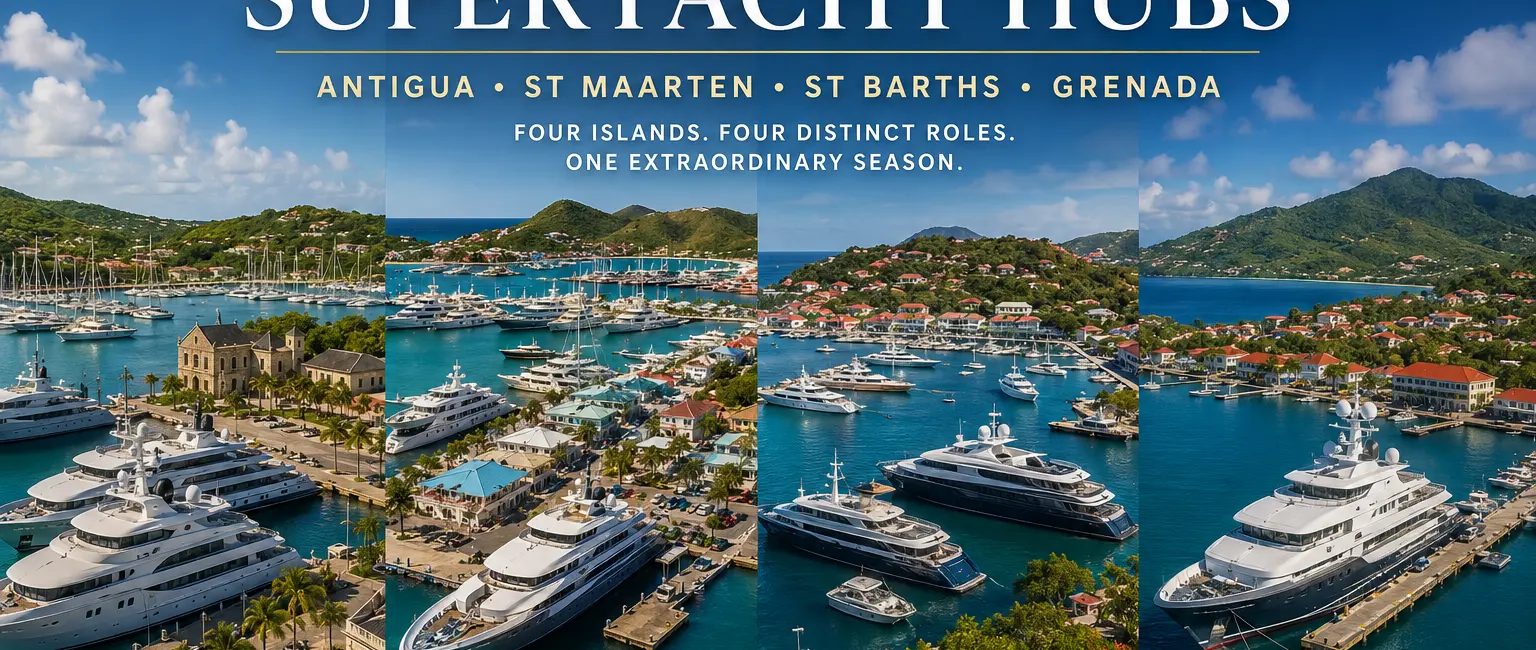
The Caribbean generally places more emphasis on the water itself, with short passages between islands, warm swimming, diving, snorkelling, beach lunches and long periods at anchor. Antigua, St Maarten and St Barths are major superyacht hubs, while the Virgin Islands offer compact cruising and the Grenadines provide a more spread-out route for guests who want quieter anchorages.
For families and active groups, the region suits yachts with strong tender capacity, inflatables, diving equipment, personal watercraft and generous beach-club access. The sense of privacy can be greater than in the busiest Mediterranean ports, although Christmas and New Year around St Barths and other high-demand locations can be extremely busy and expensive.
Weather planning remains important because the Atlantic hurricane season affects the wider Caribbean calendar, which is one reason the main charter season is concentrated in winter. Captains and brokers monitor conditions closely, and itinerary flexibility is valuable when swell, wind or local weather makes a preferred anchorage uncomfortable.
The Mediterranean is usually the stronger choice for guests who want culture, restaurants, famous ports, events and a high proportion of shore-based experiences mixed with yachting. The Caribbean is often better for clients who want to spend more time swimming, diving, using water toys and moving between islands with fewer formal plans ashore.
For cost, there is no universal winner because the same yacht can be priced differently by season and currency while taxes and APA expenditure vary with the itinerary. The best comparison is to ask a broker for two fully modelled proposals using the same number of days, guest count and activity level, including charter fee, estimated APA, taxes, expected fuel and any repositioning.
Many repeat charterers eventually use both regions because they serve different moods rather than replacing each other. A Mediterranean summer can be about restaurants, ports and events, while a Caribbean winter can be about beaches, anchorages and water, giving the same family or group two genuinely different superyacht experiences.
Explore
Go deeper into the yachts, companies, events and destinations directly connected to this article.
Continue reading
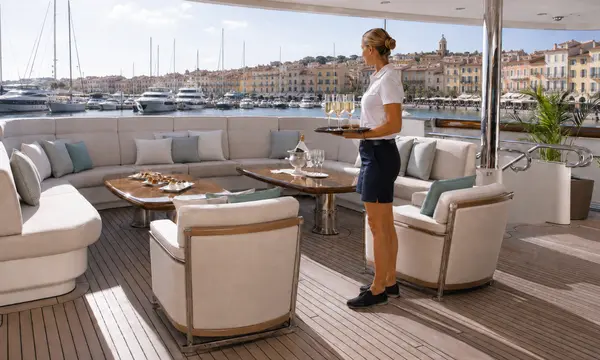
The best family charter yacht is the one whose layout, crew, safety, toys and itinerary fit the group. We explain what parents and multi-generational …
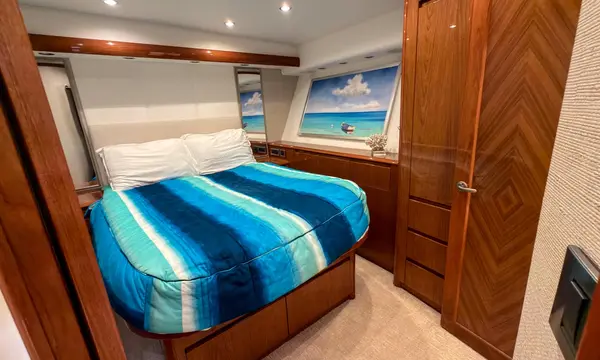
Fraser has added the 25m Viking sportfisher DOC Z to its charter fleet, with the yacht available independently or alongside 52m LADY B for …

Fraser has been named the yacht-charter company winner in The Zoe Report's 2026 Readers' Choice Awards following a public reader vote.
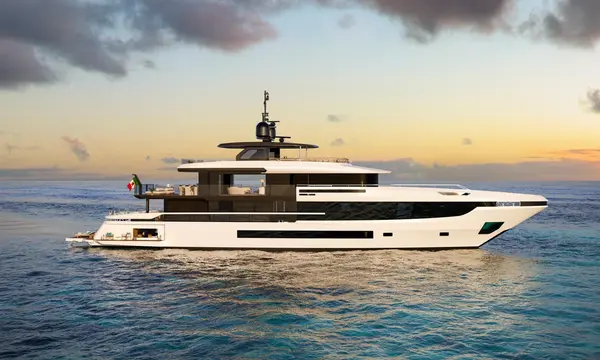
The new 44-metre Mangusta Oceano 44 LULUS is advertised for Caribbean charter in winter 2026, offering 12-guest accommodation and an unusual island-style foredeck pool.
Superyacht Guide
Continue into the wider Superyacht Guide.
Business opportunities · Superyacht Guide
Companies serving the superyacht market can discuss clearly identified advertising, sponsorship and business-profile opportunities. Commercial activity remains separate from independent editorial coverage.