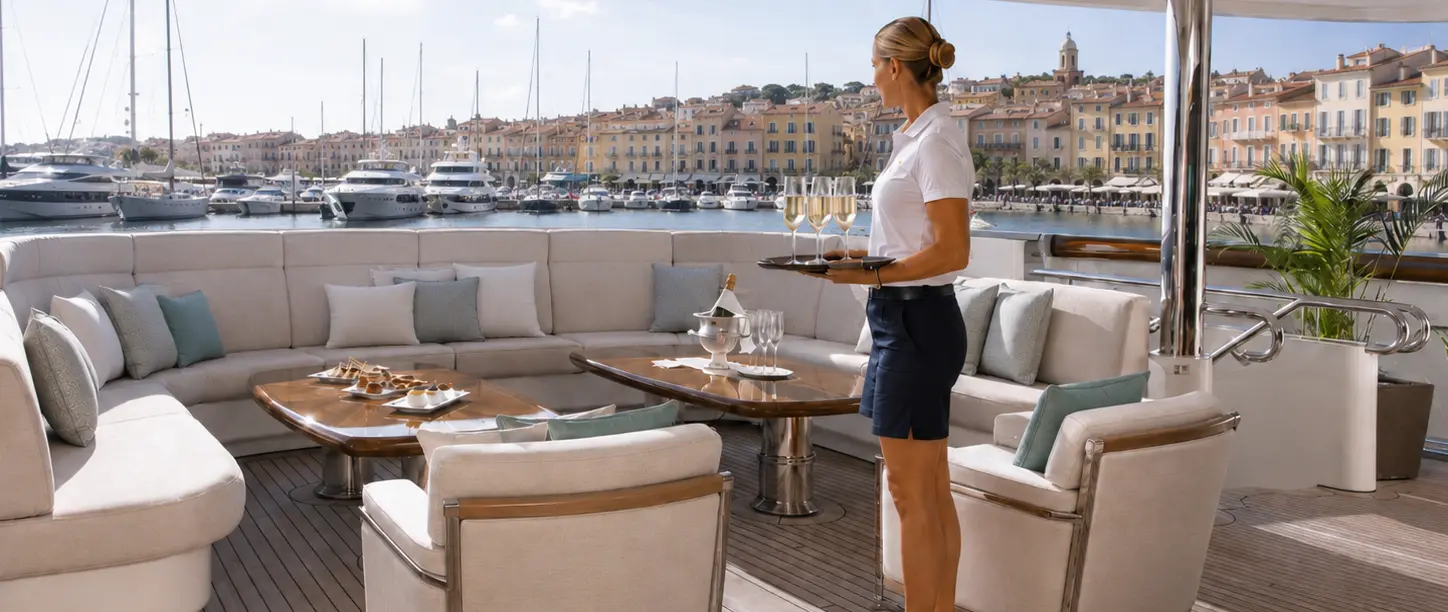
The best family charter yacht is the one whose layout, crew, safety, toys and itinerary fit the group. We explain what parents and multi-generational families should compare.
The best superyacht for a family charter is not necessarily the largest, newest or most expensive yacht available. A successful family week depends on cabin layout, deck safety, stabilisation, crew experience, water access, toys, shaded space, itinerary and the ages and interests of the guests, so the selection process should begin with how the family actually wants to spend its time.
Parents travelling with young children may value enclosed deck areas, flexible twin cabins and a calm cruising programme more than a huge beach club, while teenagers may care most about water toys, fast tenders, diving and connectivity. Multi-generational groups add another layer because grandparents, parents and children can have very different mobility, privacy and entertainment needs on the same charter.
The first step is to define exactly who is travelling, including the number of adults, children and infants, the children’s ages and whether any guest has mobility, medical, dietary or accessibility requirements. Brokers can then eliminate yachts whose legal guest limits, cabin arrangement or practical circulation do not fit the group before anyone becomes attached to a particular design.
Cabin configuration matters more than a simple cabin count because a family may need twins, Pullmans, connecting rooms, a nursery arrangement or a cabin close to the principal suite. A yacht advertised with five cabins can work brilliantly for one family and badly for another if too many beds are fixed doubles or if younger children would have to sleep several decks away from their parents.
Fraser’s current family-oriented listings show the range of possible layouts, from HAIAMI I with six staterooms for up to 12 guests to WHEELS with six double cabins and extensive family facilities. The right choice depends on the family structure, and the broker should verify the exact sleeping arrangement rather than assume marketing descriptions translate directly into the required bed plan.
Families with small children should ask about rail heights, stair gates, deck access, pool or Jacuzzi protection, tender boarding and how easily doors leading to exterior spaces can be controlled. A yacht designed for adult entertaining may have dramatic open staircases or low visual barriers that look excellent in photographs but require more supervision when toddlers are on board.
Stabilisers can make a major difference to family comfort because seasickness can quickly undermine an otherwise excellent itinerary. Zero-speed or at-anchor stabilisation is particularly useful when the yacht spends long periods anchored, while effective underway stabilisation helps on passages between islands or along exposed coastlines.
The crew’s approach matters just as much as the hardware, because experienced charter teams understand how to manage children around tenders, toys, swimming areas and meal service without making the holiday feel restrictive. Ask the broker whether the yacht regularly hosts families and whether the crew has a strong record with children of similar ages.
A long inventory of water toys is only valuable if the guests can and want to use them. Younger children may get more value from a safe inflatable platform, paddleboards, kayaks and supervised snorkelling than from high-powered personal watercraft, while teenagers may actively seek e-foils, wakeboards, diving, climbing walls or large slides.
Age limits, local licensing rules and insurance restrictions can affect who is permitted to operate certain equipment, particularly jet skis and other powered craft. The crew should explain these restrictions before the charter, and families should resist building the holiday around a toy that a child may not legally or safely be able to use.
A capable tender is equally important because it connects the yacht to beaches, marinas and restaurants and can make shore transfers much easier for children and older relatives. Covered seating, safe boarding, dry storage and enough capacity for the whole family can be more valuable than maximum tender speed when the priority is comfortable daily movement.
One of the strengths of a superyacht charter is the chef’s ability to adapt meals to the family rather than force everyone into a fixed hotel schedule. Preference sheets should therefore include children’s favourite foods, allergies, intolerances, meal times and any parents’ expectations about snacks, sugar, special diets or separate adult dinners.
Families with babies or young children should discuss cots, high chairs, bottle preparation, laundry, blackout requirements and refrigeration before embarkation. These details are easier to solve during provisioning than after the yacht has left port, and an experienced chief steward or stewardess will usually want a clear picture of the family’s routine before the guests arrive.
Quiet space also matters on longer charters because not every family member wants to participate in every activity. A second saloon, shaded upper deck, cinema room, office or private balcony can let adults work or rest while children use the main social areas, reducing friction in a group that is living together around the clock.
A deep-draught yacht with a large displacement may be perfect for open-water cruising but unable to enter some shallow bays or smaller harbours, while a faster shallow-draught yacht can open different itinerary options. Families should therefore choose the yacht and cruising area together rather than select a vessel first and discover later that the preferred beaches or ports are impractical.
For a first family charter, a route with short passages and several fallback anchorages is often more comfortable than an ambitious itinerary that requires daily long-distance repositioning. Greece, Croatia, the Balearics, the French and Italian Rivieras and many Caribbean island groups can all support family programmes, but the best route depends on weather, travel connections and how much time the group wants to spend ashore.
Charter season also affects the experience because peak Mediterranean weeks can bring crowded ports and expensive berths, while Christmas and New Year create similar pressure in parts of the Caribbean. Families tied to school holidays should book earlier and be realistic about whether a famous marina berth is essential or whether anchoring nearby would deliver a calmer holiday.
Ask for the exact cabin plan, legal guest limit, stabiliser configuration, child-safety arrangements, tender specification and a current toy list, and make sure the crew’s family experience is discussed rather than assumed. The broker should also explain whether the yacht has any age restrictions, pet rules, smoking policy, special medical limitations or operational constraints that could affect the family.
It is also worth asking how the captain would adapt the itinerary if a child becomes seasick, weather changes or the family decides it wants fewer shore visits. A flexible crew and sensible cruising programme can be more important than squeezing every famous destination into seven days, particularly when younger children are involved.
The right family yacht is ultimately the one that makes everyday life easy: the cabins fit, the decks feel safe, the crew understands children, the toys are usable and the itinerary suits the group’s pace. When those fundamentals are correct, luxury features become an enhancement rather than a distraction, and the charter is far more likely to work for every generation aboard.
Explore
Go deeper into the yachts, companies, events and destinations directly connected to this article.
Continue reading
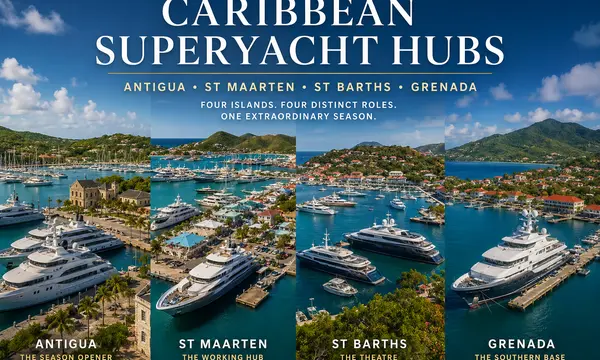
Mediterranean and Caribbean charters offer different seasonal rhythms, costs and guest experiences. We compare weekly rates, APA, taxes, marinas, anchorages and itineraries.
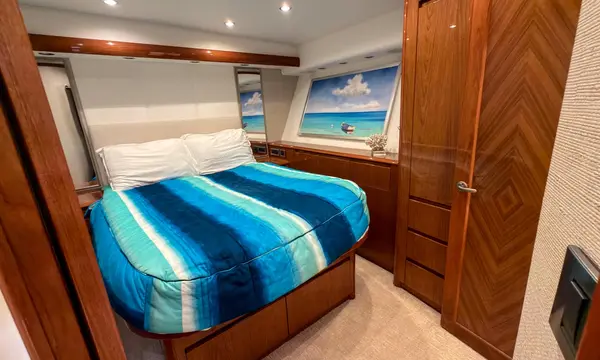
Fraser has added the 25m Viking sportfisher DOC Z to its charter fleet, with the yacht available independently or alongside 52m LADY B for …
Guests may experience the first day of a superyacht charter as a seamless transition from airport to anchorage. For the crew, it is a …

An IYC and SuperYacht Times panel at Monaco Yacht Show 2026 examined how crew rest, staffing, mental wellbeing and working culture affect the guest …
Superyacht Guide
Continue into the wider Superyacht Guide.
Business opportunities · Superyacht Guide
Companies serving the superyacht market can discuss clearly identified advertising, sponsorship and business-profile opportunities. Commercial activity remains separate from independent editorial coverage.