© Mengi Yay Yachts / Reviva Refit original company newsletter, source email ID 592 dated 2025-07-03. Original URL and sha256 recorded. Official press image of named vessel.
CABANA NB111, the first 34.5m Atlante Classic 35 explorer, was delivered by Mengi Yay in July 2025. Discover VYD Studio design and original build history.
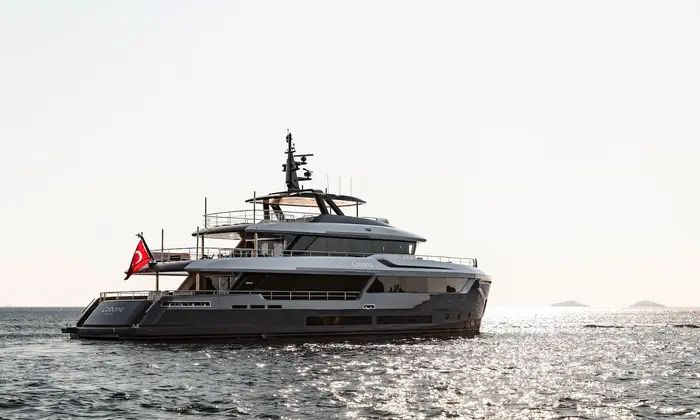
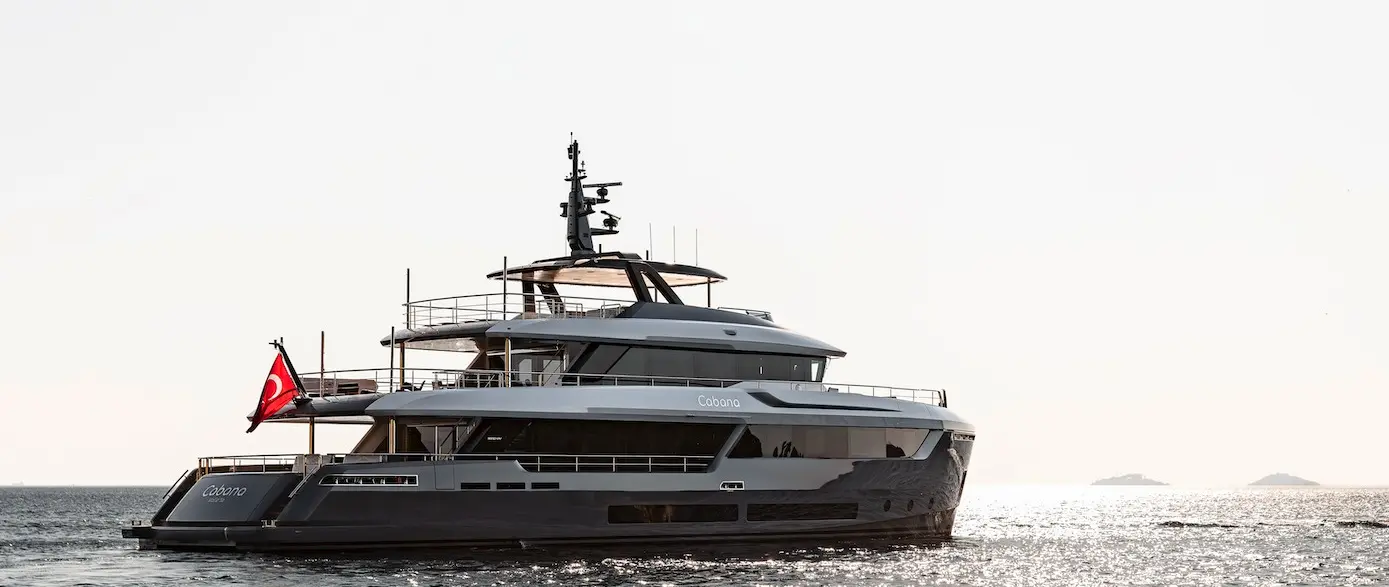
CABANA was handed over in July 2025 as the first yacht in the Atlante Classic 35 series, a collaboration between Mengi Yay Yachts, Atlante Yachts, VYD Studio and Arrabito Naval Architects. The 34.5-metre motor yacht was launched in Tuzla on 31 May 2025 under builder hull number NB111, and a separate official newsletter confirmed delivery on 3 July. Those original communications supply a chronology and production identity that matter more than a generic description of the model. CABANA is a specific, completed yacht, not simply a concept drawing or an invitation to buy a future sistership.
The project began with a brief from an experienced Northern European client. The original launch communication explained that the owner participated closely in design and development. The shipyard's project team worked with external specialists to bring the boat from an initial idea into a larger, more capable explorer yacht.
A first hull carries particular significance because its designers cannot rely on several already-delivered examples to settle every detail. Decisions about service routes, deck arrangements and accommodation may need to be tested against the practical constraints of construction. A successful delivery is therefore a commercial and technical milestone for the wider platform.
VYD Studio's Paolo Dose described the design evolving from an early concept of about 33 metres and below 300 GT to a completed 34.5-metre, approximately 330 GT yacht. The growth was not simply about adding a larger number to a brochure. It created additional usable volume and opportunities to reorganise guest, crew and technical spaces.
The builder's latest fleet listing records 34.48 metres overall. The original delivery email rounds that to 34.5 metres, which is normal for public announcements. The important editorial task is to preserve the distinction between a rounded description and a precise source figure without multiplying yacht records.
CABANA has a steel hull and aluminium superstructure. The arrangement is well suited to a displacement explorer yacht intended to travel in a variety of conditions. Steel can provide a substantial hull structure, while aluminium helps control the weight of the upper sections. The benefits depend on design, fabrication and careful integration, not merely on the materials printed in a sales sheet.
A 34-metre vessel is large enough to carry sophisticated systems but small enough that layout efficiency remains especially important. The designers must accommodate tanks, propulsion machinery, stabilisation equipment and crew facilities without allowing any one requirement to consume the entire internal volume.
The Italian studio VYD designed both the exterior and interior of the yacht. A coherent design approach can help the vessel present one visual identity from the hull's lines through to the way guests move between public rooms. For a long-range explorer, exterior features should be purposeful as well as attractive.
The original email describes contemporary interpretations of a full-displacement explorer, with restrained lines and comfortable spaces rather than a purely high-speed aesthetic. That does not establish measured efficiency; it explains why the owner and designers chose to develop the hull as an ocean-going platform.
Naval architecture was undertaken by Giuseppe Arrabito of Arrabito Naval Architects in Livorno. The job involves much more than making a yacht float. Stability, structure, resistance, propulsion integration and operating behaviour all interact with the chosen exterior arrangement.
During development the team needed to reconcile the growing gross tonnage with the proposed silhouette. More interior volume can place demands on hull geometry and weight distribution. Keeping those relationships under control is fundamental to producing a yacht that feels well balanced rather than simply crowded with amenities.
The original release credited Fatih Dalkıran, through Antalyachts, with project supervision and management. It also identified Mark Seaton as the broker representing the client during the process. These are professional roles connected with the specific new-build project, not evidence that those individuals are permanent employees of the yard.
Their mention matters to the company CRM. Designers, project managers and the buyer's representatives are separate relationship types. Treating all the names in a shipyard newsletter as if they were direct Mengi Yay staff would create a misleading contact register. The source records preserve the distinction.
The launch of CABANA on 31 May 2025 was the moment the completed hull entered the water at the Tuzla yard. The original message then referred to continuing the delivery process. It did not claim that launching the yacht had ended commissioning, sea trials or every contractual obligation.
This is a standard but important distinction in the life of a new yacht. The vessel may still require system testing, crew familiarisation and corrections after entering the water. A buyer following progress will often receive updates from all those stages, and each belongs to the same original hull identity.
Mengi Yay's message dated 3 July 2025 announced the successful delivery of CABANA, marking the end of the project's initial construction journey. The statement included comments from Hüseyin Mengi and Paolo Dose recognising the collaboration among the owner, builder and design partners.
Delivery establishes a more definitive point in the chronology than an earlier forecast of when work might finish. The source did not publish the full private commissioning dossier, and it should not be assumed that every future season of operation or charter availability was known at that moment.
The shipyard's later November 2025 interior communication offered a closer look at CABANA's saloon. It described an open and fluid plan making use of the yacht's full beam. Large windows were intended to bring in light and preserve a connection with the surroundings even when guests were seated.
For a long-range cruiser, the quality of interior light is significant. People may spend considerable time aboard when weather restricts exterior use. Well-placed glass can improve the experience, but the design still has to manage solar gain, privacy, ventilation and the structural requirements of large openings.
CABANA's interior programme places a premium on materials, visual warmth and spaces that do not feel unnecessarily divided. The layout offers the benefits of a larger yacht while remaining within the physical limits of a 34.5-metre hull. That requires restraint in the number and size of separate guest and social rooms.
A yacht's practical comfort also depends on matters rarely visible in official photographs: storage, sound insulation, working routes and the ability to access technical equipment. The success of a refined interior is measured over weeks of use, not only by the impression it creates during a short viewing.
An explorer yacht is expected to support cruising, swimming, tender operations and relaxation at anchor. Each activity competes for the same deck area. The challenge for designers is to create generous spaces that can change purpose without interfering with crew operations or safe access.
A fold-out platform or an expansive terrace may appear simple in a rendering, but such features need suitable machinery, support and watertight arrangements. The value of an integrated design is that these issues are addressed during construction rather than left as awkward modifications after delivery.
Conrad's C144S and the Mengi Yay Atlante Classic 35 occupy very different size classes, but both illustrate why gross tonnage deserves accurate treatment. CABANA's approximately 330 GT is a volume measurement and not the yacht's weight. It reflects how much enclosed accommodation the designers created inside the hull and superstructure.
For a 34.5-metre explorer, 330 GT represents a substantial volume that can support larger public rooms and private accommodation. It does not automatically guarantee more comfort than a smaller yacht, because space planning and the requirements of the crew matter equally.
The July 2025 delivery announcement also referred to a second Atlante Classic 35 hull that could be purchased for a projected first-quarter 2027 delivery. That was a commercial offer for a possible future build, not proof that a second completed yacht had already launched.
A responsible database stores the offer in the company's history without creating another individual yacht until its physical hull, build status and identity are confirmed. That prevents speculative sales material from inflating fleet counts or confusing interested buyers.
The public fleet already contained an unrelated vessel called THE CABANA, associated with a different builder and year. The newly published 2025 Mengi Yay boat is therefore clearly identified as CABANA NB111, the Atlante Classic 35. The builder, hull number, length and year all provide independent points of comparison.
This avoids the common problem of matching yachts solely by a similar name. A vessel's commercial name can change, and different boats can have nearly identical names. The construction identity is the stronger long-term reference.
The primary image for CABANA was distributed with Mengi Yay's July 2025 delivery newsletter. It is linked to the original retained email, not selected from a random web search or generated by an artificial image system. A separate original November 2025 image showing the interior has also been registered for historical documentation.
That provenance makes it easier to expand the gallery later without accidentally mixing photography from a sistership. It is especially useful when a builder distributes multiple announcements about one yacht in the months surrounding launch, delivery and first seasonal use.
The delivery of CABANA demonstrated the first completed result of the Atlante Classic 35 collaboration, combining Mengi Yay's fabrication experience with Italian design and naval architecture. Its growth from a smaller concept into a 330 GT explorer reflects the compromises and ambitions of custom yacht production.
For the owner, the early July announcement marked the beginning of use rather than the end of all decisions about the yacht. For the wider industry, it created a reference point for the emerging series. The verified story remains one launch on 31 May, one delivery confirmed in July, and one identifiable NB111 yacht.
Original source verification: Mengi Yay original official emails 1630 (1 June 2025 launch), 592 (3 July 2025 delivery), and 1900 (21 November 2025 interior photographs); originals retained with SHA-256 evidence in the shipyard CRM. Official Mengi Yay CABANA profile and Mengi Yay yacht fleet. Original press photograph © Mengi Yay Yachts.
Mengi Yay Yachts original direct official shipyard photograph
Explore
Go deeper into the yachts, companies, events and destinations directly connected to this article.
Continue reading
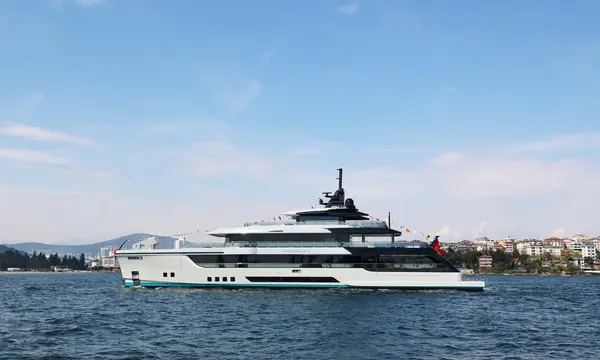
Mengi Yay delivered the 47.5m SERENISSIMA II in May 2025. Explore the separate April launch, Nuvolari Lenard design and Van Oossanen hull engineering.
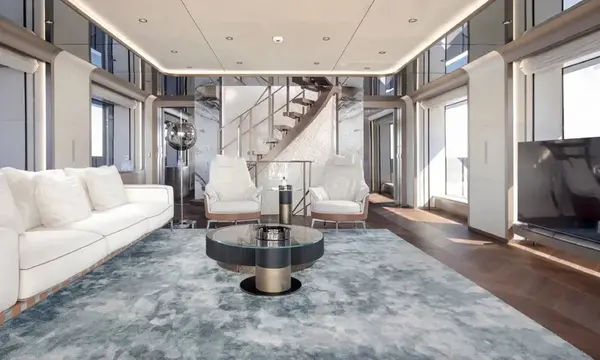
VYD Studio releases interior images of Mengi Yay’s 52.6m GRAY WOLF explorer, showing its guest spaces, main saloon and contemporary material scheme.
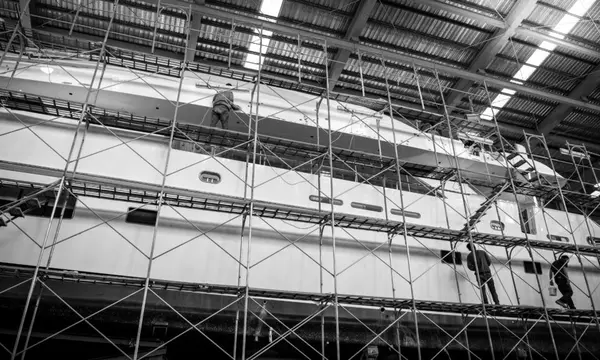
Turkish superyacht builder Mengi Yay has joined the international Superyacht Builders Association, with custom projects underway between 45 and over 60m.
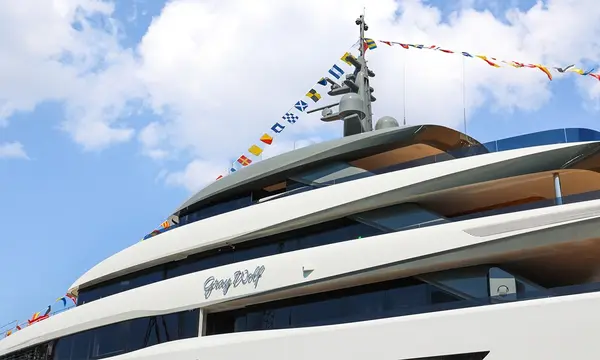
Monaco Yacht Show lists the 52.4m Mengi Yay explorer GRAY WOLF at berth E09 ahead of its international public debut after an April launch.
Superyacht Guide
Continue into the wider Superyacht Guide.
Business opportunities · Superyacht Guide
Companies serving the superyacht market can discuss clearly identified advertising, sponsorship and business-profile opportunities. Commercial activity remains separate from independent editorial coverage.