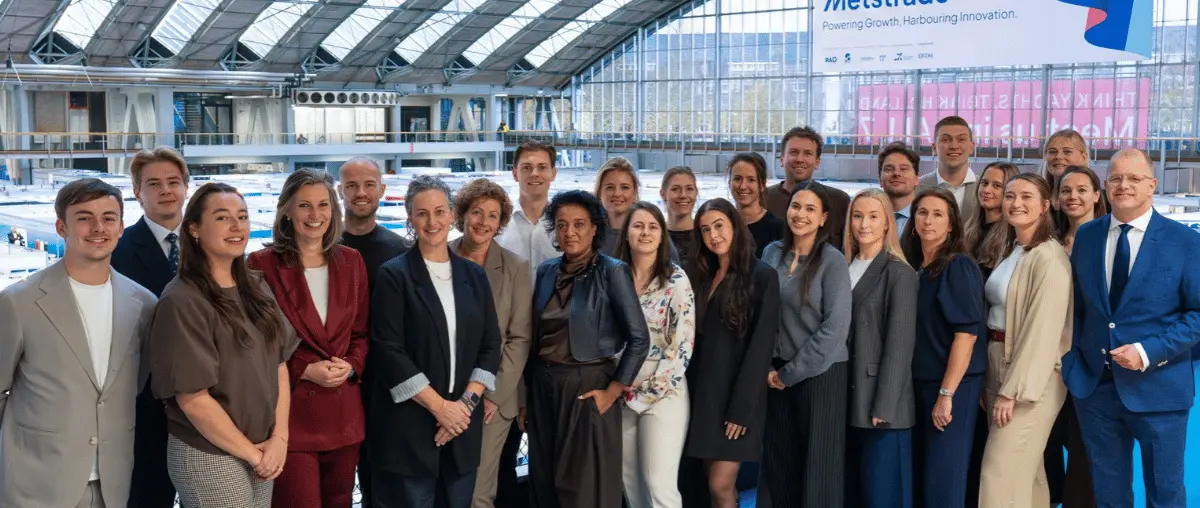
METSTRADE 2026 official 1763 exhibitor press photo — SYG News batch09
The METSTRADE organiser has confirmed a record 1,763 exhibitors in 2026 and 19,487 unique visitors, with an expanded Superyacht Zone and wider marine supply-chain programme.
METSTRADE has concluded its 2026 exhibition with 1,763 exhibitors, the largest exhibitor total in the Amsterdam show's history. The organiser's official closing statement, published on 24 November, also reports 19,487 unique visitors from 144 countries and more than 31,000 visits across the event. The exhibition occupied all thirteen halls and included enlarged specialist areas for superyachts, marinas, yards and construction materials. These are final attendance results from the organiser, not pre-show forecasts or a projection based on ticket sales.
For the superyacht industry, the distinction matters. The size of an exhibition alone cannot establish the value of orders placed there, but it provides evidence of how many companies were willing to invest in face-to-face access to equipment buyers, builders, refit managers and technical specialists. The 2026 show took place at RAI Amsterdam from 17 to 19 November. Its official retrospective offers a current snapshot of the international marine supply chain.
The headline figure of 1,763 exhibitors represents a 4% increase on the previous edition, according to METSTRADE's dated statement. The announcement describes the total as the highest in the show's history. More than 19,000 unique visitors attended, while recorded visits exceeded 31,000 because individual attendees could visit on more than one day. Those are distinct measures and should not be added together or described as separate populations of people.
A unique visitor figure helps describe reach; a visits figure helps describe total footfall. Neither indicates how much an individual visitor spent or how many purchase orders were placed. Show organisers routinely publish attendance measures to evaluate event scale, but buyers and exhibitors need further commercial evidence to judge a return on investment. The official statement supplies attendance, not an audited transaction total.
METSTRADE says the 2026 edition filled all thirteen halls of RAI Amsterdam. It also reports changes to the layout intended to make movement between sectors easier, including expanded or repositioned specialist zones. The Superyacht Zone, Marina & Yard Zone and Construction Materials Zone were among the areas cited. This is relevant because an exhibition for the broader leisure-marine industry has to serve businesses with very different requirements.
A supplier of specialist glazing or deck hardware may want access to large-yacht designers, while a marina operator may be evaluating infrastructure systems and environmental technologies. Grouping related exhibitors can improve access to buyers, but the effectiveness of a new layout is not determined by floor area alone. Exhibitors still need to find the correct decision-makers and follow up after the show.
The Superyacht Zone is one part of a much broader marine-equipment exhibition. Attendees include people involved in production motorboats, sailing yachts, service businesses and port infrastructure, as well as the 24-metre-plus sector. Consequently, the 1,763 exhibitors should not be described as 1,763 dedicated superyacht builders or suppliers. The organiser's figure covers the whole event, and the available release does not provide a separate unique-visitor count exclusively for large-yacht professionals.
The commercial relevance of the superyacht programme remains substantial. Large projects require specialist technical services and long-term relationships with suppliers. Exhibition meetings can bring design teams, yard purchasing departments, project managers and product engineers together at a stage when specifications are still open. That opportunity is a reasonable explanation for why the expanded zone matters, not evidence that a particular contract was signed.
METSTRADE's statement identifies visitors from 144 countries. International reach is important in an industry where yachts are built in one country, managed in another and maintained around the world. Equipment manufacturers may need service partners in multiple regions, while buyers often want confidence that a system can be supported during a long voyage. A global exhibition can help companies identify distribution, training and technical support relationships.
The number of countries is not itself a measure of purchasing power or a complete representation of national boating markets. An attendance count cannot tell readers whether visitors came primarily as owners, brokers, engineers or students without additional data. Its value lies in documenting geographic breadth, and that should be reported without inventing a ranking of individual country participation.
The organiser reports that the exhibitor count increased by approximately 4% year-on-year. Against an already large base, that points to a broad willingness among suppliers to take part. It may reflect product launches, business-development priorities or the advantages of meeting established customers in one location. However, growth in show participation cannot be read as proof that the wider marine market grew at the same rate.
Companies attend exhibitions for many reasons. A manufacturer may be searching for distributors, demonstrating technical developments or maintaining market visibility during a difficult trading period. Another may be expanding internationally. The official release provides no single explanation applicable to every stand. Treating exhibition growth as a useful signal rather than a substitute for financial market data produces a more balanced account.
The organiser says the 2026 programme included more than twenty expert content sessions across four stages. Topics identified in its review included sustainability, electrification, digitalisation, workforce development and collaboration throughout the marine supply chain. These subjects are particularly relevant to large-yacht builders and operators because they affect specification decisions, lifetime maintenance and the ability to find and retain skilled people.
A busy seminar programme does not establish that all speakers agreed or that the sector adopted any particular standard. Conference conversations can frame future choices, but engineering requirements are set through regulations, class and flag arrangements and individual project specifications. The value of the official retrospective is its documentation of the subjects under discussion, not a claim that all of them have already been resolved.
Electrification continues to attract attention, but the implications for a superyacht are complex. Battery capacity, charging arrangements, emergency systems and hotel-load requirements differ between small boats and large vessels. The presence of electric products at an equipment exhibition demonstrates supplier interest; it does not prove that a given product can power a 60-metre yacht for its entire cruising programme. Actual engineering performance depends on the application.
Visitors evaluating new equipment should ask for clear technical specifications and verified use cases. Demonstrations can provide useful initial information, but a full installation needs compatibility assessments and the appropriate approvals. The 2026 programme's focus on electrification is commercially relevant because those conversations may influence future builds and refits, not because an exhibition has settled every question about marine propulsion.
Digitalisation can encompass navigation networks, onboard monitoring, documentation and remote technical support. For a large yacht, systems integration is often more difficult than selecting an individual screen or software platform. A product may be impressive at a stand yet require substantial work to communicate securely and reliably with equipment from other manufacturers. A good procurement process should address interoperability, update procedures and crew support.
An exhibition offers a useful opportunity for technical teams to question several suppliers in a short period. It also makes comparisons possible, provided the buyer records the exact product version and claims being made. METSTRADE's post-show report groups digitalisation among the event's main themes but does not endorse every exhibitor's individual claims. That distinction remains important when reporting from a technology-heavy show.
Environmental performance was another issue emphasised by METSTRADE. Yacht companies face questions about the impacts of materials, construction, operation and maintenance. The availability of useful evidence varies across product categories, and purchasing decisions may be influenced by how suppliers explain or verify their claims. The event's programme provided a setting for those discussions among designers, builders and specialised firms.
A conference appearance or an award nomination should not be confused with a complete lifecycle assessment or independent regulatory approval. Owners need to understand the boundaries of product claims and the specific installation context. The organiser's closing release describes the theme broadly; more granular findings may come from individual exhibitors or technical organisations after the event.
The Marina & Yard Zone's expanded role reflects a part of the marine industry that operates beyond new yacht construction. Refit involves engineering and maintenance schedules, while marinas must plan infrastructure and services for vessels that vary greatly in size. Large-yacht owners may need shore power, water, waste management, access control and berthing arrangements that are not standard across every destination.
Bringing marina operators and technical suppliers into the same event can facilitate useful conversations about infrastructure. Yet the attendance figures do not establish that specific ports have approved new investment or that every marina technology can be installed in all jurisdictions. Project suitability still depends on engineering, local regulation and financial feasibility. The show's value lies in facilitating those conversations.
The organiser lists workforce development among the concerns discussed in 2026. Complex yacht construction and maintenance depend on skilled people who understand specialist materials, electrical systems and detailed finishing. A technology may improve processes, but it does not remove the need for technicians who can install, test and maintain it. Industry conversations about training are therefore part of the commercial environment, not a separate social topic.
An exhibition can introduce potential employers, educators and younger professionals to one another. That may help create partnerships, although the official release does not quantify new apprenticeships or jobs created. Future results would need to be assessed through identifiable training programmes and actual recruitment outcomes. Reporting attendance as employment growth would overstate what the published data can support.
For an exhibitor, the most meaningful return may not come from a sale completed during three days in Amsterdam. A complex superyacht purchase can take months to specify and approve, and a refit supplier might only be engaged after a yard completes its survey. Companies often use exhibitions to start conversations, demonstrate capability and establish credibility with people who influence future purchases.
The official attendance figures show potential exposure but cannot measure the quality of every lead. A supplier assessing METSTRADE should also examine follow-up meetings, serious technical enquiries and actual later contracts. The difference between a busy stand and a profitable business outcome matters. The organiser's statement does not provide individual companies' conversion rates, and it should not be made to imply them.
METSTRADE reports more than 31,000 visits made by 19,487 unique visitors. Because the event lasts three days, some attendees return for further meetings or sessions. The repeat-visit component can be useful for the exhibition's programme, allowing visitors to devote separate days to particular sectors. It also means that using the larger number as a count of distinct people would materially overstate attendance.
Precision matters when these figures are repeated in commercial presentations. A shipyard or supplier should be able to compare like with like between years. The report states the metrics separately, and that is the best practice for coverage. There is no need to exaggerate the result: an exhibitor record and participation from 144 countries are noteworthy on their own terms.
The official website identifies 16–18 November 2027 as the next METSTRADE dates. Exhibitors considering that edition can use the 2026 closing figures as background for planning, while also examining the relevance of their specific audience and product category. The ability to reach more than a thousand exhibitors or tens of thousands of visits in aggregate says little about whether a narrowly specialised product will find the right clients without proper targeting.
For superyacht procurement teams, a future event can be scheduled around product research, supplier meetings and technical discussions. Those preparations are more useful than simply arriving to walk the halls. The newly reported 2026 results create a factual basis for discussing the show's scale, not a guarantee of future commercial results.
The 2026 exhibition concluded on 19 November, and the organiser's official post-show release is dated 24 November. The two dates should not be conflated. A story about the final record can legitimately be published on the date the figures were released, while making clear that the event itself has ended. The announcement is distinct from the pre-show forecasts of a larger edition and from earlier reports on individual awards or exhibitors.
The 1,763 exhibitors, 19,487 unique visitors, more than 31,000 visits and 144 participating countries are the figures directly attributed to METSTRADE. This report does not add unpublished contract values, invent an industry growth rate or claim the entire audience belonged to the superyacht sector. The news is the organiser's verified final scale assessment.
METSTRADE's largest-ever exhibitor turnout underlines the continuing role of international industry meetings in connecting marine suppliers and buyers. Its expanded specialist zones and broad content programme give the event relevance to superyacht design, refit, marina operation and equipment specification. The real impact will depend on whether the meetings lead to better products, stronger technical relationships and commercially sound investment.
For now, the conclusion is specific: the 2026 Amsterdam edition drew a record 1,763 exhibitors and 19,487 unique visitors across an international marine trade audience. That is a substantial, source-backed development that deserves to be reported as the exhibition's final result rather than another promise about what it hoped to achieve.
Primary source: METSTRADE organiser, official post-show press release, 24 November 2026.
Image: METSTRADE / RAI Amsterdam, official organiser's 2026 closing press-release photograph. Official source.
Image: METSTRADE / RAI Amsterdam, official organiser's 2026 closing press-release photograph.
Explore
Go deeper into the yachts, companies, events and destinations directly connected to this article.
Continue reading

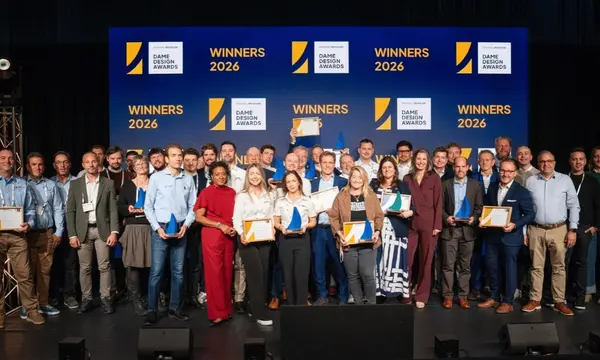
The 35th DAME Design Awards recorded 153 entries, 74 nominations and a €25,725 contribution to sea rescue, with a first-ever three-way overall result.
METSTRADE 2026 closes with 1,763 exhibitors and strong international supplier participation as industry leaders assess its larger superyacht programme.
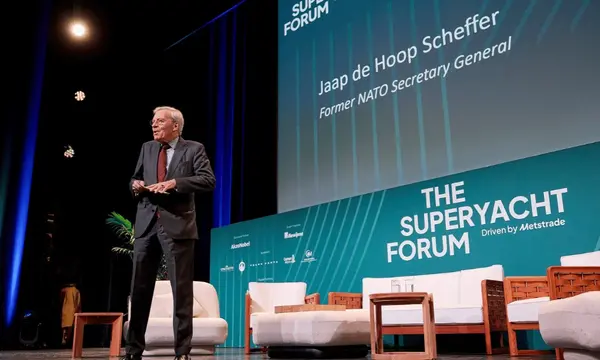
Jaap de Hoop Scheffer's opening address at the 2026 Superyacht Forum calls for stronger geopolitical awareness, supplier resilience and industry cooperation.

Metstrade says complimentary registration ends 31 October before its November Amsterdam exhibition, Superyacht Forum and infrastructure summit.
Superyacht Guide
Continue into the wider Superyacht Guide.
Business opportunities · Superyacht Guide
Companies serving the superyacht market can discuss clearly identified advertising, sponsorship and business-profile opportunities. Commercial activity remains separate from independent editorial coverage.
