
Monaco's 2026 Smart & Sustainable Marina Rendezvous will focus on AI, cybersecurity, investment, biodiversity and decarbonising the existing yacht fleet.
Monaco's next debate about marina development is moving well beyond the question of how many yachts a port can accommodate. The final programme for the sixth Monaco Smart & Sustainable Marina Rendezvous puts artificial intelligence, cybersecurity, investment, biodiversity and fleet decarbonisation at the centre of discussions on how future yachting infrastructure should work.
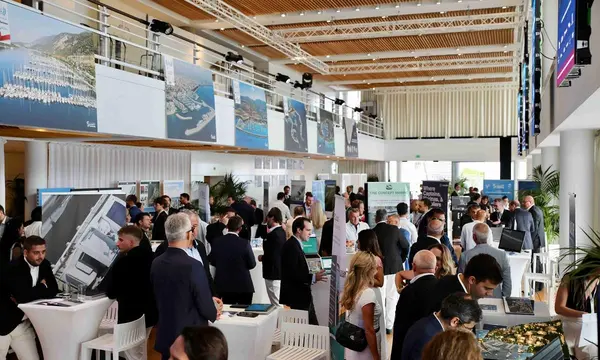
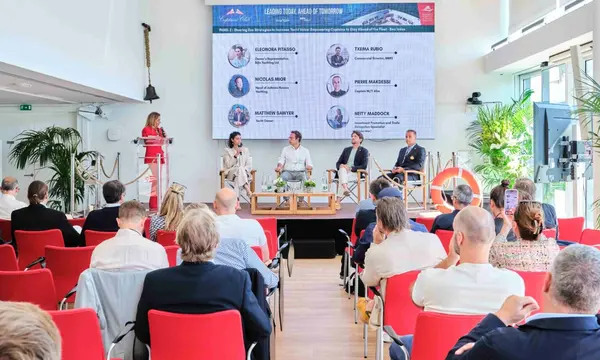
The event takes place at Yacht Club de Monaco on 20 and 21 September 2026 and is organised by M3 Monaco. Yacht Club de Monaco says the gathering will bring together participants from 30 nations, connecting marina developers, investors, operators, technology companies, shipyards, shipowners and other parts of the waterfront economy.
The programme reflects how the role of a modern marina is broadening as yachts become larger, more technically complex and more dependent on shoreside services. Berthing remains fundamental, but investment decisions increasingly involve energy, connectivity, environmental performance, technical support and the quality of the operating platform around the yacht.
That shift is particularly relevant to the superyacht marina market, where a berth can sit at the centre of a much wider service network. For destinations competing for large-yacht traffic, the economic value increasingly comes from the ecosystem around the vessel as well as the physical berth itself.
One of the programme's specific round-table subjects is cybersecurity for connected marinas, placing digital resilience alongside the more familiar engineering and operational concerns of port management. As marina systems become more connected, operators have to consider how digital access, communications and infrastructure can remain available and secure while serving yachts, crews, contractors and visitors.
The issue connects directly with broader maritime compliance requirements because a failure in a connected port environment can become more than an information-technology problem. Operational continuity, security procedures and control over access to services all become part of the marina's risk profile.
Artificial intelligence is another explicit theme in the 2026 programme, including discussion of its application to the waterfront. The significance is less about replacing marina personnel than about how data can be used to improve the planning, monitoring and management of increasingly complicated facilities.
Potential applications can range from analysing berth demand and maintenance information to supporting energy management or other operational decisions, although the appropriate use will vary between facilities. The inclusion of AI in the Monaco programme shows that waterfront technology is moving into the same strategic conversation as capital investment and physical marina development.
The Rendezvous will also examine decarbonisation of the existing fleet, an important distinction because the yachts already in service will remain part of the market for many years. Reducing their environmental impact therefore involves not only future yacht design but also refit programmes, operating practices and the infrastructure available where yachts berth and undergo technical work.
That creates a direct connection with Refit Management and the wider shipyard sector. Changes to existing yachts can only deliver their intended benefits when technical upgrades, operating requirements and shoreside infrastructure can work together rather than developing independently.
The presence of shipyards and shipowners within the event's wider ecosystem reinforces that point. Marina investment decisions can influence what services a destination is capable of supporting, while fleet changes can create new requirements for ports and facilities that were designed for an earlier generation of yachts.
Technology alone cannot transform waterfront infrastructure without capital, and the Monaco programme gives investment and new funding models a prominent place. New marina developments require long planning horizons and substantial commitments before the first yacht arrives, making the relationship between developers, operators and investors a central part of the industry's expansion.
The discussion is particularly relevant as marina assets attract more institutional attention and established yachting destinations compete with new projects. Investors increasingly have to assess not simply the number of berths but whether a facility has a durable commercial position, credible operating model and services capable of meeting future fleet requirements.
Biodiversity is also on the agenda, alongside the evolution of mooring facilities. Bringing those subjects together underlines the tension facing marina developers: waterfront infrastructure has to accommodate larger and more demanding yachts while responding to environmental pressures and tighter expectations around how coastal assets are developed and operated.
The issue is not solved by a single technical standard because marina conditions differ widely by coastline, water depth, local ecology and operating profile. What the Monaco programme demonstrates is that environmental considerations are moving closer to the commercial and engineering decisions that determine how new facilities are financed and built.
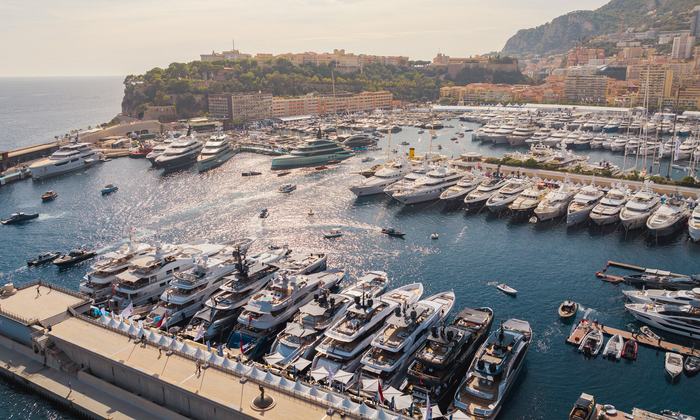
The location gives the discussion additional significance because Monaco sits at the centre of one of the world's densest superyacht markets. Yacht Club de Monaco has made sustainable and advanced yachting a recurring part of its programme, giving the Rendezvous a direct connection to owners, captains, yards, technology businesses and marina operators.
Yacht Club de Monaco itself is also a marina operator, which gives the event a practical waterfront context rather than making it purely a conference about future concepts. The club's marina serves yachts while its wider initiatives bring together many of the businesses involved in designing, building, operating and supporting them.
The 2026 programme points towards a market in which marina competitiveness will increasingly depend on the quality of infrastructure behind the quay. Connectivity, security, environmental performance, technical capability, capital investment and relationships with builders and shipyards can all influence whether a destination can support the next generation of superyacht activity.
The Smart & Sustainable Marina Awards will conclude part of that discussion by recognising projects and solutions within the sector, but the broader message is already clear. As yachts evolve, the ports serving them are being pushed to evolve as businesses, technology platforms and pieces of strategic infrastructure at the same time.
Explore
Go deeper into the yachts, companies, events and destinations directly connected to this article.
Continue reading
The sixth Monaco Smart & Sustainable Marina Rendezvous opens on 20 September with participants from 30 countries discussing marina investment, biodiversity, standards, AI and …
Volvo Penta is using Monaco Yacht Show 2026 to present its IPS Professional Platform, D13 IPS Hybrid system and an interactive energy-management demonstration for …
Yacht Club de Monaco will convene captains and marine specialists on 24 September to compare existing energy technologies with the practical challenges of alternative …
Lloyd’s Register says nuclear propulsion for superyachts now warrants serious safety and regulatory work, while major technical and societal barriers remain.
Superyacht Guide
Continue into the wider Superyacht Guide.
Business opportunities · Superyacht Guide
Companies serving the superyacht market can discuss clearly identified advertising, sponsorship and business-profile opportunities. Commercial activity remains separate from independent editorial coverage.