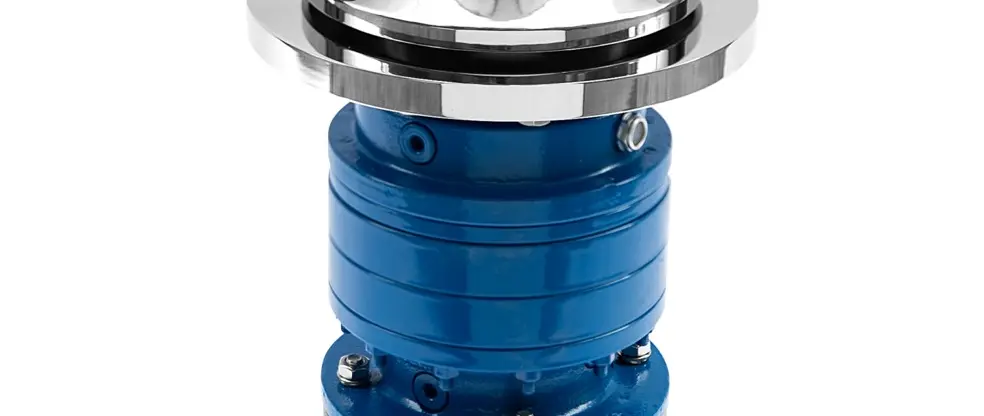
MZ Electronic's MILOS COAX Wins Genoa Design Award
By Stephen Yardley · Edited by Stephen Yardley
The MILOS COAX in-line mooring winch from MZ Electronic won a Genoa 2026 Design Innovation Award, highlighting exterior service access for yachts in the 20–35m segment.
MZ Electronic's MILOS COAX mooring winch has received a 2026 Design Innovation Award in the nautical components category following its presentation at the 66th Genoa International Boat Show. The Italian manufacturer has described a vertically aligned arrangement intended to simplify installation and maintenance, particularly on yachts where access to machinery beneath the deck is difficult.
The October 2026 coverage highlights a piece of technical equipment rather than a new vessel or completed superyacht delivery. MILOS COAX is aimed at yachts roughly 20 to 35 metres long, a size range that includes both substantial private cruisers and smaller superyachts. For owners and engineers, its significance lies in the possibility of reducing the work required to inspect a working mooring system.
Traditional electric mooring capstans often use a gearbox arrangement that transfers drive at ninety degrees, with part of the assembly positioned beneath the working deck. That can force technicians to reach the mechanism from an adjoining compartment, where cabinetry, structural elements or other equipment may limit access. Repairs which appear simple from above can become disruptive.
MZ Electronic's approach places the motor and gearbox more directly in line with the working winch. The company says the configuration, used with an optional counterplate, allows installation and maintenance operations to be managed from the exterior without requiring access to the space below deck. As always, suitability depends on the actual layout and the installation manual for the chosen model.
The system uses an epicyclic or planetary gearbox, with MZ claiming an efficiency of about ninety percent, compared with approximately sixty percent for a conventional worm gear. These are manufacturer-stated comparisons rather than independently verified efficiency measurements across every operating condition. Actual losses will vary with load, lubrication and installation.
The rationale is straightforward: less mechanical loss should allow more useful turning effort to reach the drum from a comparable motor. For mooring operations, however, efficiency must be assessed alongside line speed, maximum load, duty cycle and the ability to hold or stop securely. A more efficient gearbox is not a reason to exceed safe operating limits.
MILOS COAX is listed with twenty-four- or forty-eight-volt electrical options and motors rated at approximately 2,700 or 3,000 watts. These specifications will influence battery capacity, cable sizing, protection equipment and how a yacht's power system handles peak demand. Installers should work from the manufacturer's actual electrical drawings rather than infer suitable wiring from the advertised motor power.
Owners reviewing an equipment upgrade should also confirm the available mounting space, required supporting structure and compatibility with existing mooring lines. A compact deck installation may still need substantial engineering beneath the surface to manage working forces safely. It is not necessarily a direct replacement for every existing capstan.
Mooring equipment operates in an exposed environment, repeatedly handling wet lines while subjected to salt spray, impact and changing loads. Even high-quality winches require inspection of electrical connections, seals, gearing, drum surfaces and mounting points. The ease with which a crew or technician can inspect those elements affects downtime and the practicality of scheduled maintenance.
Moving some service operations to the deck can be particularly useful on yachts with highly finished interiors, because access panels and adjacent furnishings may be costly to disturb. The manufacturer is proposing an improvement in service access, not an exemption from safety checks or the need to isolate electrical power before maintenance.
Founded in 1993, MZ Electronic has developed electronic and mechanical marine equipment and operates the Italwinch mooring range. Its product offering expanded through the acquisition of companies associated with traditional marine engineering, including ORVEA, Officina Navale Nanni and Progetto Elica. The resulting catalogue extends beyond capstans and anchor windlasses.
The wider group supplies manoeuvring and propulsion components and marine control equipment. That breadth can be useful to shipyards and refit managers seeking compatible equipment packages, but system integration still depends on the specifications and support arrangements for each component. Brand ownership alone does not mean every item shares the same service procedures.
On a new superyacht, designers can allocate space and service routes around a chosen mooring system from the outset. A refit involves a different challenge: existing deck structures and machinery spaces may make a conventional replacement difficult. A new equipment configuration could create options where the original installation is expensive to access.
Before deciding on a conversion, an engineer should verify loads, reinforcement, corrosion protection, electrical supply and how the capstan will be operated during berthing. The deck crew's normal working position, visibility and emergency procedures remain essential. The best installation is one that is not only compact but also safe for routine use.
The Genoa Design Innovation Award recognises the product's approach to construction and use, but it should not be treated as a certificate of fitness for installation on every yacht between twenty and thirty-five metres. Detailed engineering approval and appropriate testing remain necessary, particularly on commercial vessels or yachts subject to class requirements.
MILOS COAX demonstrates how relatively small pieces of equipment can have an outsized effect on long-term serviceability. For owners evaluating either a new build or an upgrade, the immediate next step is a specification review with the yard or qualified installer. The confirmed news is the award and the manufacturer's publication of an in-line mooring solution, not a blanket performance guarantee.
Explore
Go deeper into the yachts, companies, events and destinations directly connected to this article.
Continue reading
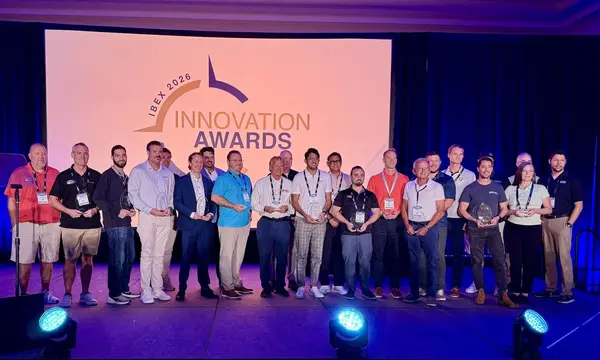
Propspeed's Foulfree Multi-Surface anti-fouling protection has won a 2026 IBEX Innovation Award in Boat Care and Maintenance, jointly with Spectrum Color.

Feadship’s AURORA artificial-intelligence research initiative has received Dutch maritime innovation funding for CFD-driven hull resistance prediction and optimisation.
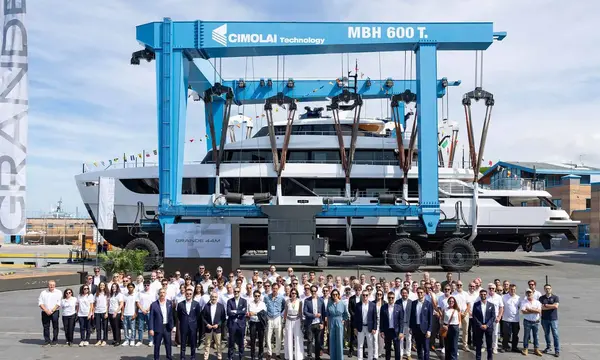
Azimut Grande 44M has won the Special Jury Award at the 2026 Innovation Route Awards during its Cannes Yachting Festival world debut.
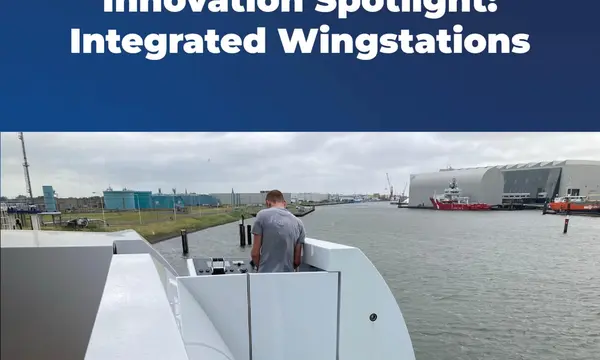
Akerboom Yacht Equipment examines integrated wingstations, machinery reliability and early equipment design choices in its fifth superyacht engineering report.
Superyacht Guide
Continue into the wider Superyacht Guide.
Business opportunities · Superyacht Guide
Companies serving the superyacht market can discuss clearly identified advertising, sponsorship and business-profile opportunities. Commercial activity remains separate from independent editorial coverage.