Company
ONE15 Marina Sentosa Cove
Explore the company profile and related Superyacht Guide coverage.
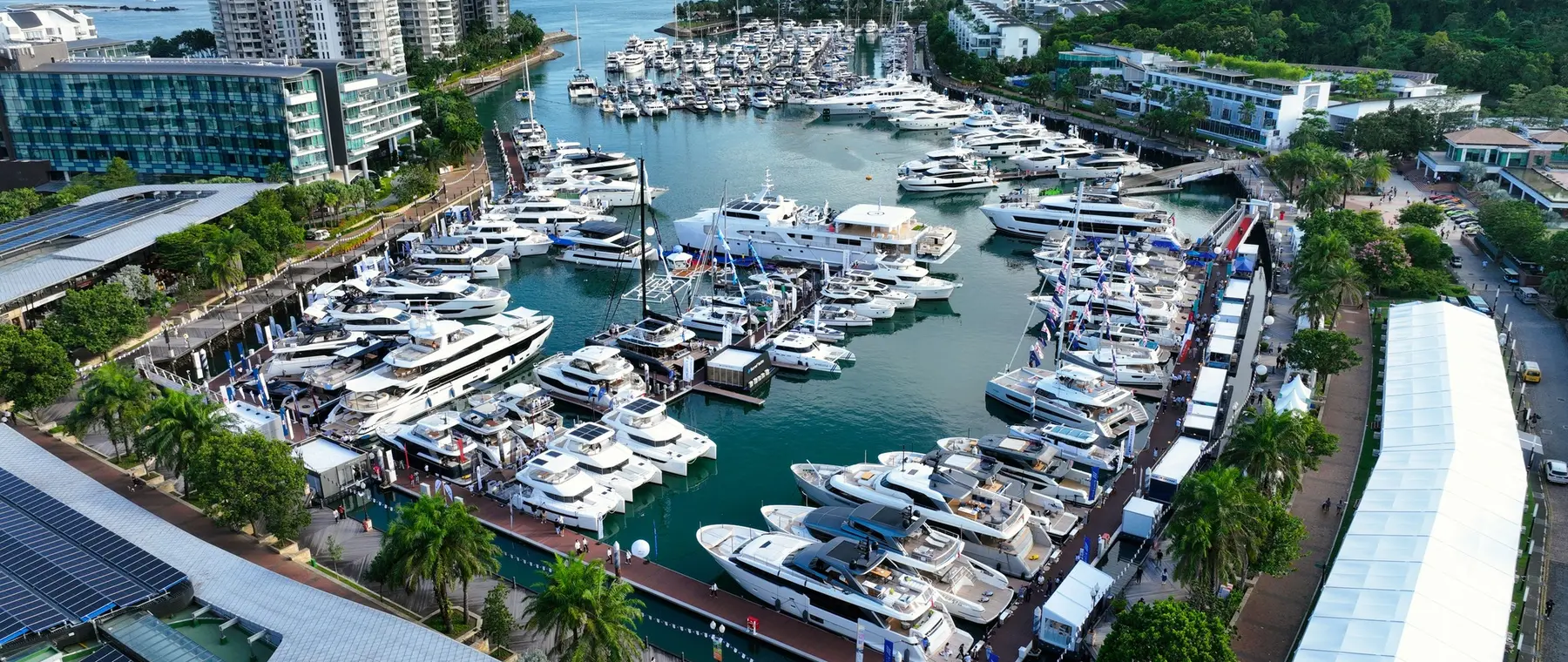
ONE°15 Marina Sentosa Cove has launched Singapore’s first 24/7 Customs, Immigration and Quarantine clearance service for pleasure craft and yachts, giving captains greater flexibility on international arrivals and departures.
Singapore has removed one of the timetable constraints facing yachts moving through one of Asia's most strategically important cruising crossroads. From 1 September 2026, ONE°15 Marina Sentosa Cove is operating Customs, Immigration and Quarantine clearance around the clock, becoming the first marina in Singapore to offer 24-hour CIQ processing for pleasure craft and yachts.
For a superyacht, the significance is practical rather than ceremonial. International arrivals and departures no longer have to be planned around a limited marina clearance window, giving captains greater flexibility when weather, passage speed, guest movements or an overnight crossing from neighbouring waters changes the yacht's expected time of arrival.
The development also strengthens Singapore's role as an operational waypoint between Malaysia, Indonesia and the wider Asia-Pacific cruising network. ONE°15 says it has facilitated more than 2,500 vessel clearances since resuming CIQ operations in June 2022, providing an established base from which the new round-the-clock system can operate.
An international yacht cannot treat crossing a national border in the same way as moving between two domestic marinas. Crew and guests have immigration requirements, the vessel has customs formalities, and the authorities may need information about the yacht, its voyage, its people and what is being carried aboard before normal cruising can continue.
Until now, those procedures could influence passage planning because the yacht needed to reach its clearance point when the relevant service was available. A delayed departure, slower-than-expected passage or weather change could therefore create an administrative problem even when there was no navigational difficulty reaching Singapore itself.
Round-the-clock clearance changes that calculation. ONE°15 Marina Sentosa Cove says yachts and pleasure craft can now clear into or out of Singapore at any time of day or night, giving captains more freedom to select an arrival time around the actual voyage rather than constructing the voyage around an office-hours constraint.
That flexibility is particularly relevant in Southeast Asia because many cruising movements are comparatively short international passages. A yacht may move between Singapore and Indonesia or Malaysia without undertaking a long ocean crossing, yet the international boundary means arrival and departure procedures remain necessary regardless of the distance travelled.
A service available throughout the night therefore has value even when the voyage itself is relatively short. It can allow an evening departure to become an overnight passage, reduce the need to slow down or wait offshore for a clearance window, and give the captain more room to respond when the original itinerary changes.
The new system is an extension of an existing facility rather than the creation of a clearance point from scratch. ONE°15 Marina Sentosa Cove has provided CIQ services for visiting pleasure craft for several years and says more than 2,500 vessel clearances have been processed since operations resumed in June 2022.
According to the marina, the move to 24-hour operation was developed in collaboration with Singapore's Immigration & Checkpoints Authority, with operating arrangements and security measures put in place to support continuous clearance without compromising border controls. That distinction matters because a marina can make the process easier for a yacht, but the underlying arrival and departure remain national border procedures rather than simply another concierge service.
For owners, the visible result should be a more flexible itinerary. For captains and agents, the important change is that Singapore's clearance infrastructure can now accommodate arrivals and departures outside the hours that previously shaped passage planning.
ONE°15's published pricing separates vessels at 80 feet, a dividing point that sits almost exactly at the beginning of Superyacht Guide's 24-metre superyacht definition. Eighty feet is approximately 24.4 metres, meaning most vessels falling within the superyacht fleet will sit in the marina's larger-vessel clearance category.
For the first six months of the new arrangement, ONE°15 is advertising promotional custom-clearance pricing valid from 1 September 2026 until 28 February 2027. For vessels over 80 feet, the published fee is SGD180 for marina members and SGD240 for non-members, with the marina stating that the figures include Singapore's 9 per cent GST.
For vessels at or below 80 feet, the corresponding promotional rates are SGD156 for members and SGD198 for non-members. ONE°15 also publishes a late-arrival charge of SGD55 for each 30 minutes or part thereof under the conditions attached to the booking, so captains and agents still need to follow the marina's booking procedures rather than treating 24-hour availability as an unrestricted walk-in service.
Those figures should be understood as the marina's published clearance charges rather than the complete cost of an international yacht call. Berthing, fuel, agency work, provisioning, cruising permissions and other services remain separate operational considerations, while an individual yacht may have additional regulatory requirements depending on its status, crew, passengers and intended programme.
Singapore's importance to superyachts has always been different from that of a Mediterranean resort destination. Owners may cruise through the region for its islands and remote anchorages, but Singapore's strength lies in transport connections, marine services, provisioning, administration and its position alongside some of the busiest sea routes in the world.
Superyacht Guide's recent examination of Asia-Pacific superyacht cruising identified Singapore as a location whose value comes primarily from capability. A yacht can use the city to reset an operation, change crew, receive guests, arrange technical support or provision before continuing towards Indonesia, Malaysia, Thailand and more remote cruising grounds.
Round-the-clock border clearance strengthens that role because customs and immigration efficiency is part of the infrastructure that separates a useful marina from a complete international yacht hub. A berth can accommodate the vessel physically, but a yacht operating between countries also needs the administrative machinery that allows its people and the yacht itself to enter and leave efficiently.
That relationship between infrastructure and administration is also central to what Superyacht Guide defines as a superyacht hub. Deep water, shore power and berthing remain important, but customs support, international transport, crew services, technical businesses and responsive authorities determine whether a location can support repeated high-value yacht operations rather than occasional visits.
Singapore already possesses many of those wider advantages. The new CIQ arrangement adds another piece of infrastructure that is less visible than a new berth or marina building but potentially more valuable to a captain deciding where an international itinerary can operate efficiently.
ONE°15 has explicitly linked the new service to increasing boating activity between Singapore, Malaysia and Indonesia. Those neighbouring cruising areas create an unusual operating environment in which attractive destinations are close together geographically but divided by international borders.
A yacht leaving Singapore for Indonesia may therefore travel only a modest distance before another national clearance process becomes relevant. The same applies in reverse when the vessel returns to Singapore, and repeated regional movements make efficient arrival and departure procedures more important than they would be for a yacht remaining inside a single country for an entire season.
The marina's wider network increasingly reflects that cross-border geography. ONE°15 operates and develops marina interests around Southeast Asia, and its current material positions Singapore as part of a regional cruising network rather than an isolated home port.
That is significant for the development of Asia-Pacific yachting because cruising regions become more attractive when the infrastructure between destinations is predictable. Owners may be drawn by remote islands and tropical coastlines, but captains still have to deal with fuel, berths, immigration, customs, provisions, crew changes and technical support as the yacht moves between them.
Superyacht itineraries frequently move for reasons that have little to do with the original passage plan. An owner may decide to leave a destination earlier, guests may change flights, weather can alter the most comfortable departure time, or a technical issue may delay a yacht by several hours.
When border clearance is available only during a restricted period, those small changes can propagate through the schedule. The yacht may need to remain alongside longer than intended, adjust speed during the passage or arrive and wait until the formalities can be completed.
Continuous CIQ coverage removes one of those variables at ONE°15 Marina Sentosa Cove. It does not eliminate the need to book correctly, submit required information or comply with Singapore's border controls, but it widens the window in which the process can take place from part of the day to the entire day.
For charter and private yachts alike, that can improve the connection between the yacht's operational schedule and guest travel. Singapore's international airport already makes the city a practical embarkation, disembarkation and crew-change point, and flexible marine border processing complements that air connectivity.
The introduction of 24/7 CIQ clearance will not by itself transform Asia-Pacific superyacht cruising. Distances remain large, suitable large-yacht infrastructure is unevenly distributed, and each country maintains its own immigration, customs, cruising and regulatory requirements.
What it does provide is a concrete improvement at one of the region's most strategically useful locations. From 1 September, an international yacht arriving at ONE°15 Marina Sentosa Cove can plan around tides, weather, passage conditions and the owner's schedule with less concern about whether the marina's clearance facility will be open when it reaches Singapore.
For ONE°15, it builds on more than four years of renewed CIQ operations and thousands of completed vessel clearances. For Singapore, it strengthens the combination of marine infrastructure and administrative capability that makes the city important to yachts travelling between Southeast Asian cruising grounds.
The change is comparatively simple to describe, but its operational effect is meaningful. For a superyacht captain managing an international itinerary, removing a fixed clearance window eliminates one more scheduling constraint from a region where border formalities can be as important to passage planning as distance, fuel and weather.
Explore
Go deeper into the yachts, companies, events and destinations directly connected to this article.
Company
Explore the company profile and related Superyacht Guide coverage.
Continue reading
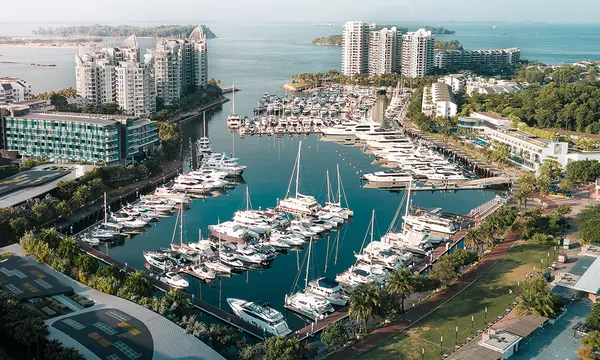
ONE°15 Marina Sentosa Cove now offers round-the-clock Customs, Immigration and Quarantine clearance for pleasure craft and yachts entering or leaving Singapore.
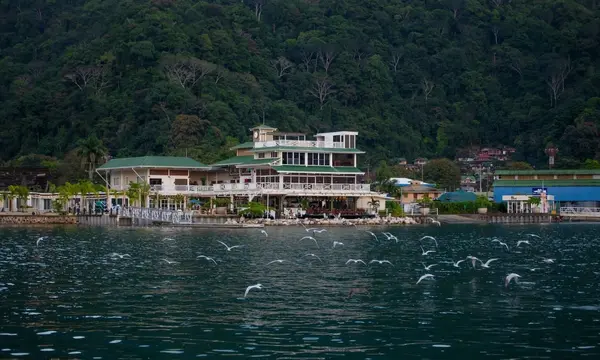
Marina Bahía Golfito highlights prospective customs, port services, road access and research facilities in Costa Rica before FLIBS 2026.
Superyacht Customs and Immigration: How Border Clearance Works International yacht clearance normally combines vessel declarations, crew and passenger information, customs formalities, immigration and health …
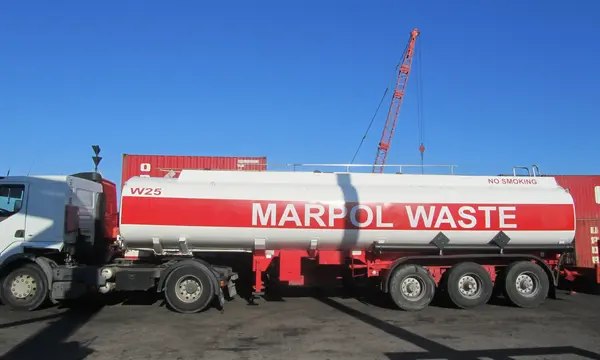
How wastewater, greywater and environmental compliance affect superyacht cruising, from holding tanks and treatment plants to ports and refits.
Superyacht Guide
Continue into the wider Superyacht Guide.
Business opportunities · Superyacht Guide
Companies serving the superyacht market can discuss clearly identified advertising, sponsorship and business-profile opportunities. Commercial activity remains separate from independent editorial coverage.