
Hong Kong and Yacht Club de Monaco Sign SKYTOPIA Yacht Bay MoU
Airport Authority Hong Kong and the Yacht Club de Monaco have signed a memorandum of understanding concerning the planned SKYTOPIA Yacht Bay, a major …
Superyacht refit specialists speaking at the Fort Lauderdale International Boat Show have urged owners, managers and shipyards to settle specifications earlier and communicate more clearly when works change. A report released on 9 November 2026 recounts a RefitX panel chaired by SuperYacht Times editor Francesca Webster, including contributions from Arrow Monaco chief operating officer James Allen and Benjamin Riddle of Derecktor Shipyards. The central concern was not the availability of a single repair technique but the coordination of decisions before a large yacht arrives for a tightly scheduled yard period.
Superyacht refit specialists speaking at the Fort Lauderdale International Boat Show have urged owners, managers and shipyards to settle specifications earlier and communicate more clearly when works change. A report released on 9 November 2026 recounts a RefitX panel chaired by SuperYacht Times editor Francesca Webster, including contributions from Arrow Monaco chief operating officer James Allen and Benjamin Riddle of Derecktor Shipyards. The central concern was not the availability of a single repair technique but the coordination of decisions before a large yacht arrives for a tightly scheduled yard period.
Allen recommended beginning preparations at least six months before arrival and, where practical, as much as a year ahead. This is professional advice from a panel participant rather than a new legal deadline or an obligation that applies to every yacht. Refit projects differ widely in their scale, from limited maintenance interventions to work involving structural modification, complete interior renewal or major machinery replacement. Yet the common theme is that unclear instructions and late decisions make it harder for shipyards to price work, reserve materials and allocate specialist trades with confidence.
A superyacht refit seldom consists of one isolated job. An owner may request upgraded connectivity, new décor, improved refrigeration, additional guest facilities and changes to a tender-handling arrangement while engineers attend to machinery surveys. Each decision can affect the timing and access requirements of another contractor. A new interior surface may need to be removed if an electrical cable route changes late, while a technical modification may require approval before adjacent joinery can be completed. Coordination is therefore a real engineering requirement, not simply an administrative preference.
The most useful early document is a defined scope of work specifying what will be changed, the standard expected and who can approve deviations. Vessel managers can then establish which tasks are essential for safety and certification, which are operational improvements and which are discretionary owner requests. This distinction helps when budgets or schedules tighten. It also reduces the risk that a yard's quotation is later portrayed as deficient because an owner expected unrecorded work to be included. The objective is not to prevent changes, but to make their consequences visible before approval.
Allen's comments at RefitX placed particular emphasis on giving the yard enough information to produce credible quotations. A vessel's machinery records, refit history, technical drawings, service reports and proposed interior details are all useful inputs. Without them, contractors may need to allow large contingencies or exclude uncertain work from their initial pricing. An apparently inexpensive quote is not necessarily the best value if it omits tasks that become unavoidable after the yacht is opened up. Owners should read quotation exclusions and assumptions as carefully as the headline total.
For example, replacing a major component may require lifting gear, temporary removal of adjacent equipment, replacement foundations, engineering tests and later reinstatement of finishes. The part itself may be only one element of the final bill. A good project specification identifies dependencies and the points at which additional inspections are required. Where the scope remains uncertain, owners can seek a clear procedure for provisional sums, change orders and documented sign-off. This is a general practical implication of the panel's advice, not a claim that any named yard or yacht mishandled its accounts.
Benjamin Riddle, a senior project manager at Derecktor's Dania operation, described the difficulty of predicting every condition before equipment is removed or structures are opened. Even a vessel with a well-maintained record can reveal corrosion, installation issues or a problem hidden behind panels. Discoveries can affect the critical path because a specialist may need to reassess work, order replacement materials or secure surveyor approval. A realistic schedule should therefore distinguish known work from investigation-dependent tasks, rather than promise certainty where none exists.
The response matters as much as the discovery. The yard should communicate what has been found, why it matters, the available remedies and the likely effect on cost and completion. Owners or their authorised representatives then need a workable route for choosing among options. A decision to proceed with extra work may be entirely sensible, but its cost and timing should be recorded. Conversely, deferring non-critical work can be appropriate if survey requirements and operational safety are not compromised. Clear records help prevent an understandable technical variation from becoming a commercial dispute.
An early start allows yacht managers to consult classification surveyors, contractors and designers while parts and specialist labour can still be reserved. Some components have long manufacturing or delivery lead times, and bespoke materials may require samples or owner approval. Work involving paint systems, structural steel, advanced electronics or refrigeration plants may depend on conditions and sequencing that cannot be compressed indefinitely. Booking a shipyard slot is therefore only one part of preparing for a successful refit. The upstream design and procurement work can be equally important.
Not every project requires a year of preparation. A short, straightforward maintenance visit with complete records can be organised on a different timetable from a major conversion involving several technical disciplines. Allen's proposed window is best understood as an indication of the advantages of early involvement, not a universal rule. A manager should set the lead time according to the project's complexity, the availability of suitable yards and the yacht's charter or cruising commitments. That approach is more credible than imposing a single schedule on vessels with very different needs.
The 9 November SuperYacht Times report cites data from its own intelligence database showing more than 2,600 yard visits by yachts over 30 metres in 2025, an increase of roughly 18 percent from 2024. It also reports that the United States accounted for approximately 24 percent of recorded global refit visits in 2025. These are the publisher's dataset measurements, not an independent government count of all yards or a tally of unique yachts. One yacht may make multiple yard visits, and the coverage of individual locations can influence the result.
Even with those limitations, a rising count of recorded refit visits is consistent with growing pressure on planning and contractor capacity. The comparison should not be mistaken for a corresponding increase in completed profit, average project value or new yacht deliveries. Different vessel lengths also create different patterns of work. A 35-metre yacht seeking routine servicing and a 90-metre vessel undertaking extensive structural changes may both appear in the visits data, although the resources and time required are not comparable. Owners need operationally specific information when assessing their refit choices.
A high-quality refit should deliver more than a repaired vessel and a final invoice. The owner and crew need updated system diagrams, test reports, supplier contacts, equipment manuals, warranty information and a record of modifications. Without accurate handover documentation, the following engineering team may have to rediscover where equipment was installed or which specification was accepted. This creates avoidable costs during future repairs and may complicate warranty discussions. The most effective projects treat the final document package as part of the work rather than an optional administrative extra.
Digital planned-maintenance records can help, provided that information is complete, accessible to authorised crew and kept under appropriate control. The value lies in tracing a component from reported condition through inspection, purchase, installation and subsequent testing. A software platform alone does not guarantee that this chain is maintained; human discipline and consistent responsibility remain necessary. RefitX's discussion illustrates why accurate information sharing is an organisational capability as much as a technology purchase. It becomes particularly valuable when crew members, yacht managers or service providers change.
Organisers have already signalled a larger RefitX forum alongside the 2027 Fort Lauderdale show. The 2026 discussions offer an early agenda for owners and yards: agree specifications, obtain realistic quotations, record assumptions, set a route for variations and keep decision-makers available during the works. Skilled labour remains important, as a separate RefitX session on recruitment and training highlighted, but an adequate workforce cannot rescue a project if components, design approvals or owner instructions arrive too late. Planning and capacity must reinforce each other.
The latest report does not show that every delay is preventable or that the panel's recommendations have been adopted industry-wide. Nor does it disclose the cost or outcome of any specific owner project. Its significance lies in bringing practical yard experience into the discussion at a time when the global superyacht fleet is placing continuing demands on repair and conversion facilities. For the professionals responsible for a yacht's availability, a refit that begins with honest information and consistent communication is more likely to offer a manageable timetable than one built around optimistic assumptions.
Reporting source: original announcement; corroborating source: additional first-party or industry material. Report dated 9 November 2026. Announcements and operating plans may change; editorial interpretations are distinguished from confirmed facts.
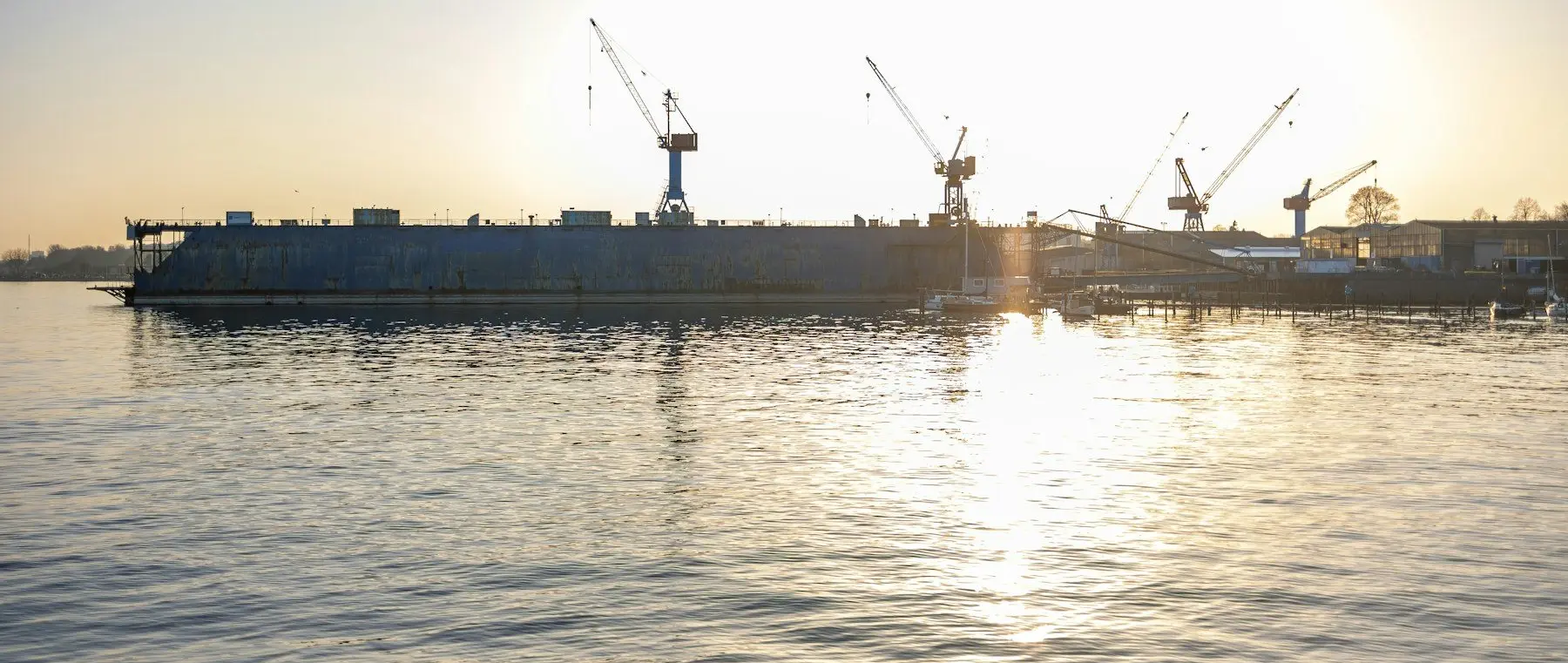
Editorial photograph: photographer and original image — Marvin Radke / Unsplash License; September 2025 industrial shipyard in Kiel; illustrative only, not a FLIBS RefitX panel or named yacht. Cropped and resized under the Unsplash License. Illustrative photograph only; it does not show the 2026 event or named product.
Continue reading
Airport Authority Hong Kong and the Yacht Club de Monaco have signed a memorandum of understanding concerning the planned SKYTOPIA Yacht Bay, a major …

D-Marin has announced an agreement to acquire Marina Genova, bringing the premium-marina group's stated portfolio to 30 locations in nine countries, subject to the …

Ocibar Group has set out how its network of Mediterranean marina interests is intended to serve owners and crews with different cruising requirements, in …
The 2026 Fort Lauderdale International Boat Show concluded on 1 November after five days of yacht displays, brokerage activity and product introductions across the …
Superyacht Guide
Continue into the wider Superyacht Guide.
Business opportunities · Superyacht Guide
Companies serving the superyacht market can discuss clearly identified advertising, sponsorship and business-profile opportunities. Commercial activity remains separate from independent editorial coverage.