
Oceanco Brings Material Intelligence and Ocean Assist to METSTRADE 2026
Oceanco's Amsterdam programme links yacht-interior material intelligence, environmental adoption, World Boating Day 2027 and positive ocean impact.
Ritz Carlton Yacht Collection official 2026 press-release yacht exterior photograph
The Ritz-Carlton Yacht Collection appoints Alan Leibman CEO and Tatiana Ferreira president as it reorganises commercial, technology and guest-experience roles.
The Ritz-Carlton Yacht Collection has appointed Alan Leibman as chief executive officer and Tatiana Ferreira as president, creating a new leadership structure for the luxury yacht-hospitality business. The appointments were announced in Fort Lauderdale on 9 November 2026 and bring an experienced global hotel executive together with a company leader who has already overseen commercial activity within the collection. The announcement comes as the operation describes a three-yacht fleet sailing internationally and seeks to strengthen the combination of destinations, onboard services and personal hospitality that distinguishes its product. The vessels are larger and more accommodation-focused than a privately commissioned superyacht, but the executive changes remain relevant to the wider luxury yacht industry because they show how a branded maritime operator is organising its sales, guest-experience and operating priorities.
Leibman has more than three decades of international luxury hospitality experience, according to the company's official statement. He was already a member of the Yacht Collection's board before being appointed CEO. Earlier in his career he became The Ritz-Carlton's youngest general manager at the age of twenty-five, later leading major hospitality businesses including Kerzner International, the owner of Atlantis and One&Only brands. His professional background has involved multiple continents and the management of complex high-end hotel operations. The company presents his appointment as a way to bring long-term hospitality leadership to a maritime product that operates differently from both a resort and a conventional cruise line. That positioning is part of the company's stated strategy, not an independently verified promise of future commercial performance.
Tatiana Ferreira previously served as chief sales officer of The Ritz-Carlton Yacht Collection and has now been appointed president. The company says her responsibilities will continue to include commercial and sales activities while expanding to encompass information technology, marketing and guest experience. This is a significant combination of functions because the customer journey in luxury travel begins before boarding and continues after a voyage ends. A change in leadership structure does not automatically improve service, but it can alter how decisions are coordinated. The business is placing client acquisition, communications, technology and the onboard or travel experience under one executive line of responsibility rather than treating them as wholly separate concerns.
The Ritz-Carlton Yacht Collection operates branded luxury passenger vessels rather than offering exclusively private owner-operated superyacht charters. Its ships carry a greater number of guests and use a hospitality model informed by the wider Ritz-Carlton brand. That distinction should be clear when considering its relevance to a superyacht audience. The business competes for the time and spending of people attracted to maritime luxury, and the service expectations it sets can influence the environment in which yacht owners and charter guests make choices. However, its operational regulations, guest numbers and business model should not be casually conflated with those of a thirty-metre or seventy-metre private yacht. The leadership news is about a neighbouring luxury maritime business, not a change to private yacht registration rules.
The official announcement refers to a three-yacht fleet operating globally. The company's published fleet includes Evrima, Ilma and Luminara, with the programme reflecting an expansion from the original vessel into a larger operation. Those vessels illustrate why a management structure designed around a single launch may need to evolve as the fleet becomes more complex. Different itineraries, international port calls and guest profiles create demands across sales, services, procurement and communications. The company has not stated in this announcement that a fourth vessel has been ordered or that a specific new route will commence because of the appointments. The verifiable change is the leadership structure overseeing its current programme and future development.
A hotel executive can bring substantial experience in service design, staffing and consistent delivery across international locations, but a yacht operation presents additional maritime constraints. A voyage timetable, port services and safety requirements can affect what guests experience in ways that differ from a stationary resort. Leibman's experience with luxury hotel brands is therefore relevant without being a substitute for marine technical management. The collection will still rely on qualified maritime professionals to operate its vessels safely. A successful luxury product must align hospitality planning with the realities of ship operation, crew management and destination access. The leadership announcement indicates an emphasis on guest experience, but it does not disclose a new operational system or a technical change to the yachts.
The appointment gives Ferreira a wider portfolio that includes the commercial relationships through which luxury voyages are sold. Travel advisers and other distribution partners can be important in explaining a maritime product that prospective guests may not have experienced before. The collection's statement refers to deep relationships across the luxury travel community and continued work on commercial reach. A company can invest heavily in vessel interiors and hospitality without achieving the desired occupancy or revenue if clients cannot readily understand or book its product. Bringing marketing, sales and guest experience into a connected structure may support a more consistent account of what the voyages offer. That is a potential management benefit, not a confirmed change in booking numbers.
One notable element of the new structure is the explicit inclusion of information technology under Ferreira's leadership. For a hospitality business operating internationally, technology can influence booking systems, customer records, communications and the coordination of services before and during travel. The statement does not identify a particular software replacement, artificial-intelligence project or proprietary platform launch. It is therefore important not to invent one. The verified point is organisational: IT has been placed alongside marketing, sales and guest experience in the president's portfolio. This reflects the role of digital systems in delivering the wider customer journey without providing evidence that specific technology investments have already been approved.
Leibman's connection to The Ritz-Carlton reaches back to his early career. The company describes the new role as a homecoming for an executive who became one of the brand's youngest senior hotel managers. After holding leadership positions at Kerzner International, he served as an adviser in hospitality and travel and was involved with the Yacht Collection's board. This experience may help explain why the owners selected him to lead the next phase, although the announcement does not disclose a competitive recruitment process or alternative candidates. The most defensible reporting concerns the career history the company provided and the responsibilities now assigned to him, rather than speculation about internal debates preceding the appointment.
Jim Murren, executive chairman of the Yacht Collection's board, linked the new leadership structure to the need to deliver distinctive, highly personalised experiences to demanding luxury travellers. His statement emphasised Leibman's familiarity with the business and Ferreira's commercial relationships. Marriott International's president and CEO Anthony Capuano also expressed support for the collection's place within the Ritz-Carlton brand. These are company and partner perspectives rather than independent measures of guest satisfaction. The editorial significance is how management describes its priority: not simply operating more berths, but attempting to maintain a recognisable hospitality identity as the fleet develops.
The release does not set out a new vessel construction contract, a completed acquisition or a specific financial target for the coming year. It also does not provide audited booking figures demonstrating that the appointments have already changed demand. Those omissions are not criticisms; they define the scope of the news. Leadership changes are meaningful because they determine who is responsible for decisions, but their outcomes can only be measured over time. Investors, suppliers and travel advisers will need to monitor subsequent company announcements for concrete changes to itineraries, distribution or fleet development. Presenting future aspirations as completed business results would be misleading.
Although branded yacht collections and private superyachts have different models, both rely heavily on service quality, logistics and trust. Large private yachts often have a dedicated management company coordinating safety, provisioning, crew and owner requirements. A hospitality fleet adds large-scale commercial distribution and a recurring guest programme. The Ritz-Carlton appointments illustrate one way to integrate commercial priorities with the overall guest experience, while retaining a separate need for maritime operational competence. This does not imply that private yachts should copy the structure directly. It does show why the luxury maritime industry increasingly considers the entire client experience rather than treating the onboard product in isolation.
As the number of vessels increases, operators may face challenges in delivering a consistent service while preserving the individual character of each voyage. The official announcement references a three-yacht fleet, so any discussion of further expansion must remain conditional. Staff recruitment, training, supply chains and coordination with port authorities can become more complicated when voyages overlap in multiple regions. A central leadership structure may help set priorities, but successful implementation depends on decisions made at vessel level as well. Guests see the quality of service delivered by crew, not the internal titles on an organisation chart. This is why leadership news matters even when no new ship is launched.
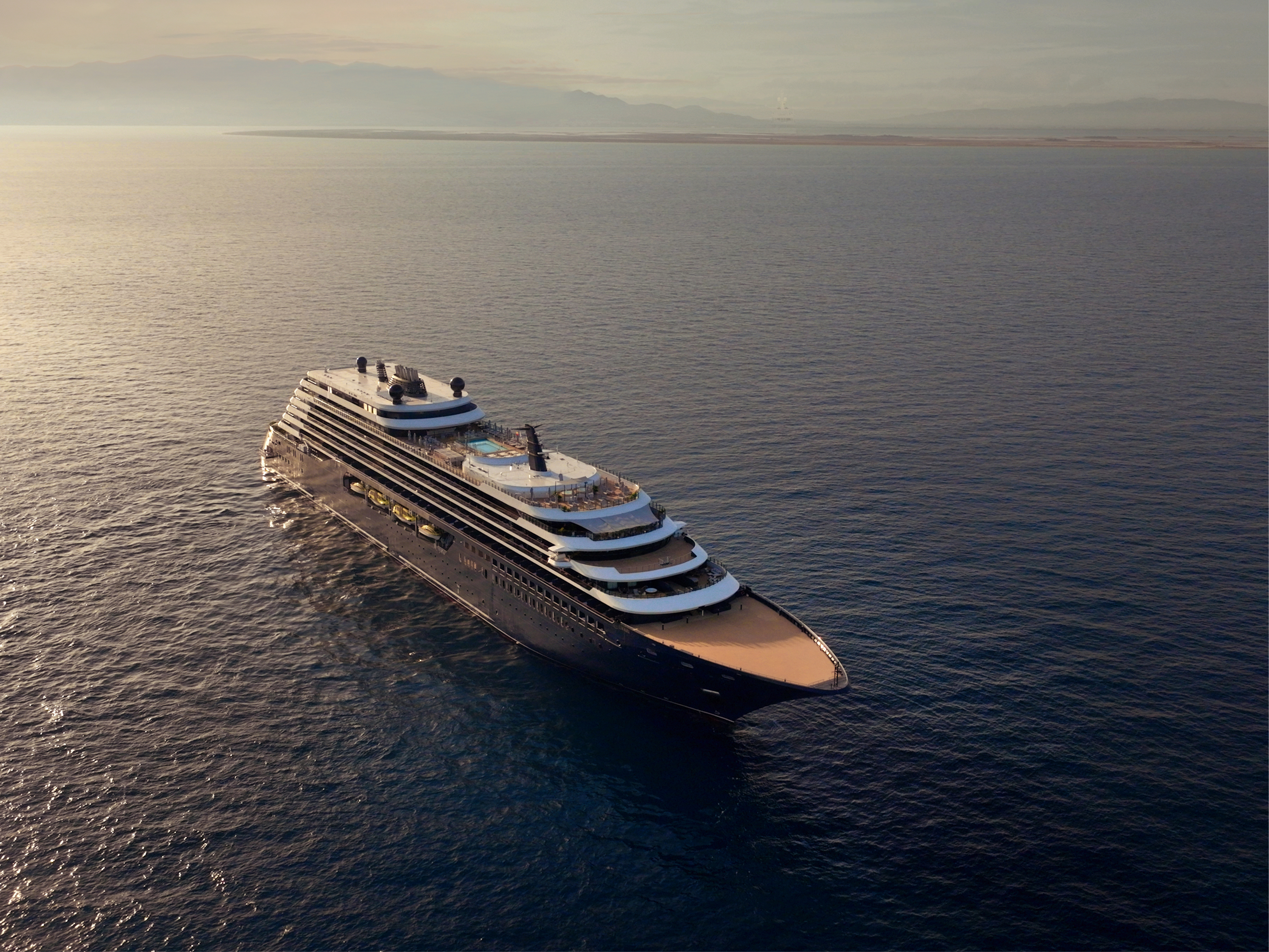
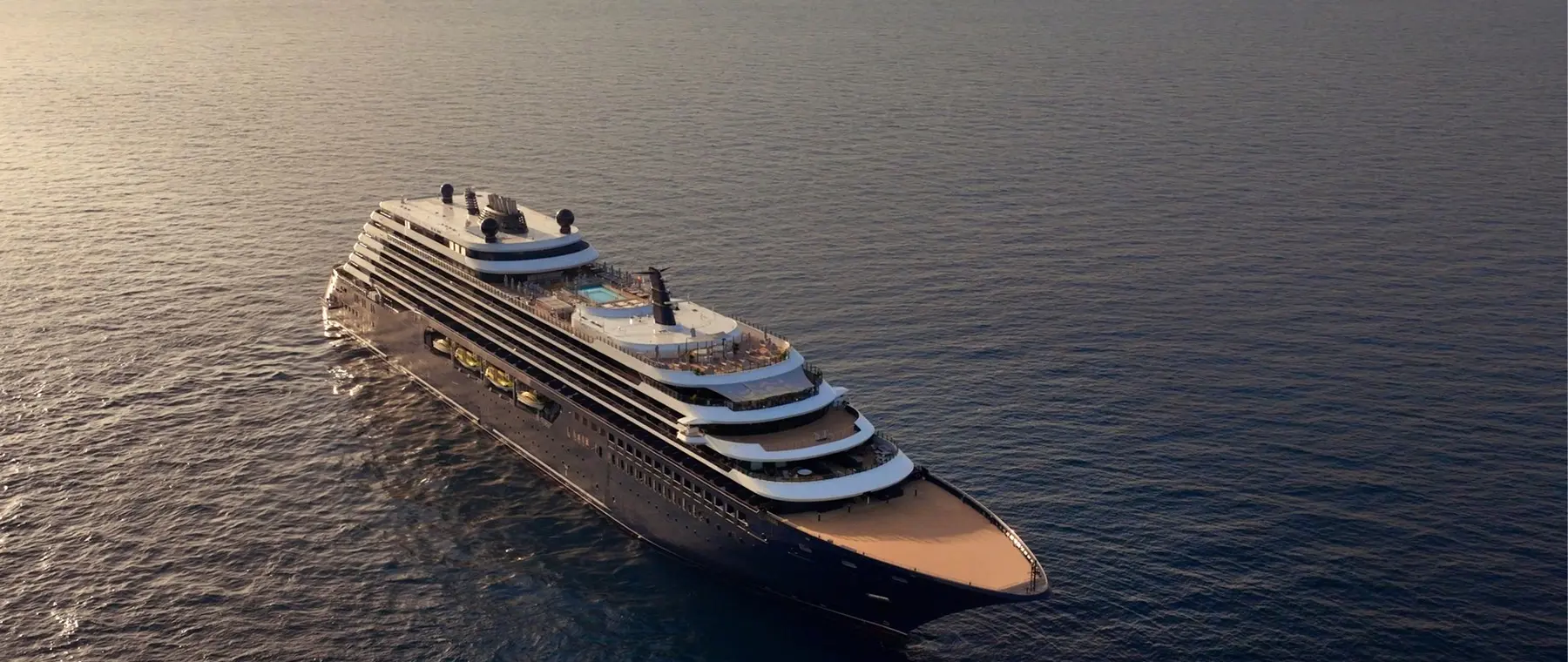
The article's lead photograph is an official Ritz-Carlton Yacht Collection exterior image supplied on the organisation's own November 2026 leadership-announcement page. It depicts one of the operator's yachts and is used to illustrate the maritime business, not to claim that the image portrays the new executives. The company retains the original photographic rights, and the published article will link to the official source and provide attribution. The details about the executive appointments, career histories and duties come from the company's original 9 November 2026 statement, corroborated by the public press-distribution release. No stock or generated yacht photograph is substituted.
The concrete development is that Alan Leibman has become chief executive of The Ritz-Carlton Yacht Collection and Tatiana Ferreira has moved into the president's role with a wider remit. Their backgrounds help explain the decision, and the reorganisation shows an emphasis on connecting guest experience, commercial strategy and technology. The company's three-yacht fleet provides the immediate context. Future performance, investment and guest demand remain matters to be assessed through later evidence, not assumed from the announcement. For the wider yachting industry, the appointments offer a useful example of how a luxury maritime operator is adapting its management as it seeks to serve international customers with increasingly high expectations.
Primary source: The Ritz-Carlton Yacht Collection — original official leadership press release, 9 November 2026.
Photo: The Ritz-Carlton Yacht Collection, original corporate yacht exterior photograph supplied on its 9 November 2026 executive appointments release. Official source.
Continue reading
Oceanco's Amsterdam programme links yacht-interior material intelligence, environmental adoption, World Boating Day 2027 and positive ocean impact.

Metstrade honours Wes Moxey for lifetime boatbuilding leadership and names Ione Astondoa and Kaloyan Radulov as 2026 Rising Stars in Amsterdam. at RAI.
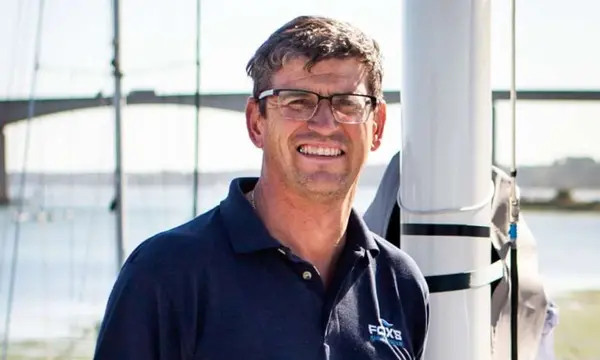
Fox's Marina & Boatyard has named Mike Laker managing director from January 2027 and appointed Andrew Coulthurst to lead commercial and production work.

Seaview has appointed Kent Group to distribute and support its marine-electronics mounts and cable seals in Europe, announced at METSTRADE 2026.
Superyacht Guide
Continue into the wider Superyacht Guide.
Business opportunities · Superyacht Guide
Companies serving the superyacht market can discuss clearly identified advertising, sponsorship and business-profile opportunities. Commercial activity remains separate from independent editorial coverage.