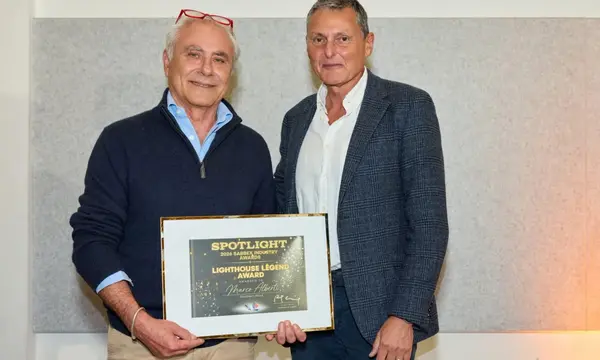
Southern Wind Chief Executive Marco Alberti Receives Lighthouse Legend Award
Southern Wind reports Marco Alberti’s Lighthouse Legend recognition at the 2026 South African boatbuilding awards, honouring his long industry career.
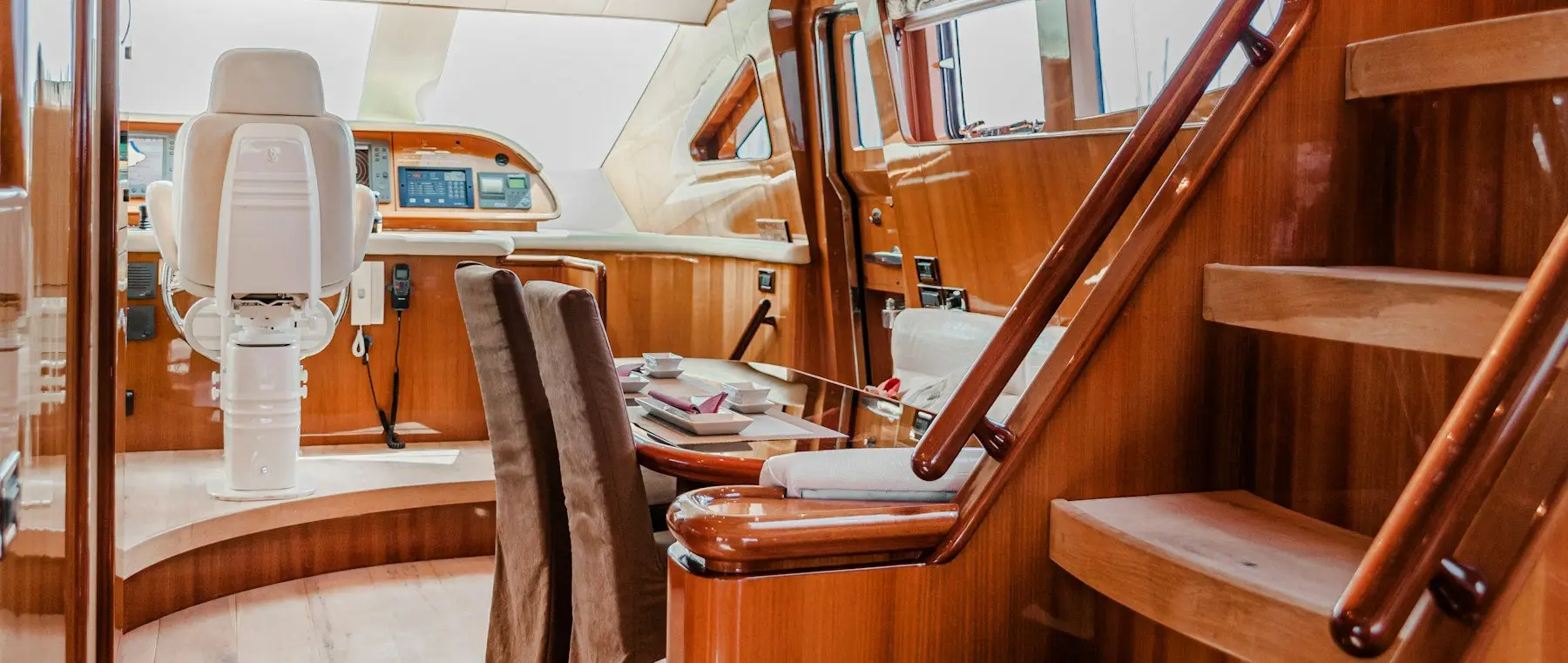
Frames For Your Heart / Unsplash License; illustrative yacht interior in Torrevieja, Spain, photographed 2020; not a Romital product or Monaco Yacht Show installation
Yacht interior specialist Romital has outlined its contribution to the Water Revolution Foundation's Monaco Yacht Show installation in a newly published interview, placing the choice and durability of materials at the centre of the discussion. In comments reported by PressMare on 8 November 2026, chief executive Alexandru Mico described the company's upholstered-furniture expertise, its coordination of other partners and the importance of considering a product's environmental characteristics before a design becomes fixed. The interview provides a current account of the work behind an installation first presented at September's show, not a claim that a new yacht or a commercial product was launched in November.
Yacht interior specialist Romital has outlined its contribution to the Water Revolution Foundation's Monaco Yacht Show installation in a newly published interview, placing the choice and durability of materials at the centre of the discussion. In comments reported by PressMare on 8 November 2026, chief executive Alexandru Mico described the company's upholstered-furniture expertise, its coordination of other partners and the importance of considering a product's environmental characteristics before a design becomes fixed. The interview provides a current account of the work behind an installation first presented at September's show, not a claim that a new yacht or a commercial product was launched in November.
The Water Revolution Foundation separately lists Romital among the contributors to its 2026 stand through the Smart Interiors Horizon committee. That organiser record corroborates the company's involvement in a collaborative design exercise rather than demonstrating that every material shown has a completed environmental assessment. For a superyacht owner or designer, the distinction matters: the exhibition offered a platform for exploring alternatives and technical conversations, while the suitability of any component still depends on its particular specification, construction, maintenance requirements and evidence of performance onboard.
Mico told PressMare that Romital brought experience in high-quality upholstered furniture and made-to-order interior elements, with work extending beyond fabrication into the coordination of participating companies and logistical arrangements. That is a wider contribution than providing a finished sofa or chair for display. A collaborative yacht-interior project may involve designers, manufacturers, material producers and specialists responsible for different elements, each working to technical requirements that must be reconciled before a concept can become a practical installation.
Coordination does not mean Romital designed every item on the foundation's stand or manufactured every component contributed by other partners. The company's own description emphasises the task of translating design intent into appropriate upholstered pieces and helping the project team work together. The foundation's published contributor list includes a number of separate organisations, and their individual roles should not be collapsed into one contractor. That makes the recent interview useful as an account of one participant's responsibilities, rather than an unsupported claim of sole authorship.
One recurring theme in the interview is the need to consider material choices at the beginning of a project. This has practical significance for yacht interiors because a fabric, filling, adhesive or substrate is not selected only for its colour and texture. Designers must consider how it behaves during installation and use, how it is cleaned and repaired, and whether the manufacturer can document properties required by the project. A material that looks compelling in a showroom may create difficulties when exposed to frequent cleaning, movement, moisture or the specialised constraints of an ocean-going vessel.
Early discussion can help avoid a costly mismatch between a designer's visual concept and what production or technical teams can deliver. It does not remove the need for formal approvals later in the process. Depending on location and application, an interior component may be subject to fire-safety, structural or other requirements, and those cannot be waived by describing the component as sustainable. The interview should therefore be read as support for integrated planning rather than proof that a specific unnamed material is approved for every use aboard a superyacht.
Romital's chief executive connected more responsible interiors with the durability of products and the ability to repair or replace individual elements. These ideas are relevant to long-lived yachts where furnishings may be maintained through multiple cruising seasons, refits and ownership changes. A surface that lasts longer, can be repaired or allows a worn component to be replaced may offer operational advantages over an arrangement that demands extensive removal. However, a longer service life is not itself an independently quantified environmental benefit unless materials, energy use and other impacts are considered together.
The practical assessment begins with questions a project team can document. Are replacement coverings available? Can an upholstered section be removed without damaging surrounding joinery? Are cleaning instructions clear and spare materials traceable? Can a component be inspected and repaired by suitable technicians? The answers determine how readily an owner can maintain the interior over time. A manufacturer's statement of intent is valuable context, but each yacht's maintenance plan should be based on the actual specification, warranty and experience of installed materials.
During the interview, Mico discussed the potential value of a shared material bank for designers and manufacturers. He described it as a possible tool for identifying appropriate options earlier in the development process and improving collaboration. This is a proposal and aspiration, not confirmation that a comprehensive, independently certified database is already available to the entire yachting market. That distinction prevents an interesting professional idea from being presented as a newly launched public technical standard.
A useful material reference would need more than attractive samples. Designers should be able to identify a product's origin, composition, appropriate applications, cleaning and repair needs, availability and relevant test documents. Environmental claims also need a declared method and boundaries so that products can be compared responsibly. Different materials can perform differently under abrasion, humidity or repeated cleaning, and no single score would capture every project requirement. The interview opens a conversation about organising information; the development, governance and scope of any future bank remain to be established.
The Water Revolution Foundation's official Monaco Yacht Show programme confirms that Smart Interiors Horizon helped create its stand, with contributors from several areas of interiors and yacht outfitting. The foundation positioned the installation within a broader sustainability initiative, using the September exhibition to engage owners, builders, designers and suppliers. Romital's November interview revisits how one participant approached the collaboration. The timing is important: the recent news is the additional first-hand explanation, while the installation itself belongs to the September 2026 show.
An industry showcase can bring specialists together who might otherwise become involved in a project only after major design choices are settled. Upholstery, stone, lighting, timber and other interior components interact in the final arrangement, and better communication can help resolve constraints while alternatives remain available. It would be premature, however, to claim that the foundation's exhibition has already transformed procurement across the superyacht industry. No published data in the interview establishes fleet-wide adoption, savings or reduced emissions resulting from the display.
Mico described the relationship between creative vision and manufacturing experience as central to Romital's approach. Bespoke yacht interiors often depend on craftspeople solving detailed junctions, fastening methods, maintenance access and the practical handling of complex shapes. The finished result must feel consistent with a designer's intentions while remaining serviceable aboard a moving vessel. Sustainability discussions become more credible when they are embedded in that technical process rather than treated as labels applied after a design has been approved.
Responsible sourcing is similarly complex. A supplier may provide information about material origin, renewable or recycled content, manufacturing methods and treatment chemicals, but claims require enough supporting detail to be checked. A component containing recycled inputs is not automatically preferable in every installation if its durability or repair route is unsuitable. Conversely, a conventional-looking construction may offer a long and maintainable service life. The interview encourages more informed choices without providing comparative lifecycle studies that would justify declaring any one material universally superior.
An owner reviewing a new interior or refit proposal can use the interview as a prompt for specific procurement questions. What is the expected use of a component, and which test documents support its suitability? Can sections be dismantled for repair? Are replacement materials available over a plausible service period? Who takes responsibility for installation, cleaning advice and warranty support? These questions are especially relevant when multiple subcontractors contribute to one integrated arrangement. Clear documentation can prevent ambiguity after delivery and during later refits.
Shipyards and management teams may also want a transparent record of which parties supplied and installed each element. Such records help identify the responsible organisation if a component fails or needs replacement. They do not guarantee that a claim of sustainability is accurate, but they support accountability and make later verification possible. The recent Romital interview offers practical themes rather than a new regulation or mandatory certificate. Readers should still obtain project-specific evidence directly from the supplier and the yacht's technical team before deciding on materials.
The first-hand comments published on 8 November place Romital's work in the context of the Water Revolution Foundation's wider push for more thoughtful yacht interiors. They confirm a collaborative role and identify subjects worth investigating: early material selection, partner coordination, durability, repairability and a possible shared reference bank. They do not disclose a new certified product range, quantify carbon savings or announce a binding industry requirement. Nor should the September display be republished as if it had just opened. The interview's value is that it explains the process behind the earlier exhibit.
For the superyacht sector, where highly customised interiors must work for owners and crew over many years, the challenge is turning general environmental ambition into specific design and procurement decisions. Romital's account suggests that manufacturers and designers may benefit from talking earlier and keeping maintenance in view. The next meaningful development would be published methods, usable material information or completed examples with evidence of performance. Until then, the November discussion is a credible contribution to the industry's debate, with its limits clearly identified.
First-hand published interview: 8 November 2026 interview; corroborating foundation programme: additional first-party or industry material. Report dated 9 November 2026. Announcements and operating plans may change; editorial interpretations are distinguished from confirmed facts.
Editorial photograph: photographer and original image — Frames For Your Heart / Unsplash License; illustrative yacht interior in Torrevieja, Spain, photographed 2020; not a Romital product or Monaco Yacht Show installation. Cropped and resized under the Unsplash License. Illustrative photograph only; it does not show the 2026 event or named product.
Continue reading
Southern Wind reports Marco Alberti’s Lighthouse Legend recognition at the 2026 South African boatbuilding awards, honouring his long industry career.
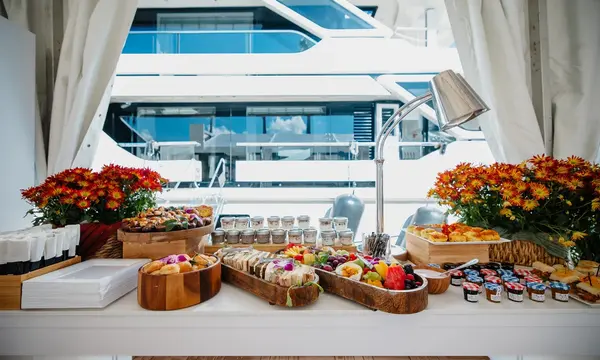
FGI Yacht Group announces a partnership with flyExclusive, linking yacht brokerage and charter clients with private aviation and amphibious transfers.
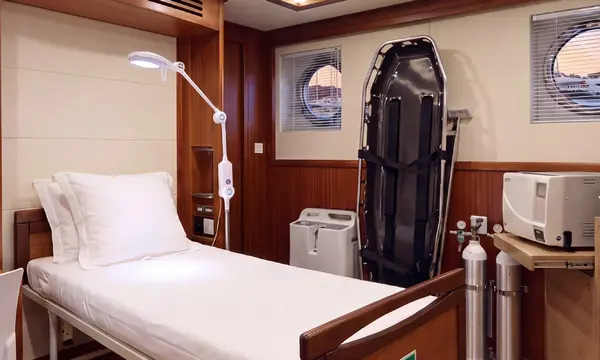
ANP Pharma will exhibit tailored medical stores and replenishment services in the METSTRADE Superyacht Zone, addressing vessel-specific procurement needs.
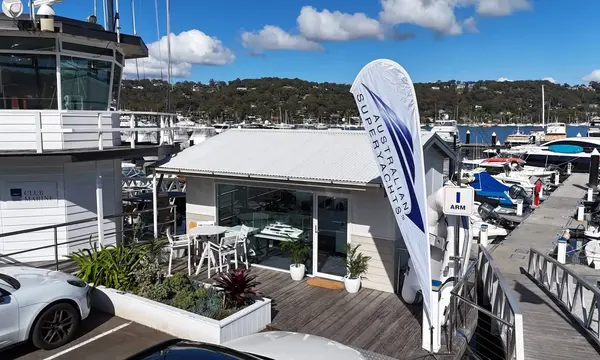
Australian Superyachts has established a long-term base at Royal Motor Yacht Club Newport, linking Sydney's Northern Beaches with its east-coast agency services.
Superyacht Guide
Continue into the wider Superyacht Guide.
Business opportunities · Superyacht Guide
Companies serving the superyacht market can discuss clearly identified advertising, sponsorship and business-profile opportunities. Commercial activity remains separate from independent editorial coverage.