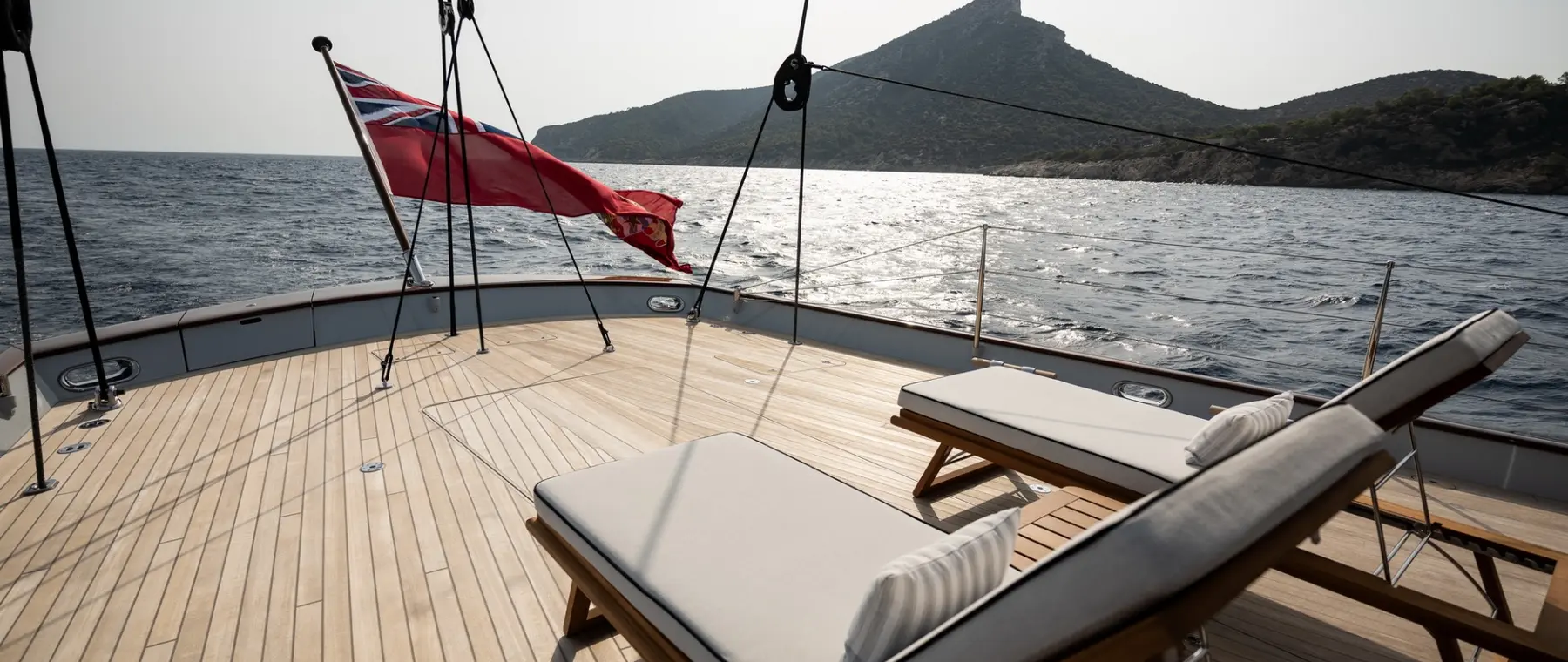
65m Royal Huisman Aquarius Wins ISS Best in Sail 40m+ Award
By Stephen Yardley · Edited by Stephen Yardley
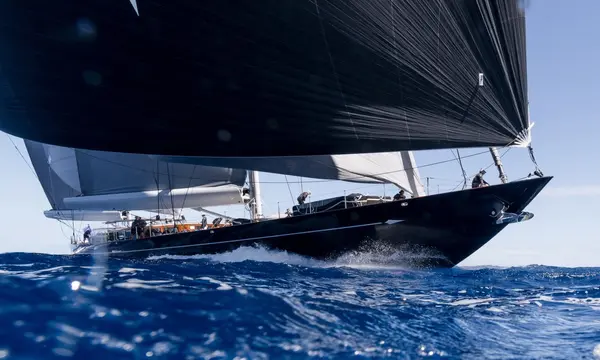
Royal Huisman's 65-metre performance ketch Aquarius has won Best in Sail 40m+ at the 2026 International Superyacht Society Design & Leadership Awards in Fort Lauderdale.
Royal Huisman's 65-metre Aquarius has won the Best in Sail 40m+ category at the 2026 International Superyacht Society Design & Leadership Awards. The award was presented in Fort Lauderdale on 28 October, with the Dutch shipyard confirming the result the following day. It recognises an ocean-going sailing yacht whose outwardly classical lines conceal an ambitious modern engineering programme.
The timing makes this a further award, rather than a new launch or the first public appearance of the yacht. Aquarius has already received major recognition during 2026, and this latest decision adds the International Superyacht Society's assessment to those earlier honours. The 2026 ceremony took place during the Fort Lauderdale International Boat Show, bringing the design and operational sides of the superyacht industry into the same conversation.
Royal Huisman identifies Aquarius as a 65-metre, 212-foot performance ketch and points to its balance of sailing capability, distinctive styling and quiet residential spaces. An award does not on its own establish how a yacht will perform in every sea condition, but it does draw attention to the design choices that the judges considered exceptional. Those choices are particularly interesting because the project began with owners who already knew the shipyard and what they wanted to improve.
The owners had commissioned an earlier 56-metre Royal Huisman Aquarius and regarded her as nearly perfect, according to the yard's account. Their next instruction was therefore not to abandon the proven concept, but to retain its most successful qualities while gaining more capability and comfort. That is a different starting point from a first-time superyacht project, where design teams may still be discovering the owner's preferences as the programme develops.
The new 65-metre yacht offers approximately 45 percent more volume than her predecessor, a substantial increase for a vessel whose length has risen by a smaller proportion. That extra enclosed capacity can allow the owner and designers to reconsider circulation, guest privacy and support spaces, but more volume also creates weight and technical-management challenges. The task is to achieve greater usefulness without diluting the balance and sailing character that motivated the repeat order.
Royal Huisman's announcement credits the owners, project manager Godfrey Cray, Dykstra Naval Architects, Mark Whiteley Design, Rondal and its own shipyard team. These roles reflect the collaborative nature of a custom sailing yacht, in which the hull, interior, structural engineering and rig must work as one system. A comfortable interior cannot simply be placed inside an unrelated sailing machine; both are influenced by structure, deck operations, stability and the space demanded by machinery.
Aquarius was built in lightweight Alustar aluminium and carries a Rondal carbon rig, integrated sail-handling systems and a lifting fin keel. These are not decorative features. The rig's structure and sail controls define how the crew manages a large sailing plan, while the keel is part of the engineering needed to reconcile stability under sail with the operating demands of a large cruising yacht.
The lifting arrangement is especially significant to owners who want to combine demanding sailing passages with access to anchorages and ports. It should not be taken to mean that every shallow-water destination is available, because safe depth still depends on the keel's actual position, tide, local seabed, operating procedures and the captain's judgement. Nevertheless, the feature illustrates how a technical decision can widen the practical cruising choices of a substantial sailing yacht.
Integrated sail handling also matters at this scale. A yacht of 65 metres cannot be assessed as though she were a small private sailing boat: loads, crew coordination, maintenance and the interaction between rigging and deck equipment have different consequences. Royal Huisman and Rondal's experience provides the technical framework, but safe operation continues to depend on training, inspection and disciplined procedures long after delivery.
The judges' appraisal highlighted the relationship between Aquarius's timeless exterior and her modern performance ambitions. That combination helps explain why contemporary sailing superyacht design is not necessarily defined by aggressive styling. Classical sheer, carefully proportioned deckhouses and a recognisable ketch profile can coexist with advanced structural materials and a complex technical specification.
Mark Whiteley Design's contribution to the interior belongs to that same design conversation. Royal Huisman's announcement emphasises elegant joinery, clean lines and an atmosphere that is refined without feeling overly formal. These are assessments of design intent rather than measurable operating statistics, but for a private yacht they can be as central to the owner experience as a published performance figure.
Large sailing yachts must make frequent compromises that are less visible in photographs. Structural members, sail-handling routes, equipment access and movement underway all influence the arrangement of living areas. A successful interior therefore has to remain comfortable when the yacht is at sea as well as visually appealing when she is photographed in calm water. The ISS recognition draws attention to this combination of appearance, engineering and functional accommodation.
The new ISS Best in Sail 40m+ distinction follows Aquarius's Sailing Yacht of the Year title at the 2026 World Superyacht Awards, a BOAT Design & Innovation honour for sailing-yacht naval architecture and a Robb Report Best of the Best distinction. These are separate awards from different organisations and should not be represented as one competition or as four independent sea-trial results. Together they show the range of design and industry recognition received by the project in a single year.
For Royal Huisman, repeat ownership is an important element of the story. A second major commission creates an opportunity to apply lessons from real use of the previous yacht, although every new build still presents its own trade-offs. In this case the yard has connected the greater volume, updated engineering and retained classical identity to a particularly clear owner brief.
The result is a 65-metre sailing yacht whose latest accolade concerns the finished design and its perceived achievement, not a change of ownership, a newly announced construction contract or a fresh delivery. Aquarius's ISS win adds another chapter to her 2026 record while offering a useful example of how long-term collaboration between owners, naval architects, interior designers, rig specialists and a shipyard can shape a high-performance custom yacht.
Explore
Go deeper into the yachts, companies, events and destinations directly connected to this article.
Continue reading
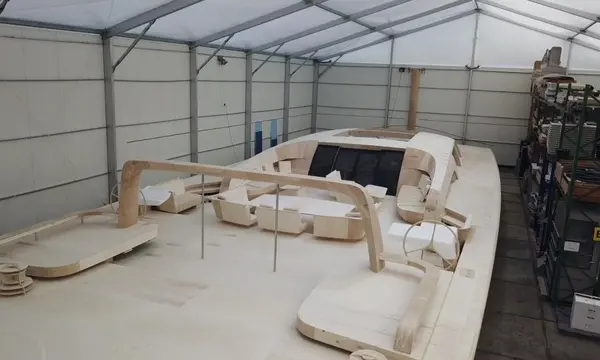
Royal Huisman has detailed how full-scale mockups are used to test ergonomics, layouts and owner decisions before construction begins.
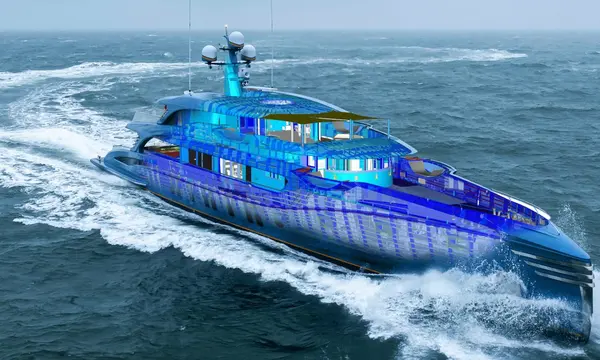
Royal Huisman is using PHI and Special One to demonstrate how its sailing-yacht engineering culture can support unconventional custom motor yachts.
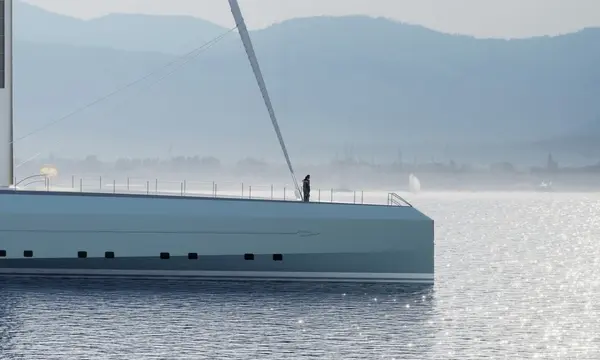
Royal Huisman has set out its view of the future for very large sailing yachts, drawing on current builds, ready-to-build studies and earlier projects.
Royal Huisman has revealed how six years of owner and crew experience produced 728 ideas and 45% more volume in the second 65m Aquarius.
Superyacht Guide
Continue into the wider Superyacht Guide.
Business opportunities · Superyacht Guide
Companies serving the superyacht market can discuss clearly identified advertising, sponsorship and business-profile opportunities. Commercial activity remains separate from independent editorial coverage.