SEA.AI Uses Antarctic Expedition Data to Improve Yacht Hazard Detection
By Stephen Yardley · Edited by Stephen Yardley
Image: SEA.AI / SuperYacht24
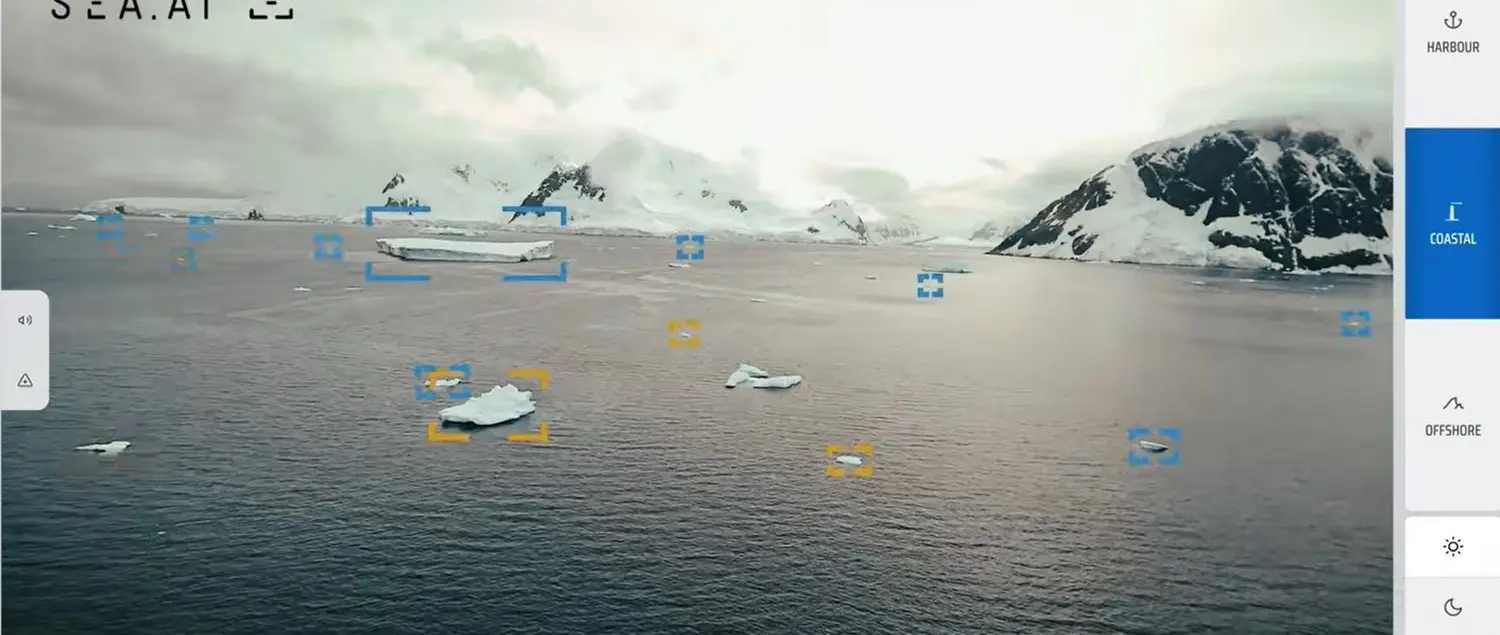
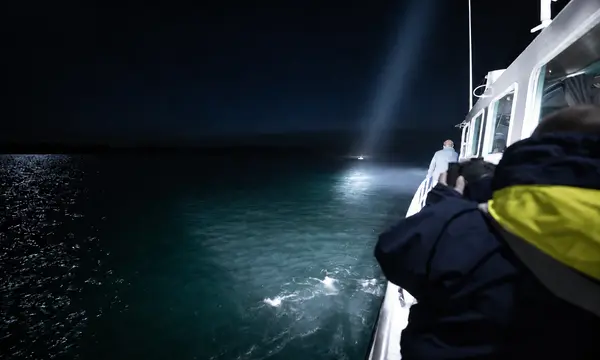
SEA.AI is using images gathered by the Malizia Explorer Antarctic expedition to improve computer-vision recognition of icebergs and semi-submerged sea hazards.
SEA.AI has been using expedition imagery gathered with Team Malizia to improve how its machine-vision technology recognises hazards ahead of a vessel. In Antarctic conditions, ice fragments, partially submerged objects, animals, rapidly changing light and rough water can all complicate what crews see from the bridge. These are exactly the sorts of situations in which operators may benefit from an additional detection method.
The company is working with imagery from the Malizia Explorer research vessel. The field recordings create a dataset that is difficult to replicate in a controlled laboratory: changing weather and sea texture make the appearance of the same type of object highly variable, while low-profile targets may not return a distinctive radar signature.
SEA.AI combines thermal and optical cameras with image-processing software intended to classify potential hazards. The company promotes the system as an extra layer of detection for floating debris, small craft, buoys, marine mammals and people in the water. It does not replace AIS, which depends on a target carrying and transmitting a compatible signal, or radar, which works using reflected radio waves.
For a superyacht operating on long passages, the combination can make sense because no single sensor observes every threat equally well. Optical imagery depends on visibility, thermal performance can vary with atmospheric and water conditions, and radar has limitations with very small or low-reflectivity objects. The bridge team still needs to interpret the resulting information.
An artificial-intelligence model trained mostly on calm-water examples could struggle with the broken contours of Antarctic ice or the contrasting wake patterns of a research vessel in rough water. Using real expedition recordings provides examples of targets at different distances, against different backgrounds and under changing environmental conditions.
SEA.AI has also discussed adding synthetic imagery to its training programme, but real sea observations remain fundamental to assessing whether a system can distinguish a genuine hazard from spray, sunlight or an unusual wave. Improving a model is not the same as proving that it will reliably identify every object at a stated distance.
The relevance is not limited to polar cruising. A timber object, container or small unlit craft can also pose risks in familiar waters, particularly at night or in poor conditions. Lessons learned from more demanding environments may make additional detection features useful for explorer vessels and other large yachts undertaking remote passages.
However, the capabilities of an individual installation will depend on camera placement, field of view, calibration, processing hardware and how alerts are integrated into the bridge. An owner's team would need to check these details and consider false-positive alarms as well as missed detections.
SEA.AI's work shows how data from active vessels can improve equipment design without requiring every yacht to visit the same harsh environment. Its collaboration with Team Malizia gives developers exposure to conditions that rarely arise during a routine demonstration in port.
Captains should nevertheless treat machine vision as an aid to situational awareness. Proper lookout, passage planning, watchkeeping, radar interpretation and navigation under the collision regulations remain crew responsibilities whether or not the yacht has an AI-assisted system installed.
Explore
Go deeper into the yachts, companies, events and destinations directly connected to this article.
Continue reading
SEA.AI has tested its machine-vision technology across multiple crewed and uncrewed vessel platforms during the REPMUS 2026 exercise in Portugal.
SEA.AI and Carlisle & Finch have linked machine-vision target detection with automatic searchlight control, giving crews a faster route from detection to response.
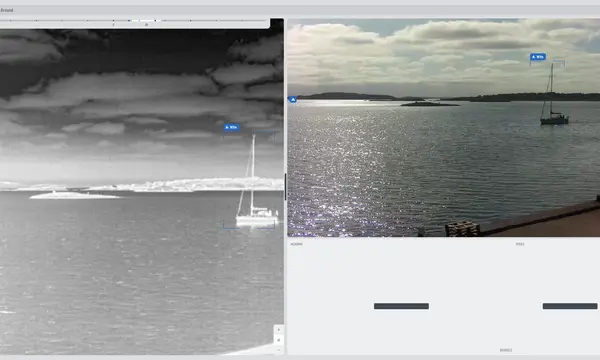
SEA.AI has released software version 4.3 for Sentry and Watchkeeper, targeting rough-water false alarms, multi-target tracking, video stability and RGB-assisted detection.
SEA.AI and Carlisle & Finch have linked machine-vision detection with automated searchlight control, allowing a crew to select a detected person or object and …
Superyacht Guide
Continue into the wider Superyacht Guide.
Business opportunities · Superyacht Guide
Companies serving the superyacht market can discuss clearly identified advertising, sponsorship and business-profile opportunities. Commercial activity remains separate from independent editorial coverage.