SEA.AI Links Machine Vision to Searchlights for Person-Overboard Tracking
By Stephen Yardley · Edited by Stephen Yardley
Image: SEA.AI / Carlisle & Finch
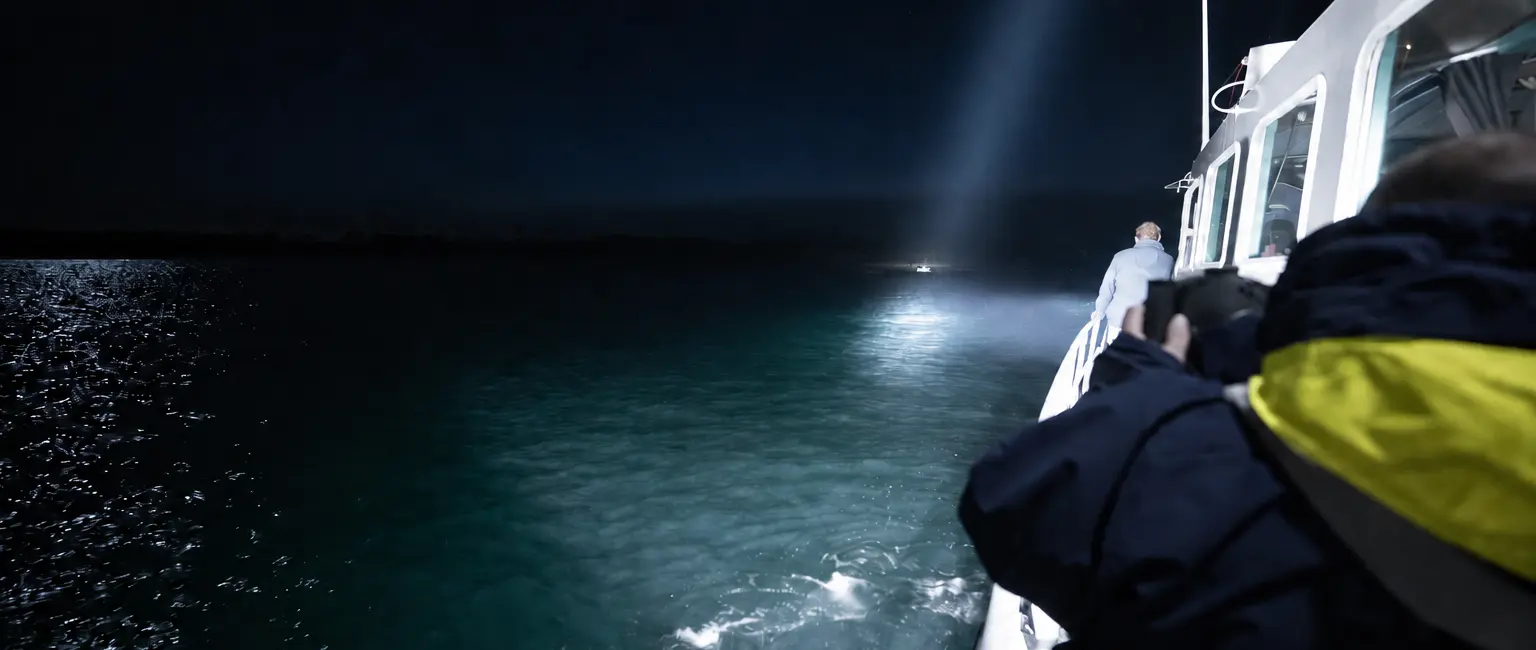
SEA.AI and Carlisle & Finch have linked machine-vision detection with automated searchlight control, allowing a crew to select a detected person or object and keep the beam trained on it as it moves.
SEA.AI and Carlisle & Finch have connected machine-vision detection with automated searchlight control, giving bridge teams a way to keep a light trained on a selected person or object after it has been detected. The integration links SEA.AI's Sentry system with Carlisle & Finch's SmartVIEW Gateway, combining live visual classification with a searchlight that can follow the target's bearing as it moves.
The distinction is important because the system does not simply sweep the water automatically or replace the crew's judgement. SEA.AI detects and classifies objects, the operator selects the relevant target, and the connected searchlight then turns toward that target and continues tracking it using the machine-vision data.
A person in the water can be difficult to keep visually identified at night, in poor weather or once a vessel begins manoeuvring for recovery. By connecting the detected target to the searchlight, the new integration is intended to reduce the risk of losing visual contact while the bridge team coordinates the vessel, rescue equipment and people involved in the recovery.
The companies also identify unlit vessels and other objects of interest as possible targets, which broadens the system beyond a dedicated man-overboard tool. A searchlight that remains aligned with a selected moving object could support collision avoidance, security observation and closer examination of something that radar or AIS alone does not fully identify.
SEA.AI uses thermal and optical cameras with artificial-intelligence-based object recognition to detect hazards that conventional navigation systems can miss or describe only indirectly. Small craft, floating objects and people in the water may have no AIS signal, while their radar return can be weak or difficult to distinguish from sea clutter.
The searchlight integration turns that additional layer of detection into a physical response rather than another alert on a screen. For a superyacht bridge, the practical benefit is that the system can help the watchkeeper move from detecting a target to maintaining visible contact without manually steering the searchlight throughout the incident.
Modern yacht bridges increasingly combine radar, thermal imaging, cameras, tracking, alarms and vessel-control data in a common operating environment. The useful step here is not a new sensor in isolation but communication between two established functions, so information from the vision system can control equipment elsewhere on the vessel.
That kind of integration still needs careful operating procedures because automated tracking can never remove the need for lookout, verification and human command. For captains and technical managers, the next questions will be compatibility with existing searchlights, commissioning requirements and how reliably the system holds a target in the difficult sea states where assistance is most valuable.
Explore
Go deeper into the yachts, companies, events and destinations directly connected to this article.
Continue reading
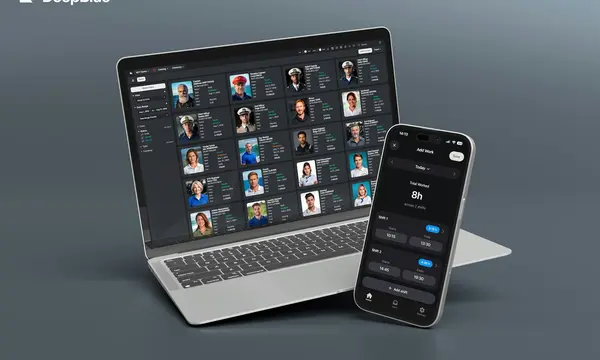
DeepBlue has overhauled its Crewing Package so contracts, crew planning, payroll, timesheets and Hours of Rest work from a connected crew record.
SEA.AI and Anschütz are integrating optical and thermal machine vision with the Autonomics Navigation Suite to strengthen bridge situational awareness.
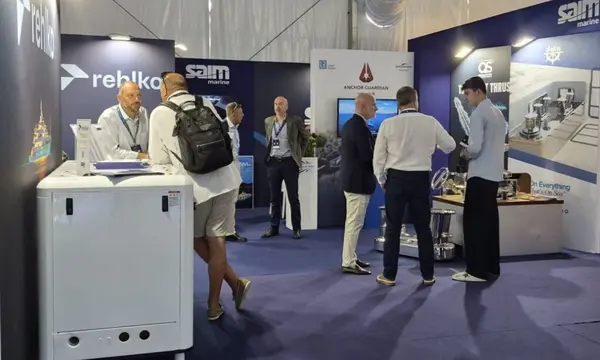
SAIM Marine is presenting a broad superyacht equipment portfolio at Monaco Yacht Show 2026, spanning propulsion support, generators, water systems and deck machinery.

Transport Malta has issued Yachting Notice 19, setting out accepted manning and crew qualifications for Malta-flag commercial yachts under the sCYC and CYC.
Superyacht Guide
Continue into the wider Superyacht Guide.