Triton Reveals Nine-Month Engineering Role in DEEP's Underwater Habitat
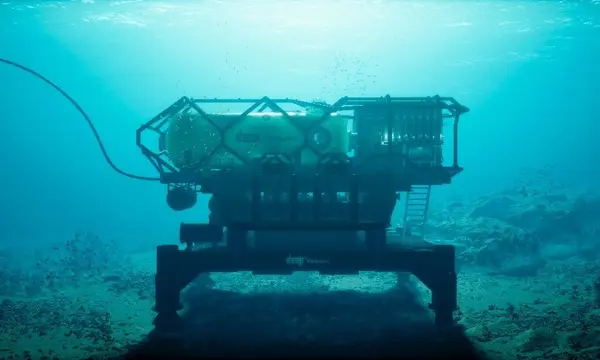
Triton Submarines provided engineering and integration assistance for DEEP's Vanguard human habitat, installed 17 metres underwater at Tennessee Reef in the Florida Keys.
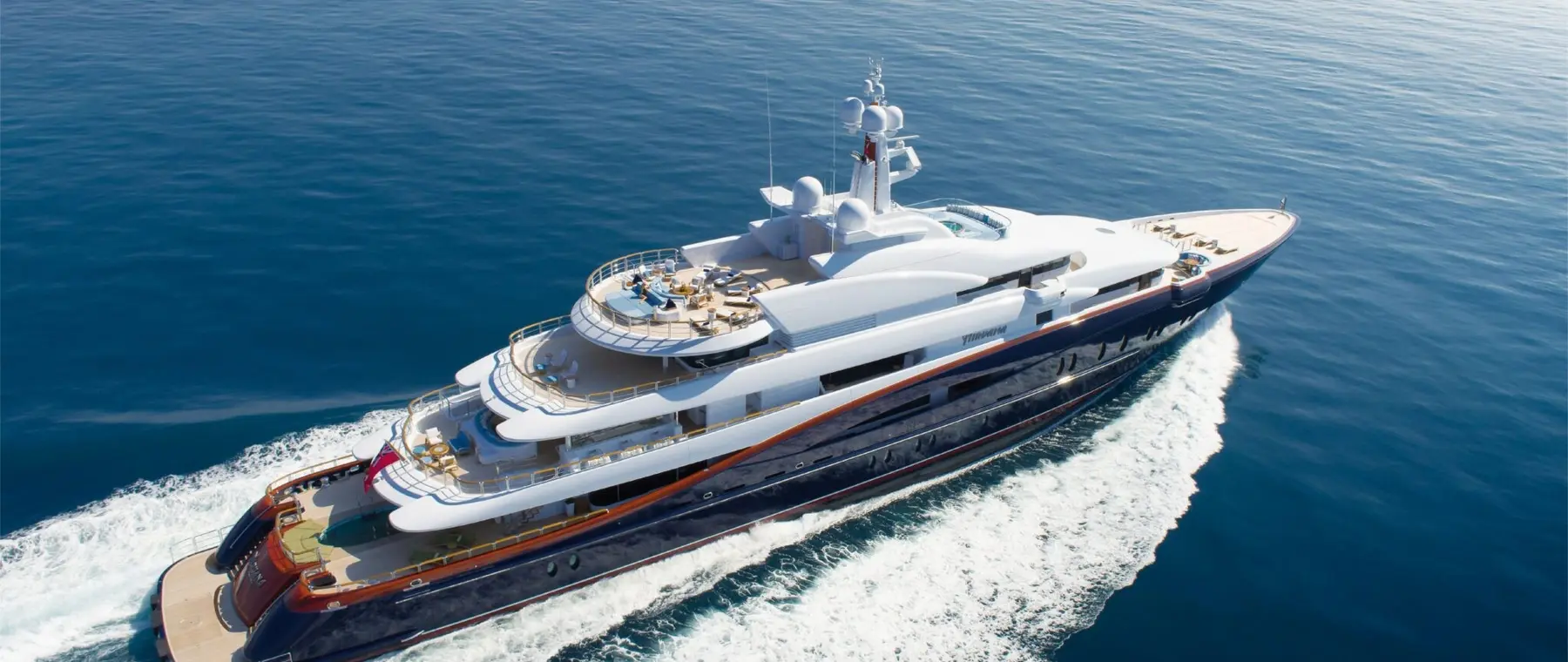
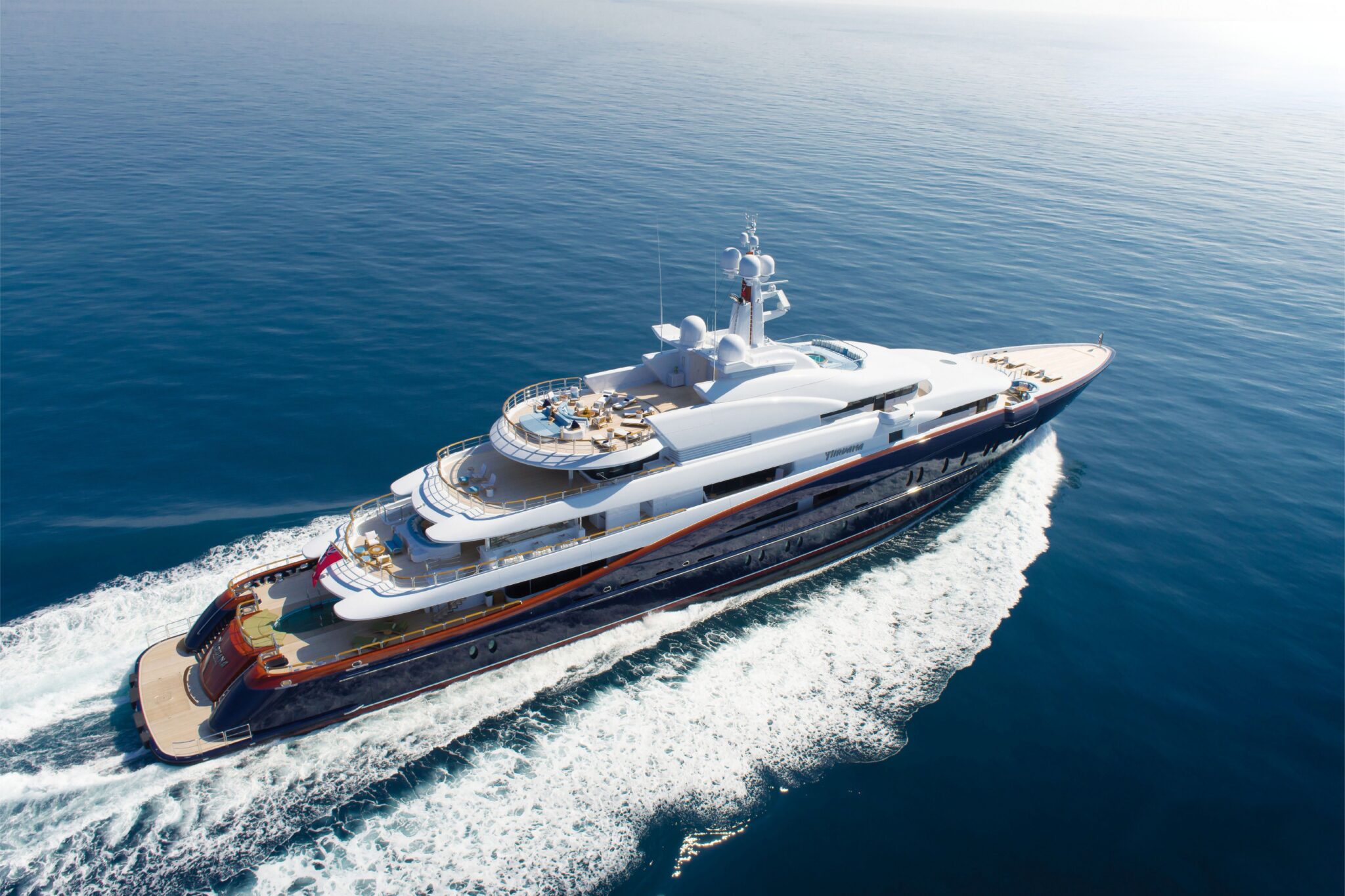
MarQuip official anniversary press photograph showing a superyacht underway
MarQuip marks 25 years of specialist exhaust engineering, tracing its development from wet-exhaust technology to compact emissions systems for superyachts.
MarQuip has marked its twenty-fifth anniversary in a company statement issued through the METSTRADE exhibitor news service on 15 November 2026. Founded in 2001 as an offshoot of Dutch exhaust specialist Discom, the company reports having completed more than 400 projects during its development as an exhaust-system integrator for superyachts. The anniversary account is particularly relevant to the industry because it describes the evolution of one of the least visible but most technically consequential parts of a large yacht. Exhaust installations must accommodate hot gas, machinery vibration, acoustic requirements, restricted engine-room space and, where applicable, emissions-control equipment. The manufacturer's account traces changes in those requirements from early wet-exhaust installations to systems combining silencers, particulate filtration and selective catalytic reduction. The project total is supplied by MarQuip and has not been independently audited by Superyacht Guide. It is a measure of reported project experience, not a count of individual completed yachts. The anniversary does not constitute a claim that any particular installation has been independently assessed for performance by this publication.
The company's history places its initial development work in the 1990s, when Discom received requests from Dutch superyacht yards seeking wet-exhaust arrangements with underwater outlets. According to MarQuip, the subsequent development of water-injection technology and associated testing helped establish the technical foundation for a dedicated business. Royal Huisman permitted the reuse of the MarQuip name, previously associated with its sister company Rondal, when the specialist operation formally began in 2001. This account reveals the importance of cooperation between equipment specialists and yacht builders: the physical requirements of an exhaust installation cannot be understood entirely from an engine specification. The route through the vessel, intended operating conditions, available machinery space and arrangement of external outlets are all part of the design. A wet exhaust involves the management of water as well as exhaust gas, which introduces different engineering considerations from those associated with a dry system. The correct separation, routing and protection arrangements must be determined for the actual vessel and engine configuration rather than assumed from a general description of the technology.
MarQuip identifies improvements to water-injection components, tank-testing programmes and scoop designs among its early engineering activities. Such development reflects a recurring difficulty in large-yacht construction: a component that performs satisfactorily by itself may behave differently when installed as part of the complete vessel. Depending on the installation, exhaust behaviour can be affected by the geometry of the outlet, water flow around the hull, operating speed and changes in the yacht's attitude. The installation must accommodate those conditions while keeping the engine within the limits established by its manufacturer. The space allocated to the machinery and its supporting systems is frequently influenced by decisions about accommodation, service access and the overall arrangement of the yacht. A successful design requires the relevant teams to communicate before those decisions become expensive to change. The anniversary release does not publish its testing protocols or detailed performance curves, so it cannot be used to quantify improvements arising from any particular scoop or injection component. Its value is in identifying the kinds of engineering problems that led to the development of the business and that remain relevant to new-build integration.
The company describes a change in its development priorities around 2011, when it began paying greater attention to generator exhaust systems incorporating diesel particulate filters. A particulate filter addresses a different component of exhaust emissions from equipment used to reduce nitrogen oxides. Its effectiveness and service requirements depend on the characteristics of the engine, its operating profile and the technology selected. A yacht's generators typically serve a combination of domestic, hotel and technical loads, and those loads can vary considerably between periods at anchor, alongside and underway. An installation needs to be suited to the equipment's expected duty rather than designed solely around a peak output figure. MarQuip says it developed combinations of silencers and particulate filters that reduced the space required in the machinery area. The release provides no dimensional comparison, measured filtration efficiency or universal maintenance interval for those packages. The relevant details must be established from a proposed system specification. For an owner, the important point is that an emissions-control device forms part of a complete operating and maintenance arrangement, with its accessibility and compatibility with the machinery as consequential as its initial dimensions.
MarQuip identifies the growth in demand for selective catalytic reduction equipment during the next phase of its development. SCR technology is used to reduce nitrogen oxides and generally relies on a catalyst and a controlled supply of a suitable reducing agent. The introduction of such equipment can affect the layout of the exhaust system, the arrangement of supporting tanks and piping, service access and the way the complete installation is monitored. MarQuip reports working with yards, classification societies, flag administrations, engine makers and aftertreatment specialists to develop more compact SCR arrangements. Its anniversary account associates this development with the introduction of IMO Tier III requirements and the increasing demands of larger yachts. The application of international emissions requirements is more nuanced than a single gross-tonnage threshold, however. It depends on the relevant engine and vessel criteria, construction or installation dates, operating areas and applicable exceptions. A yacht owner should obtain an assessment for the particular project from the appropriate technical and regulatory specialists. The anniversary statement should not be treated as a determination that an individual yacht complies with MARPOL or that the installation of a particular exhaust product is by itself sufficient for compliance.
The manufacturer's account describes SCR products designed to occupy substantially the same installation footprint as traditional dry silencers, an objective that illustrates the pressure placed on machinery-space allocations in modern yacht projects. An engine room must accommodate equipment in a way that allows safe operation and continuing access for inspection and repair. A physically compact exhaust package is potentially useful where space is limited, but its dimensions cannot be considered in isolation. The surrounding installation may still need to provide appropriate clearances, insulation, ventilation, structural support and arrangements for removing components. Additional equipment may introduce weight or change its distribution within the yacht. Connections to machinery and supporting services must be designed for the applicable conditions. A builder evaluating alternatives should establish the complete system boundary and compare installed requirements, not merely the envelope shown on a component drawing. The company also notes that engine manufacturers developed integrated SCR products, creating opportunities to consider a complete propulsion package. Whether a particular component arrangement provides an advantage depends on the engine selected and the technical requirements of the individual yacht.
The same integration issues arise when a yacht is refitted, but existing spaces, structure and machinery can constrain the available solutions. Replacing part of an exhaust installation requires an understanding of the existing arrangement and any changes made since the vessel was first delivered. The owner should establish whether the work is limited to renewal of components or includes changes to performance, machinery or the regulatory status of the yacht. The supplier and refit yard may need to coordinate engineering information and verification with the engine manufacturer and other responsible parties. Existing access routes can determine whether a large component can be removed and replaced without substantial additional work. The programme should also allow time for the checks and commissioning required by the actual scope of the project. Nothing in MarQuip's anniversary announcement establishes that a particular legacy installation can be upgraded within its original footprint. Its account of the company's experience is instead a reminder of the value of evaluating integration questions early, when the owner still has the opportunity to choose between different project approaches.
The anniversary release offers a useful view of the development of superyacht exhaust engineering over twenty-five years. Its particular interest lies in the progression from water-injection and underwater-outlet research to more elaborate systems incorporating acoustic and emissions-control functions. The company's reported experience also reflects the importance of specialist suppliers whose work sits at the intersection of machinery selection, naval architecture, yard production and long-term maintenance. For owners and their technical representatives, the most constructive response to an anniversary such as this is not to infer that every project or product will deliver the same result, but to identify the engineering questions that need to be addressed during the next build or refit. A sound specification should identify the machinery, applicable requirements, intended operating conditions and criteria for acceptance. An appropriate arrangement for future inspection and service should be considered alongside the installation itself. The statement is a corporate history and does not announce a new yacht delivery, independently verified emissions outcome or a universal performance improvement. As a report on the specialist supply chain supporting vessels above twenty-four metres, however, it provides a relevant perspective on the interaction between yacht design and machinery technology.
Primary source: MarQuip official METSTRADE exhibitor release, 15 November 2026.
MarQuip / METSTRADE exhibitor press release. Representative superyacht photograph supplied for the anniversary announcement; yacht identity not asserted. Official source.
Continue reading
Triton Submarines provided engineering and integration assistance for DEEP's Vanguard human habitat, installed 17 metres underwater at Tennessee Reef in the Florida Keys.
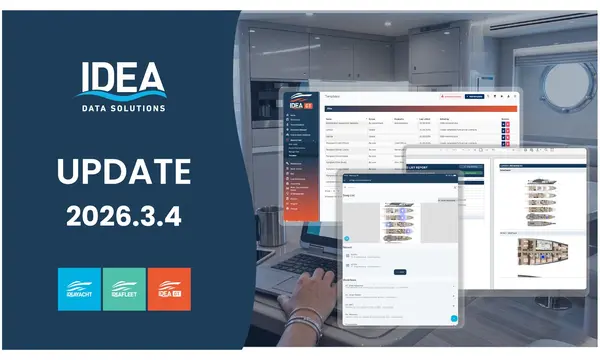
IDEA Data Solutions release 2026.3.4 introduces structured purchase and work-order wizards, crew Hours of Rest improvements and tablet-friendly yacht management software.
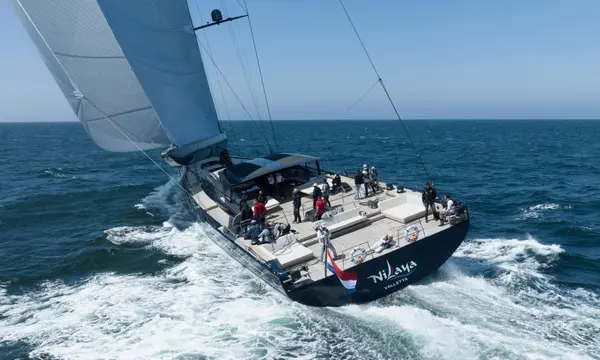
Royal Huisman has detailed the lightweight construction and engineering methods behind 47-metre performance cruiser Nilaya.
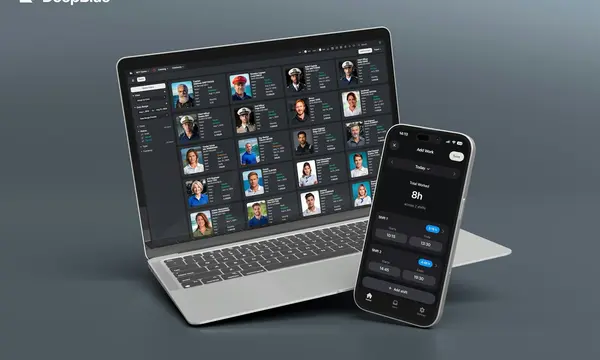
DeepBlue has overhauled its Crewing Package so contracts, crew planning, payroll, timesheets and Hours of Rest work from a connected crew record.
Superyacht Guide
Continue into the wider Superyacht Guide.
Business opportunities · Superyacht Guide
Companies serving the superyacht market can discuss clearly identified advertising, sponsorship and business-profile opportunities. Commercial activity remains separate from independent editorial coverage.