
Company
IBEX Show / Professional BoatBuilder magazine
Explore the company profile and related Superyacht Guide coverage.
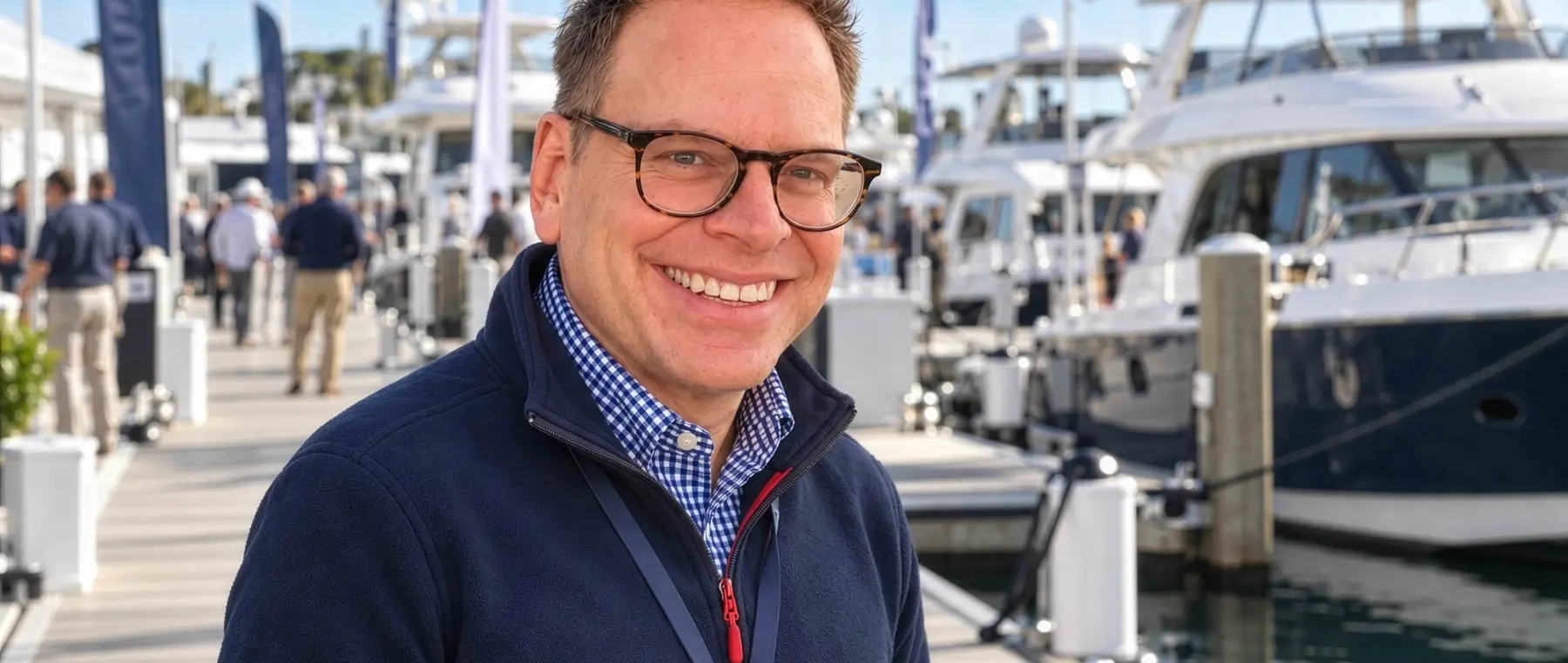
SeaSure has introduced a vessel-specific marine intelligence platform at IBEX 2026, presenting a network of twelve specialised artificial-intelligence agents intended to connect maintenance information, remote assistance and service outcome
SeaSure has introduced a vessel-specific marine intelligence platform at IBEX 2026, presenting a network of twelve specialised artificial-intelligence agents intended to connect maintenance information, remote assistance and service outcomes. The technology is aimed at helping owners, service contractors and manufacturers preserve useful information across a vessel's working life.
The startup appeared at IBEX's Start-Up Pavilion in Tampa, positioning the product as a shared information layer rather than a replacement for qualified marine engineering. Its claims concern the platform's intended functions; independently measured improvements in repair time or reliability have not been demonstrated by the launch announcement.
Marine maintenance information is often fragmented between onboard paper manuals, service invoices, equipment manufacturers, owner representatives and contractors. A digital record associated with a particular hull could make historical problems and previous repairs easier to find during a technical incident.
For superyachts, the challenge becomes more complex as crews rotate and equipment is modified during refit. Records must identify the exact equipment model, software revision and installation, because two similar vessels may have materially different system arrangements.
A software assistant may help locate relevant documents, recognise patterns in historical service data or route a question to a specialist. It should not be treated as an authority to alter safety-critical equipment without verification by qualified personnel and the relevant manufacturer.
Hallucinated instructions or outdated service information could create serious risks. Responsible integration therefore requires source references, permissions, audit trails and a clear division between suggestions and actions performed by a person.
A platform covering owners, contractors, builders and suppliers creates questions about data ownership and confidentiality. Maintenance records may contain sensitive information about location, security systems, guest spaces or the operation of valuable assets, so access controls are central to adoption.
Contractors should see information necessary for the work they have been authorised to perform rather than unrestricted access to a vessel's entire technical history. A yacht manager also needs a way to export records if the service is discontinued or the yacht changes ownership.
SeaSure's IBEX debut provides a look at one direction in marine service technology: retaining vessel-specific knowledge and making it easier to use. The practical value will depend on data accuracy, integration with existing maintenance tools and whether engineers trust the information provided.
Further testing on larger, more complex yachts would be needed before making specific claims about superyacht fleet efficiency. For now, the launch represents an emerging service option worth monitoring, not a proven replacement for established planned-maintenance systems.
A useful digital service tool should show where a maintenance recommendation originated, including the applicable manual revision, serial number and prior work record. Without that evidence, apparently confident answers may waste troubleshooting time or suggest a procedure unsuited to the installation.
Artificial intelligence could help organise large document collections, but the quality of any answer is bounded by the quality of the underlying records. Captains and engineers should know how to correct inaccuracies and prevent obsolete instructions from resurfacing.
The software would need to coexist with scheduled maintenance registers, defect reporting, purchase orders and approval workflows already used by large-yacht managers. Requiring crews to enter the same information into several tools may create additional work rather than reducing it.
Interfaces with live sensors introduce further questions. Diagnostic trends can flag unusual behaviour, but automatic action on machinery is a separate function requiring careful operational safeguards and robust testing.
SeaSure's development is worth following because it addresses a genuine weakness in marine service continuity. Evidence from operational deployments, independent security testing and long-term user feedback will determine whether it can deliver the benefits suggested during its IBEX debut.
Explore
Go deeper into the yachts, companies, events and destinations directly connected to this article.
Company
Explore the company profile and related Superyacht Guide coverage.
Continue reading

Metstrade has confirmed six initial exhibitors for its dedicated 2026 Superyacht Startups Area in Hall 8, with Fort Insurance sponsoring the wider programme.

D-Marin has partnered with ult. Insurance to connect yacht owners at its UAE marinas with specialist cover reviews, placement, claims assistance and a dedicated …
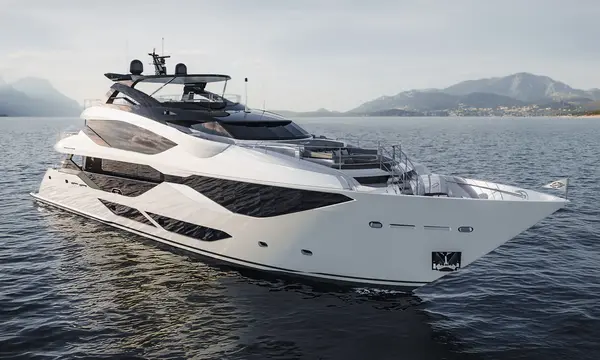
Sunseeker confirms its long-term ownership and appoints Scott Millar as CEO, establishing permanent leadership for the British yacht builder's five-year transformation.
Privacy is essential in superyacht ownership, but overly broad NDAs and opaque corporate structures can increase compliance costs, obstruct transactions and turn legitimate discretion …
Superyacht Guide
Continue into the wider Superyacht Guide.
Business opportunities · Superyacht Guide
Companies serving the superyacht market can discuss clearly identified advertising, sponsorship and business-profile opportunities. Commercial activity remains separate from independent editorial coverage.