
Propspeed Foulfree Multi-Surface Wins 2026 IBEX Innovation Award
Propspeed's Foulfree Multi-Surface anti-fouling protection has won a 2026 IBEX Innovation Award in Boat Care and Maintenance, jointly with Spectrum Color.
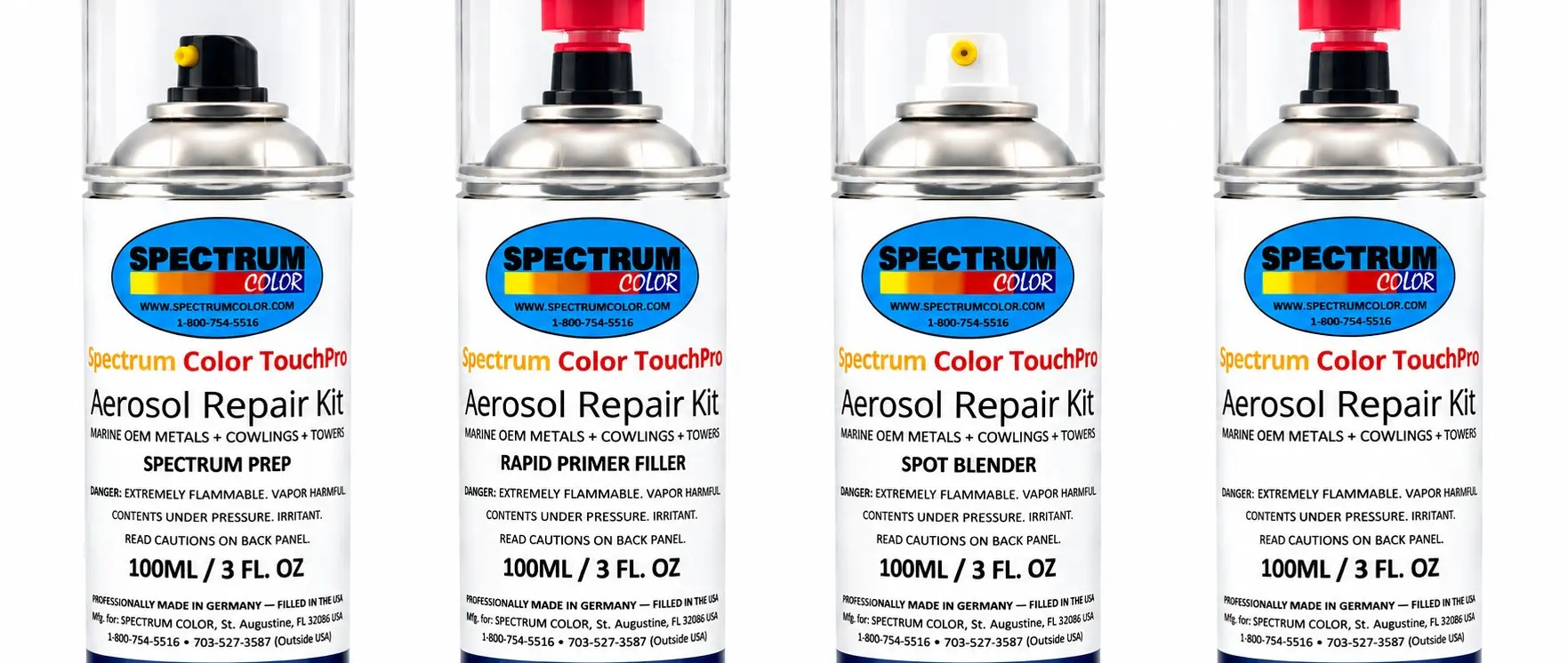
Image: Spectrum Color official TouchPro product information and IBEX/NMMA 6 October 2026 Innovation Award
Spectrum Color's TouchPro aerosol repair range receives a 2026 IBEX Innovation Award for OEM-matched finish repairs on marine metal and composite surfaces.
Spectrum Color has received a 2026 IBEX Innovation Award for TouchPro, its aerosol-based approach to matching and repairing damaged marine finishes. The product shared the Boat Care and Maintenance category with Propspeed's Foulfree Multi-Surface, following judging by Boating Writers International for the National Marine Manufacturers Association. The awards were presented on 6 October during the Tampa trade exhibition.
The award acknowledges a practical maintenance problem rather than a newly launched yacht: a small scratch or chip on powder-coated metal can be difficult to repair without an obvious colour difference. On superyachts, this issue is compounded by extensive custom-painted railings, brackets, covers and decorative components. A targeted system may avoid some replacement or workshop work, provided the selected colour and repair method actually match the original surface.
TouchPro is sold as a matched repair solution for specific original-equipment colours. The manufacturer's product range includes kits named for recognised boat brands and individual colours, allowing a buyer to start from a known factory finish rather than choose an approximate shade from a general automotive paint display. Spectrum describes the coating as suitable for properly prepared marine surfaces including powder-coated metal and selected composite or fibreglass applications.
Matching should not be understood as a guarantee that repaired and existing finishes will look identical under all lighting conditions. A yacht's coating may have faded, been polished unevenly or undergone changes through exposure to ultraviolet radiation and saltwater. Repair technicians should compare a test area and establish whether the coating specification is still known before attempting a highly visible finish.
The kit approach replaces some of the equipment associated with spraying small areas using a conventional spray gun and separate paint-mixing arrangement. A typical TouchPro kit includes an aerosol topcoat alongside preparation and blending products, although the exact components depend on the selected variant. For a yacht crew undertaking minor cosmetic repair, the appeal lies in using a controlled, pre-matched formulation without setting up a full-scale spray booth.
That convenience has limits. Overspray can damage nearby polished metal, glazing, teak or upholstery, particularly in windy conditions. Technicians must mask surroundings, follow ventilation instructions and respect the drying and curing requirements. Work on a large, conspicuous area or on a coating that has failed across its substrate may still require a professional refinishing programme.
The manufacturer's instructions emphasise the need for appropriate surface preparation and, where necessary, primer or filler before applying the colour coat. Dirt, wax, grease, salts and deteriorated coatings can prevent a repair from bonding even if the colour match looks promising. A technician may also need to feather the edges of a chip and deal with any corrosion or substrate damage before using the aerosol finish.
Superyacht exteriors combine materials with different behaviours under heat and movement. Aluminium, steel, composites and painted plastics may require specific adhesion promoters or coating systems. Owners should seek approval from the original paint manufacturer or qualified refit yard when a repair could affect the warranty or integrity of a high-value finish, especially close to fittings exposed to regular loading.
Spectrum promotes TouchPro formulations developed to cope with ultraviolet exposure, moisture and salt, issues that differentiate marine coatings from many indoor decorative finishes. The company says its products are intended to retain gloss and colour and to permit buffing and polishing after appropriate cure. These capabilities may interest service teams faced with routine scuffs caused by tender handling, loose equipment or maintenance activity.
Claims of durability should still be evaluated against the location and condition of the repaired surface. A sheltered cabin detail has a different service environment from an exposed exterior handrail, anchor-area fitting or part near exhaust heat. The finished coat may also have different resistance to aggressive cleaners and abrasion than the original factory finish. A repair record helps crews monitor performance over time.
A superyacht's appearance depends on consistent finishes across many individual components. Replacing a small powder-coated item may require removal of adjoining trims, transport to a specialist shop and reinstallation under tight operational schedules. A reliable small-area repair could reduce those steps when the underlying component is sound and a compatible colour is available.
However, superficial repair should not conceal a larger engineering problem. Corrosion around a fastener, cracks in a structural bracket or damage to a protective coating system may need the component to be removed and inspected. Cosmetic improvement should follow that assessment rather than take its place. A touch-up kit is not a method of certifying the condition of a load-bearing metal assembly.
The product may be of interest to captains, yacht-management companies and service contractors who oversee many small tasks between major refits. Repair work can be recorded by location, original finish specification, product used and date of application. Such records reduce the chance of conflicting materials being applied during a later maintenance period and give a future contractor a starting point if the result needs further work.
Matching aerosol paint does not eliminate the need for competent handling of flammable materials and chemical vapours. The crew must check safety data sheets, storage restrictions and the vessel's procedures before using or carrying spray products. In particular, work near ignition sources, fuel spaces or occupied accommodation requires careful risk assessment, and professional contractors may be the appropriate choice.
The 2026 IBEX awards programme assessed one hundred entries and selected twelve winners in categories spanning equipment, electronics, materials and maintenance. Spectrum's TouchPro was recognised alongside Propspeed for a different aspect of boat care: restoring damaged appearance rather than protecting underwater components from growth. The accolade does not establish an independently measured reduction in warranty claims or repair costs across the entire superyacht fleet.
For yacht owners, the key decision remains whether a specific TouchPro formulation can be matched to the finish that needs attention, with the necessary preparation and safe working conditions. Where those requirements are met, an aerosol system can become one more useful tool in a structured upkeep programme. The October award highlights that practical potential without replacing the judgement of professional finishers.
Continue reading
Propspeed's Foulfree Multi-Surface anti-fouling protection has won a 2026 IBEX Innovation Award in Boat Care and Maintenance, jointly with Spectrum Color.

Feadship’s AURORA artificial-intelligence research initiative has received Dutch maritime innovation funding for CFD-driven hull resistance prediction and optimisation.

Azimut Grande 44M has won the Special Jury Award at the 2026 Innovation Route Awards during its Cannes Yachting Festival world debut.
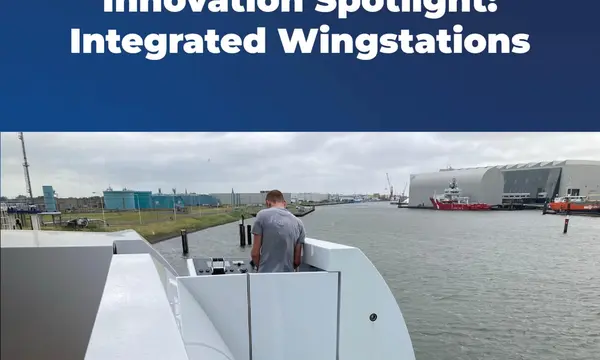
Akerboom Yacht Equipment examines integrated wingstations, machinery reliability and early equipment design choices in its fifth superyacht engineering report.
Superyacht Guide
Continue into the wider Superyacht Guide.
Business opportunities · Superyacht Guide
Companies serving the superyacht market can discuss clearly identified advertising, sponsorship and business-profile opportunities. Commercial activity remains separate from independent editorial coverage.