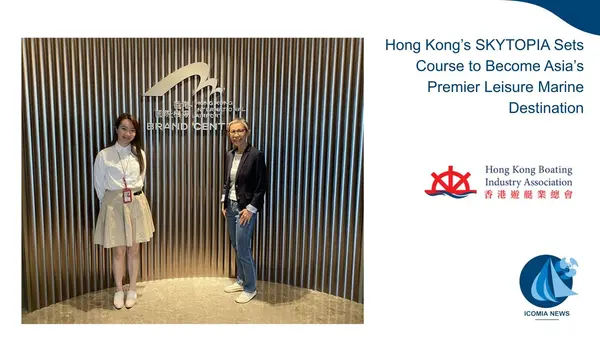
Hong Kong Airport Authority Opens SKYTOPIA Yacht Bay Development Expression of Interest
Hong Kong airport developer AAHK has issued an expression of interest for SKYTOPIA Yacht Bay investors and operators, distinct from marina promotion milestones.
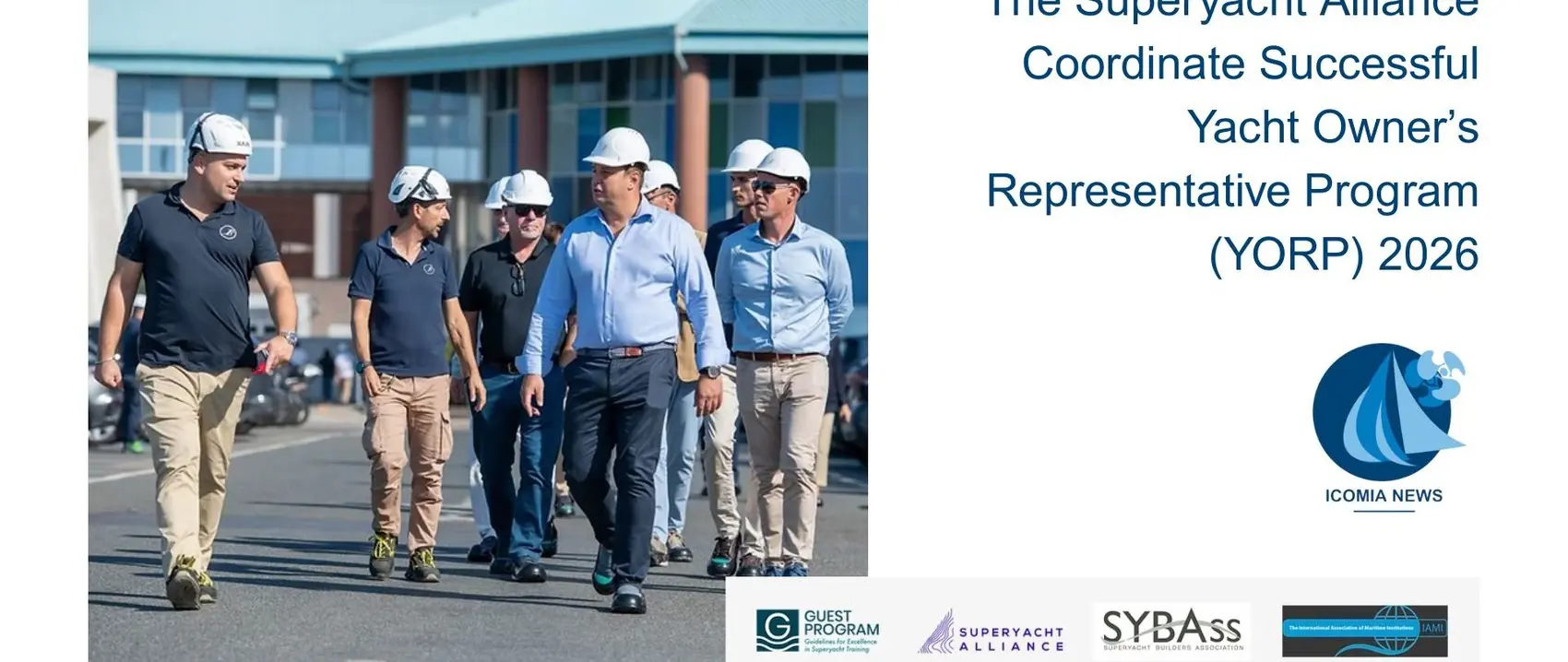
© ICOMIA / originating news and event partners. Official first-party editorial press image from the association’s release.
SYBAss shipyards back the Yacht Owner’s Representative Program, which the Superyacht Alliance says has trained 89 industry professionals in client representation.
The Superyacht Alliance has reported that 89 professionals have participated in its Yacht Owner's Representative Program, commonly known as YORP. An official ICOMIA industry account published on 6 February 2026 explains that SYBAss member shipyards support the training initiative, coordinated by the alliance and delivered through recognised training organisations. The announcement also identified a subsequent three-day session to be hosted by Lürssen in Hamburg in April. For owners commissioning large yachts, this is a significant professional-development topic because the individual representing a client has to work across contracts, technical decisions and expectations during a project that may take years.
A superyacht new build brings together the owner, shipyard, naval architect, designers, engineers, suppliers and often independent advisers. The representative must understand what each party is responsible for without assuming control over the shipyard's work. Decisions about specifications, changes, deadlines and acceptance can have large financial consequences. The precise authority of a representative depends on the contract and the owner's instructions. No training programme can remove all disagreements, but clearer knowledge of communication and project processes can help participants identify problems early. This is why a role sometimes described casually as a client liaison actually deserves structured professional attention.
ICOMIA's report states that 89 professionals had taken the programme by the date of publication. That figure is evidence of participation, not a claim that every graduate holds a specific internationally regulated licence or that the programme has trained every owner representative in the market. The source does not provide pass rates, a complete curriculum or subsequent career outcomes. Those distinctions matter to owners hiring advisers. Participation can be relevant evidence of professional development, but it should be considered alongside actual build experience, references, professional insurance and knowledge appropriate to the project.
SYBAss members support the initiative because they work with client representatives during custom yacht construction. Shipyards have experienced representatives with many backgrounds and have identified core skills that they believe improve cooperation. This gives the programme a practical industry foundation, although it should not be treated as an independent regulatory endorsement. The objective is to help participants understand how their decisions affect designers, builders and the owner. The association's announcement frames teamwork as essential to delivering complex yachts. That approach is useful when it encourages clarity about responsibility rather than blurring contractual boundaries.
ICOMIA notes that courses have taken place at different member shipyards, with the next session announced for Hamburg, hosted by Lürssen from 20 to 22 April 2026. By the present article's date, that announced session is in the past, and no completion figures for it are given in the source. It should therefore be described as a scheduled event from the February announcement rather than presumed to have taken place with a particular attendance. Rotating the location among shipyards may expose participants to different working environments. Nevertheless, a site visit or course setting cannot replace the detailed due diligence required for an individual build contract.
A representative can support the owner's interests only when those interests are understood. A project may involve conflicting preferences about performance, design, guest space and long-term operating costs. A well-defined brief helps the shipyard understand priorities and identify changes that create consequences elsewhere. Training in project communication can be useful because apparently small adjustments may affect equipment, structure or delivery dates. Owners should be prepared to make decisions through documented channels instead of allowing informal comments to become unclear instructions. The representative's skill lies partly in helping convert broad aspirations into decisions that can be acted upon reliably.
The owner representative may be the point of contact among people who use different technical languages. A designer may be concerned with guest experience, while engineers examine structural load, machinery access and compliance. A disagreement that appears to concern appearance may actually involve safety or maintenance. A capable representative needs to recognise when technical specialists should make the assessment rather than attempt to substitute personal judgement. The programme's interest in teamwork aligns with this need. Owners benefit when the representative can ask appropriate questions, record responses and keep decisions traceable through the build process.
Custom yacht projects can evolve during construction, sometimes because an owner develops new preferences and sometimes because engineering issues emerge. Changes may affect cost and programme even if they initially appear minor. Representatives should understand the procedure for requesting, assessing and approving variations, including documentation of consequences and responsibility for payment. Training may help improve familiarity with these processes, but the legal framework comes from the actual contract. A professional adviser should avoid giving the impression that all change requests can be accommodated without delay. Transparent communication protects both the owner and the builder.
A representative acts for the owner under agreed terms, but may have prior relationships with shipyards, brokers, designers or suppliers. Owners should understand how potential conflicts are disclosed and managed. Participation in an industry-supported training programme does not prove independence or eliminate all conflicts. Likewise, valuable cooperation with builders should not mean that the owner's contractual rights are ignored. The useful principle is to clarify responsibilities at appointment and maintain a record of significant decisions. Owners should choose advisers whose professional judgement is supported by experience, appropriate insurance and clear ethical practices, not merely by a well-known affiliation.
A new build passes through many stages where progress and quality need to be reviewed. The representative may coordinate specialists who examine machinery, coatings, interior work or systems integration. The appropriate inspection criteria depend on the specification, class requirements and contractual scope. An owner representative should not describe subjective opinions as if they were independent technical measurements. Reports need to distinguish observations from defects, proposed remedies and matters requiring further investigation. Training that improves awareness of such distinctions may reduce unnecessary conflict, while specialist surveyors remain essential for disciplines beyond the representative's own competence.
The shipyard and owner share an interest in completing a successful project but may view cost, schedule and responsibility differently. A representative can become an important bridge when they communicate decisions clearly and help avoid surprises. That does not require uncritical agreement with the yard. It requires understanding the contract and making constructive use of technical evidence. The Superyacht Alliance's emphasis on working as a team reflects the practical importance of cooperation. Misunderstandings can become expensive when they are allowed to persist, particularly on projects involving many subcontractors and systems delivered over several years.
Commissioning a large yacht involves capital expenditure, milestone payments, contingency and eventual operating costs. An owner's representative may help track decisions affecting those obligations, while legal and financial advisers provide specialist oversight. A course aimed at representatives can improve awareness of the financial consequences of project changes, but the source does not describe a particular training module or financial qualification. It would be misleading to infer that participation replaces professional accounting or legal advice. Owners need clear reporting about committed costs, potential variations and unresolved risks throughout the build.
Custom yacht projects can bring together an owner in one country, a yard in another and suppliers across several regions. Time zones, language and differing working practices can complicate decisions. A representative may need to organise meetings and maintain accurate records so that technical teams understand what has been agreed. Training supported by multiple shipyards may expose participants to these challenges, although the announcement does not specify its full teaching methods. The general importance is clear: communication failures can create delays even when the underlying technical work is sound. Disciplined documentation supports accountability and reduces reliance on memory.
The owner representative's contribution may continue through sea trials, acceptance, delivery and the transition to an operating crew. Those stages reveal whether the yacht's systems and documentation are ready for use. Captains and engineers need training, manuals, warranty information and maintenance plans. A project may meet many construction milestones yet still face operational difficulties if this handover is rushed. The programme's broader focus on client representation makes the subject relevant, but exact responsibilities depend on the contract. Owners should specify who coordinates outstanding work and who has authority to accept the vessel.
An adviser should be able to explain their previous projects, areas of technical knowledge and approach to reporting. Ask for references relevant to similar vessel sizes and complexity. Clarify how the person handles changes, conflicts and the use of independent specialists. Participation in YORP can be one positive element of a professional profile, but it should not be the sole reason for appointment. Owners also need a clear fee arrangement and an understanding of how decisions will be documented. The best representation combines loyalty to the client with practical knowledge of how yards and design teams work.
The official February 2026 account confirms the programme's association with the Superyacht Alliance and SYBAss yards, the participation of 89 professionals, and an announced Lürssen-hosted Hamburg session. It does not give a new accreditation standard, a measured improvement in project outcomes or a list of every participant. Those are questions for future evidence. The existing facts are nevertheless useful because they show an industry effort to develop skills for a role that can materially influence high-value new builds. Owners should assess the programme's benefits on the basis of qualifications, experience and documented processes.
The Yacht Owner's Representative Program reflects a recognition that successful custom yacht delivery requires more than good design and construction. Owners need advisers able to work constructively with multiple parties while protecting their contractual interests. The reported 89 participants show that the initiative has reached a tangible group of professionals, though its long-term impact remains to be measured. For the superyacht industry, the essential point is the growing attention to structured training and shared expectations. The best results will come when such education supports sound contracts, independent expertise and transparent project communication.
Continue reading
Hong Kong airport developer AAHK has issued an expression of interest for SKYTOPIA Yacht Bay investors and operators, distinct from marina promotion milestones.
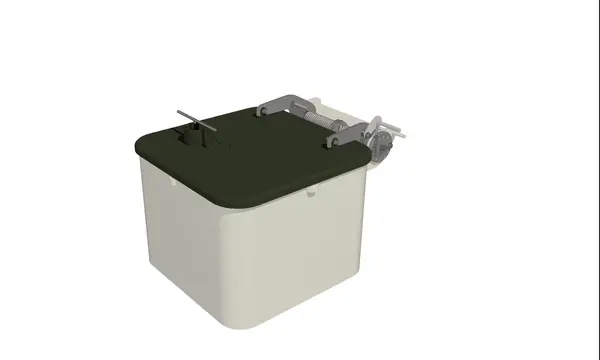
Oceanco adds established Dutch marine manufacturer Winel to its group, bringing custom yacht door and hatch engineering, tank vent valves and specialist suppliers.
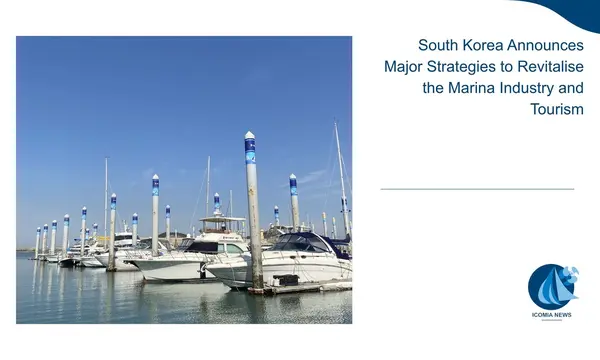
South Korea’s Ministry of Oceans and Fisheries outlines a marina revitalisation strategy focused on regional visitor demand and AI-enabled berth information.
Sunshine Coast Council voices support for the Brisbane 2032 Marine Project as officials consider superyacht berthing needs and regional economic opportunities.
Superyacht Guide
Continue into the wider Superyacht Guide.
Business opportunities · Superyacht Guide
Companies serving the superyacht market can discuss clearly identified advertising, sponsorship and business-profile opportunities. Commercial activity remains separate from independent editorial coverage.