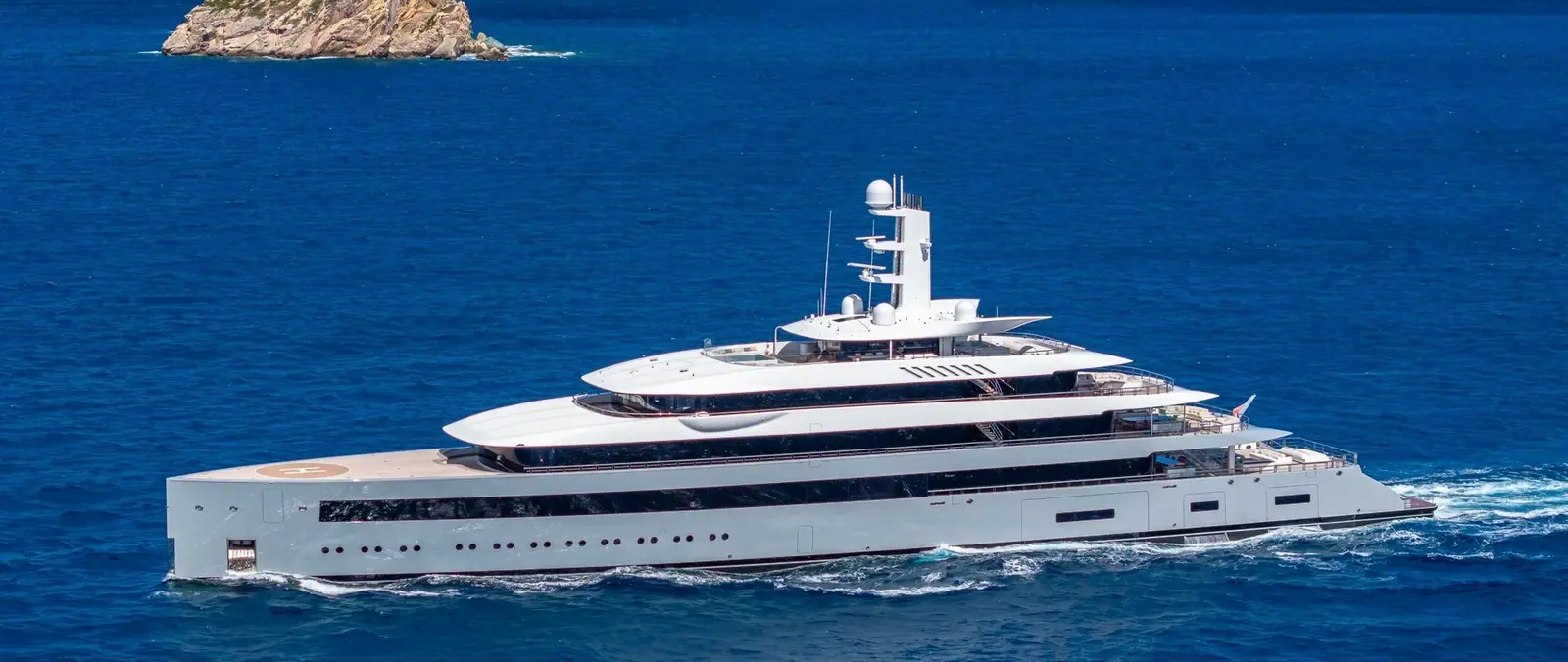
A burst of brokerage activity is giving the 2026 superyacht market unusual momentum before Cannes and Monaco, with strong sales and sustained 40–60m demand.
The European autumn yacht-show season is opening against a brokerage backdrop that looks stronger than many operators expected at the start of 2026. A run of high-value sales, continued demand in the 40–60 metre segment and a dense September show calendar are giving brokers and builders a more active market to work with than the headlines around geopolitical risk might suggest.
Burgess says it completed 31 yacht sales in 32 weeks during 2026, with an average length of 50 metres and activity stretching from 30-metre yachts to vessels above 90 metres. The brokerage also reported an average asking price of €42 million across those transactions, indicating that activity has not been confined to lower-value inventory.
Fraser provided a second signal earlier in the year when it reported 12 superyacht sales in 12 days with a combined last-asking-price value of about US$250 million. Fraser said the run included brokerage and new-build transactions and followed more than 30 sales over the preceding four months, suggesting that the January burst was part of a broader sequence rather than an isolated week.
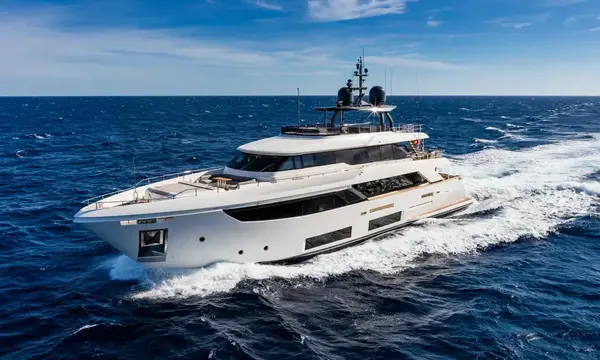
The strongest activity is not simply a race toward ever-larger yachts. In an August market analysis, Burgess described the 40–60 metre sector as the brokerage market’s current sweet spot, citing a combination of range, guest space, manageable crew numbers, marina access and operating efficiency that appeals to both first-time and experienced owners.
Burgess also published internal analysis of 100 yachts from 30 to 100 metres that found ownership costs rising by about 15 percent for each additional five metres while charter revenues rose by about 22 percent. Its figures showed an especially sharp increase in charter rates between 55 and 60 metres, which helps explain why buyers who intend to charter part of the year may see unusual economic leverage in that band.
That does not mean every yacht between 40 and 60 metres has the same economics, and specification, volume, crew size and technical complexity still matter. What the segment offers is a compromise: enough volume for beach clubs, wellness areas, offices and long-range capability, but without automatically moving into the scale, crewing burden and berth restrictions associated with the largest yachts.
The first major September test comes at the Cannes Yachting Festival from 8 to 13 September 2026. The organiser is promoting more than 700 boats and yachts and more than 680 exhibitors, giving buyers an unusually broad view of new production, semi-custom, brokerage and equipment offerings in a single week.
Cannes matters because it captures the market below the very largest custom yachts, where production builders and smaller superyachts overlap with the 40–60 metre brokerage segment now attracting attention. If order discussions and brokerage enquiries remain active there, it would support the idea that current momentum is broad enough to extend beyond a handful of trophy transactions.
Two weeks later, the Monaco Yacht Show will concentrate the market at a different scale, with organisers expecting around 120 superyachts in Port Hercule from 23 to 26 September. The first official fleet list included 43 yachts delivered in 2026, putting a large amount of near-new inventory beside shipyards, brokers and prospective clients at the point when many 2027 and 2028 buying decisions begin to take shape.
The show organiser has also highlighted the long lead times still associated with new commissions at leading yards, noting that some clients looking at a fresh build can be waiting until 2028 or beyond. That gives recent deliveries and high-quality brokerage yachts a commercial advantage: they offer a way into the market without accepting the full delay of a new-build slot.
Strong transaction numbers do not mean every yacht will sell quickly or that pricing discipline has disappeared. The evidence from Burgess and Fraser instead points to a selective market in which quality, realistic pricing, manageable ownership economics and immediate availability are helping certain yachts move while other inventory can still sit.
The autumn shows will therefore be useful less as a celebration of raw volume than as a test of where buyers are actually concentrating capital. If the strongest enquiry continues to cluster around capable 40–60 metre yachts while larger recent deliveries also attract buyers unwilling to wait for new construction, the 2026 season may finish with a clearer market hierarchy than it began with.
Explore
Go deeper into the yachts, companies, events and destinations directly connected to this article.
Continue reading
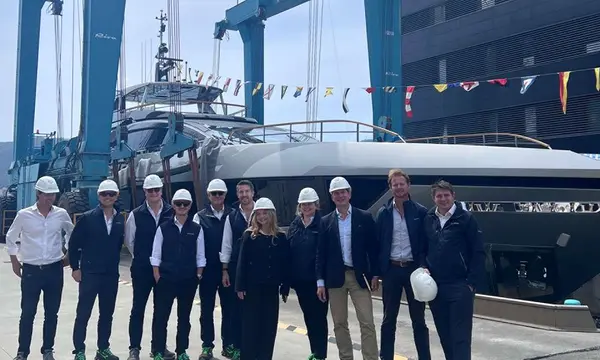
Burgess says Italy remains the world’s most prolific superyacht-building nation, with 568 projects under construction and total build length increasing in 2026.
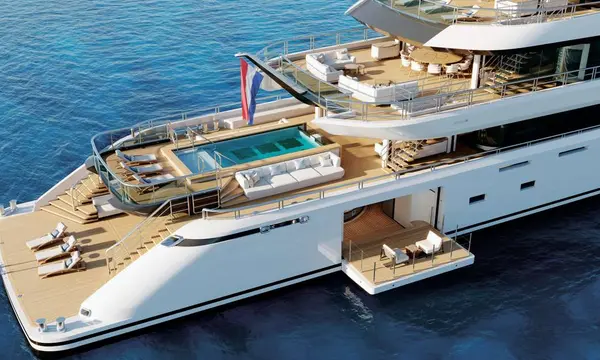
Burgess has identified nine 60m-plus yachts currently available during construction, giving buyers access to large-yacht projects without beginning from a blank sheet.
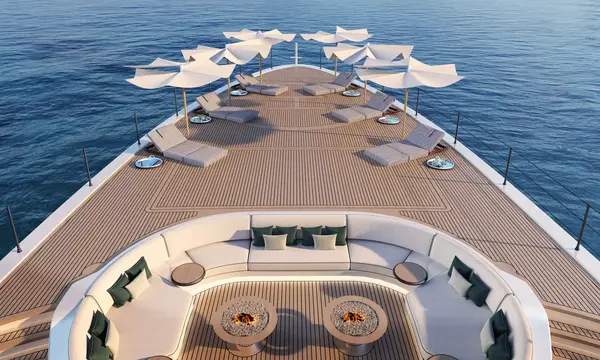
Burgess has identified near-completion new-build opportunities that can shorten the route to ownership, including a 47m Benetti and 65m Royal Hakvoort.
Burgess says more than 80% of current yacht projects sit below 500GT, a segment balancing large-yacht amenities with simpler regulation, crewing and ownership.
Superyacht Guide
Continue into the wider Superyacht Guide.
Business opportunities · Superyacht Guide
Companies serving the superyacht market can discuss clearly identified advertising, sponsorship and business-profile opportunities. Commercial activity remains separate from independent editorial coverage.