
Marina networks, refit groups and service businesses are attracting larger pools of private capital, accelerating a shift from independent operators toward integrated platforms.
The superyacht industry's consolidation is happening less through headline shipyard mergers than through the infrastructure and service businesses around the yachts themselves. Marina networks, refit groups and specialist suppliers are being assembled into larger platforms that offer private capital something the historically fragmented sector rarely provided: scale, recurring revenue and assets that are difficult to reproduce.
The transactions are easy to miss because the yachts do not change names when a fund buys a marina group or a refit company acquires a supplier. Yet ownership above the waterfront is changing quickly, and the companies controlling berths, lifting capacity, paint, technical services and customer networks are increasingly connected by the same investment logic.
In July, D-Marin announced an agreement for InfraVia European Fund VI to acquire the marina group from CVC, which had owned it since 2020. D-Marin said the new investor would support continued infrastructure spending, digitalisation and selective growth, with completion expected during 2026 subject to approvals.
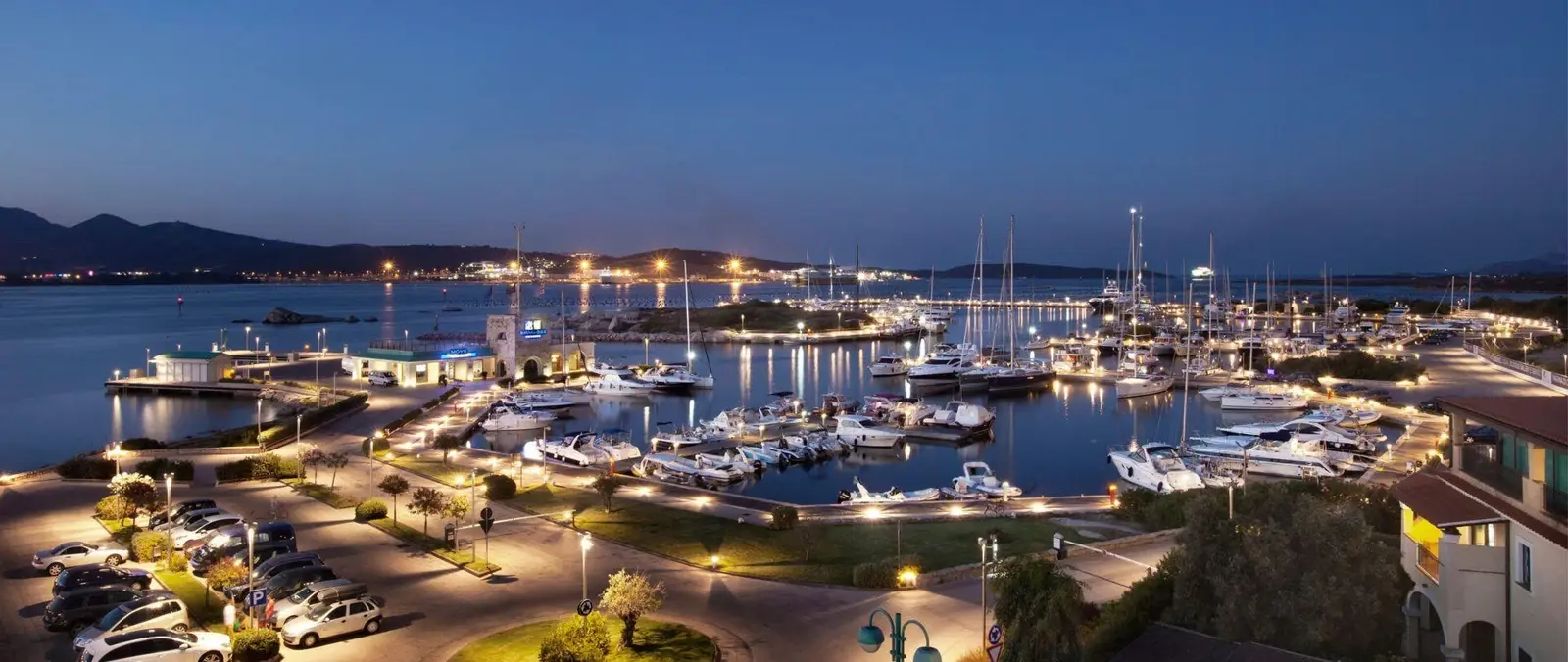
The platform was still expanding while that ownership change was being arranged. In April, D-Marin acquired the Olbia Marina assets in Sardinia, adding Marina di Olbia Yacht Service and Molo Brin to a network that it said had reached 27 marinas, more than 14,000 berths and over 1,000 spaces dedicated to superyachts.
The same consolidation is visible in refit. Squircle Capital reached 100% ownership of MB92 in March after building its stake since 2019, while MB92 has added major infrastructure in Barcelona and La Ciotat and expanded geographically through Golfe-Juan.
MB92 has also moved vertically into adjacent services through its acquisition of GYG Limited, bringing Pinmar, Pinmar Yacht Supply and Technocraft inside the group. That combination allows a refit platform to capture more of the expenditure surrounding a project instead of acting only as the landlord for outside contractors.
Independent yards, marinas and suppliers still dominate many parts of the industry and often compete through specialist knowledge or personal service. Larger groups, however, can spread technology investment across multiple sites, centralise purchasing and marketing, move customers through a network and finance infrastructure with a balance sheet that a single-location operator may not match.
That does not guarantee better service, and consolidation can create its own integration risks. It does mean that competition is increasingly taking place between systems of businesses rather than between isolated facilities, particularly where a group can keep berth, refit and technical spending within its own ecosystem.
The MB92 ownership story shows what consolidation looks like when investment capital stays with a specialist operator long enough to reshape the business. Squircle Capital moved from a 77.5% stake in MB92 in 2019 to 100% ownership in March 2026, while the refit group added a 4,800-tonne shiplift in Barcelona, a 4,300-tonne platform in La Ciotat and operations in Golfe-Juan.
The same period pushed consolidation further down the superyacht supply chain, with MB92 acquiring GYG Limited and bringing Pinmar, Pinmar Yacht Supply and Technocraft into the group. That matters because the investment case is no longer only about owning a yard: it is increasingly about controlling more of the technical capability, service spending and customer relationship surrounding each refit project.
Superyachting will remain fragmented at the level of craftsmanship, design and specialist expertise because owners still buy highly individual products and services. The assets beneath that experience are nevertheless being packaged into categories familiar to institutional investors: infrastructure platforms, recurring maintenance businesses and networks with defensible locations.
The quiet consolidation matters because it can reshape an industry without changing what owners see on the dock. The marina sign, paint brand or refit yard may remain familiar while the capital, strategic decisions and growth targets behind it move into a much larger corporate structure.
Explore
Go deeper into the yachts, companies, events and destinations directly connected to this article.
Continue reading

D-Marin Livorno has opened 2027 annual berth bookings with savings of up to 15%, offering berthing for yachts up to 80m during the marina's …

D-Marin says June and July bookings for yachts over 50 metres rose 33% year-on-year, while bookings for 30–50m yachts increased by 10%.
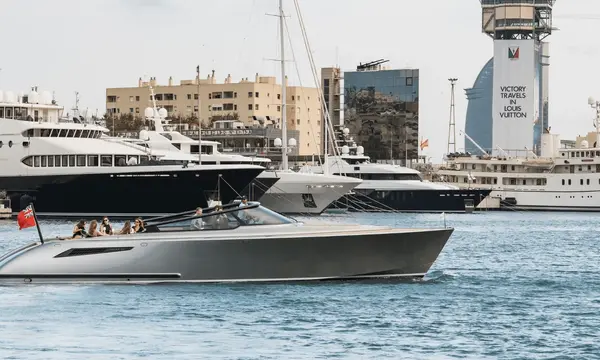
The Mediterranean still has thousands of marina berths, but suitable space for the largest yachts in the most desirable ports is becoming a strategic …

Confindustria Nautica presented the eighth edition of its customs and tax guide, covering temporary admission and refit-related guarantees for visiting yachts.
Superyacht Guide
Continue into the wider Superyacht Guide.
Business opportunities · Superyacht Guide
Companies serving the superyacht market can discuss clearly identified advertising, sponsorship and business-profile opportunities. Commercial activity remains separate from independent editorial coverage.