Why Superyacht LED Refits Should Preserve Original Lighting Before Replacing It
By Stephen Yardley · Edited by Stephen Yardley
Image: Marine Light Corp
A practical look at superyacht LED refits: why original light fittings, joinery and the interior designer's intentions should be assessed before complete replacement.
Replacing halogen lights with LEDs is a familiar item on the worklist of an ageing superyacht, but replacing every fitting is not necessarily the best way to modernise the result. A carefully designed refit starts by assessing the condition and purpose of the original luminaires, the surrounding joinery and the electrical systems that control them.
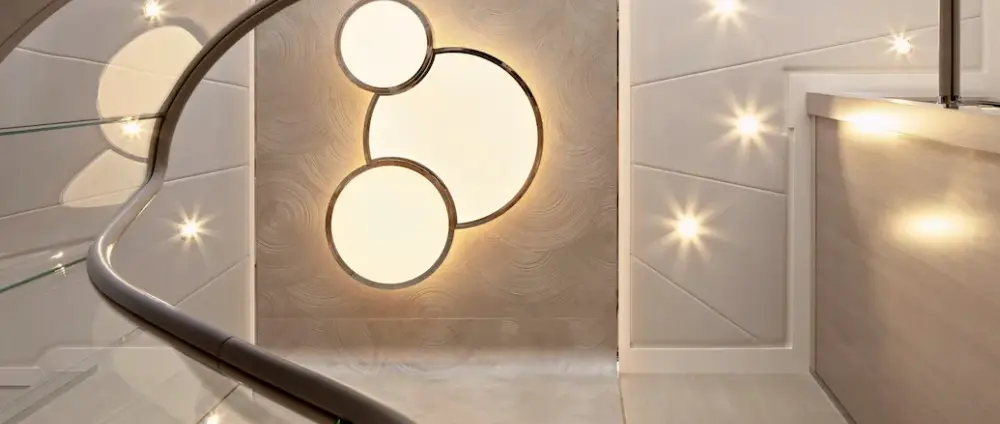
Specialist manufacturer Marine Light Corp supplies marine lighting and custom fittings, illustrating the extent to which yacht lighting must be specified as part of the interior architecture. On a custom yacht, a light can be a crafted object as well as an electrical component, and replacing it may create unnecessary changes to ceilings, decorative finishes or cabin proportions.
Older bronze or stainless-steel housings may remain sound even when their light sources, drivers or optical elements have become obsolete. A conversion can sometimes retain the visual appearance while upgrading the parts responsible for efficiency, dimming, beam control and colour consistency.
The correct approach depends on the original construction and thermal design, not only on whether an LED module physically fits into the opening. If a fitting cannot dissipate heat safely or cannot be serviced, preserving its housing at all costs may be less sensible than a carefully matched replacement.
A simple swap can leave colour temperatures mismatched across a saloon or produce beams that are too harsh for artwork and polished surfaces. Drivers, optics and dimming systems should be evaluated together so the interior has a consistent visual character at both daytime and evening settings.
Reduced electrical demand can also cut the heat that the yacht's air-conditioning system must remove, while longer-lived components may reduce maintenance frequency. Actual savings depend on installed wattage, usage hours, control strategy and the baseline system, so an owner should request a project-specific assessment rather than a generic percentage.
Salt, vibration, humidity, ultraviolet exposure and temperature cycles create different failure modes from those found in a domestic installation. Corrosion resistance, drainage, seals, service access and suitable thermal management are therefore as important as brightness for deck and exterior fittings.
The refit brief should include a survey of existing fittings, documentation of lighting scenes and a plan for future spares. The aim is for the interior to retain its intended character while becoming easier to operate, maintain and enjoy for another ownership cycle.
Explore
Go deeper into the yachts, companies, events and destinations directly connected to this article.
Continue reading
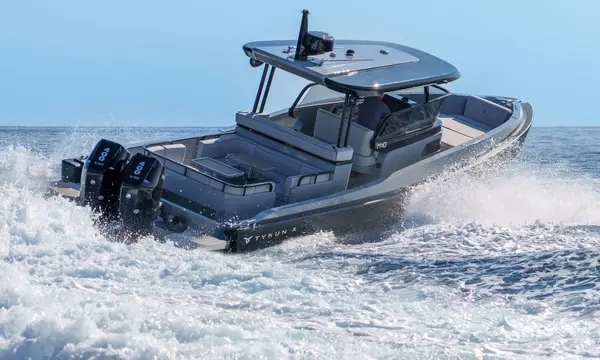
TYKUN is presenting its aluminium tender range in Monaco after completing cradle-to-grave lifecycle analysis for the X and XII, with an EPD now under …
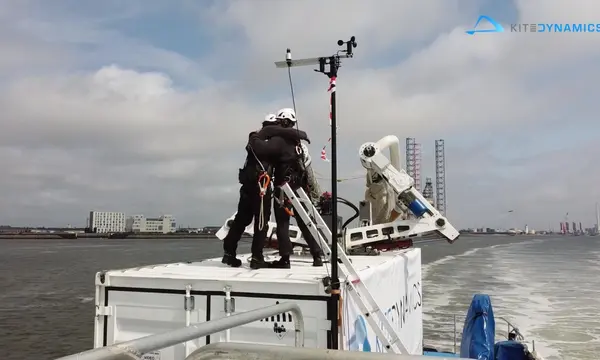
Kite Dynamics is developing four-line kite propulsion following at-sea trials in 2025 and 2026, with yacht applications remaining at the prototype and engineering stage.

Brookes Bell's CMAP corrosion-mapping service helps refit teams assess steel plate condition beneath superyacht decking, coatings and fairing before yard work begins.

Panoblu IR combines twelve thermal sensors in a mast-mounted unit to give superyacht crews a continuous all-round view for night watch and perimeter awareness.
Superyacht Guide
Continue into the wider Superyacht Guide.