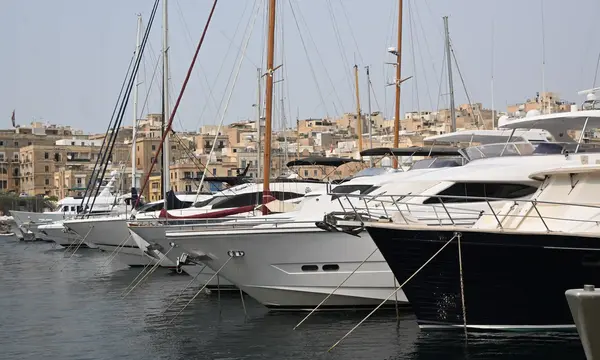
Malta Superyacht Marinas: Berths, Refit and Services
Malta combines large-yacht berthing with refit infrastructure and central Mediterranean access. We compare Grand Harbour, Marsamxett and Gozo options.
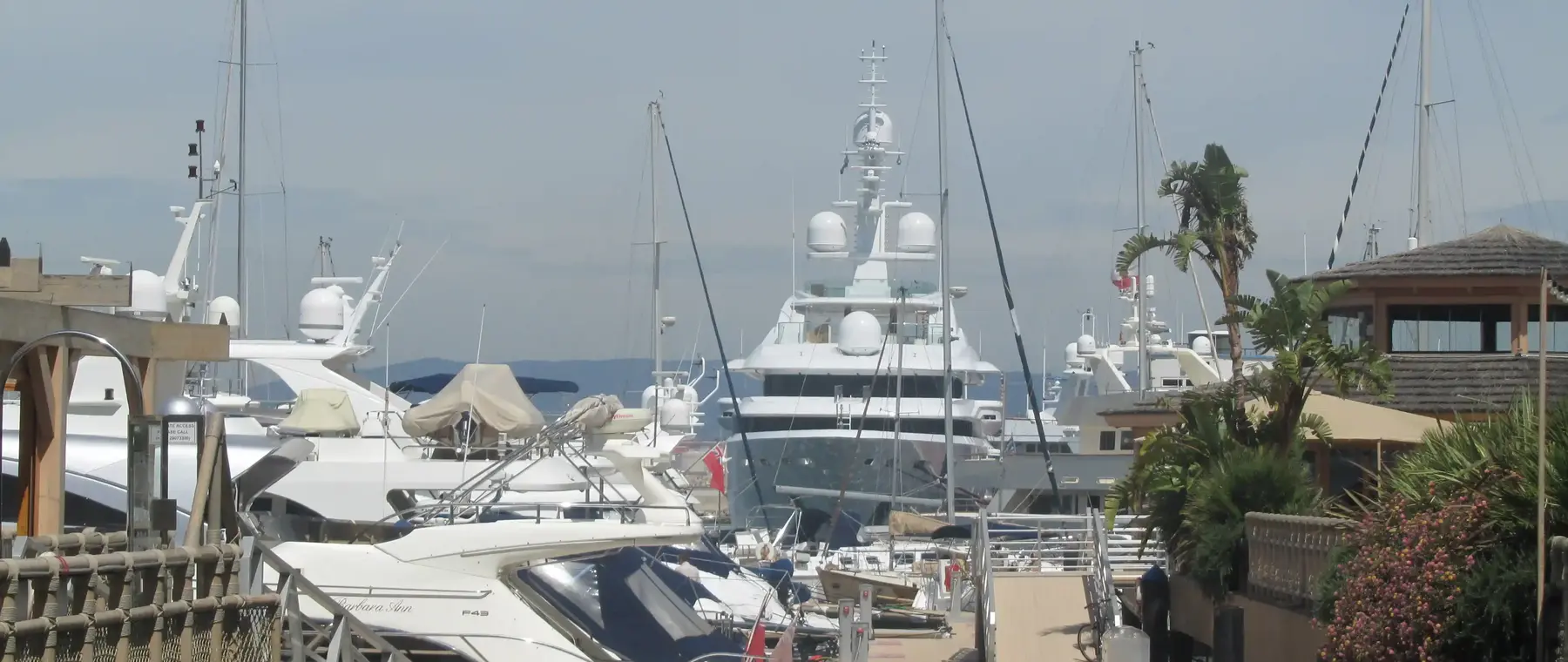
A de-duplicated guide to marinas with verified 100m-plus yacht capacity, from Porto Montenegro and St Thomas to Barcelona, Monaco and Malta.
Once a yacht reaches 100 metres, marina choice stops being a broad consumer comparison and becomes a specialist infrastructure problem. The vessel needs extraordinary berth length, manoeuvring room, depth, mooring loads, shore power, security and service access, and many otherwise excellent superyacht marinas simply do not have a berth designed for that scale.
The Superyacht Guide database currently contains 69 marina records with a stated maximum yacht length of at least 100 metres, but that raw number includes historical duplicate records and alternate names for the same physical facilities. This article therefore de-duplicates obvious repeats and combines the database with current operator specifications where those are available.
A published maximum LOA is not a promise of availability. The largest berth may be unique, privately leased, reserved for events or subject to harbour-master approval, and beam or draft can eliminate a yacht that fits by length. Every 100-metre-plus arrival requires direct operational confirmation.
Porto Montenegro sits at the extreme end of the current European dataset at 250 metres, while IGY publishes Yacht Haven Grande in St Thomas at 200 metres and Marina Port Vell publishes 190 metres in Barcelona. These figures show how a small number of marinas have deliberately designed infrastructure around giga-yachts rather than merely accepting them when space happens to exist.
Marina Port Tarraco publishes a 160-metre berth, more than nine metres average draft and high-capacity electrical infrastructure, making it a particularly clear example of a marina engineered for very large yachts. Port Vauban, Yas Marina and other 140-150 metre facilities then form another tier that covers a substantial part of the global 100m-plus fleet.
At 130 to 135 metres, facilities such as Grand Harbour Marina, Marina Genova, Port Hercule, Porto Mirabello and Vilanova remain capable of hosting many of the world’s largest operational yachts. A 100-metre yacht does not need a 200-metre berth, but extra margin can simplify manoeuvring and mooring depending on berth geometry.
Length attracts attention because it is easy to compare, but draft can be the harder limit. A 110-metre yacht drawing more than five metres may have fewer options than a shallower 120-metre yacht, particularly in dredged basins or approaches where the nominal berth length looks generous. Squat, tide and required under-keel clearance further reduce the usable depth.
Beam affects fairways, turning basins and the space available between neighbouring yachts. Windage also increases dramatically with large superstructures, so harbour masters may impose tug requirements or wind limits for movements that smaller yachts can perform independently. The berth has to work for arrival and departure, not only once the yacht is tied up.
Power is another scale problem. Hotel loads on a 100-metre yacht can be substantial, and insufficient shore supply forces generators to remain online, increasing fuel use, noise and emissions. High-voltage shore connections, transformer compatibility and reliable utility management are therefore part of berth selection for giga-yachts.
A 100-metre yacht can carry dozens of crew, multiple tenders, containers of provisions and a constant flow of contractors. ISPS security, vehicle access, waste handling, bonded stores, fuel delivery and large freight movements need to work without disrupting guest privacy. A beautiful marina without back-of-house logistics can become difficult during a long stay.
Airport proximity also changes the operating equation. Crew rotations, technicians, owner flights and spare parts move continuously, so Barcelona, Genoa, Nice-area ports, Malta, Dubai and other well-connected hubs can be attractive even when another marina offers a longer theoretical berth. Time on the road becomes a real operating cost.
Refit access can be equally important. Some marinas are embedded in major service regions or adjacent to yards, while others are primarily guest destinations. A captain may choose a technical base for winter and a more glamorous berth for owner periods, rather than expecting one marina to optimise every part of the annual programme.
Start with verified LOA, beam, maximum operating draft, air-draft constraints and electrical load, then ask the marina to identify the exact berth rather than simply confirming that yachts of the same length have visited before. Request approach information, mooring configuration, tug or pilot requirements and any seasonal restrictions.
Next test the berth against the programme. A one-night fuel and provisioning stop has different priorities from a three-month winter stay. Security, crew facilities, technical access and long-term utility costs become progressively more important as the stay lengthens, while guest access and event proximity may dominate during a short owner visit.
The 100-metre threshold is therefore a useful filter, not a final answer. The marinas listed here demonstrate where the infrastructure exists, but a safe and efficient berth remains a yacht-specific operational decision that must be confirmed with the marina and harbour authority before arrival.
Continue reading
Malta combines large-yacht berthing with refit infrastructure and central Mediterranean access. We compare Grand Harbour, Marsamxett and Gozo options.
The strongest Caribbean marinas for large yachts combine berth capacity with depth, fuel, security, customs, provisioning and practical seasonal location.

Europe’s largest superyacht marinas are ranked by verified maximum yacht length, with historical duplicate records removed and operator data checked.
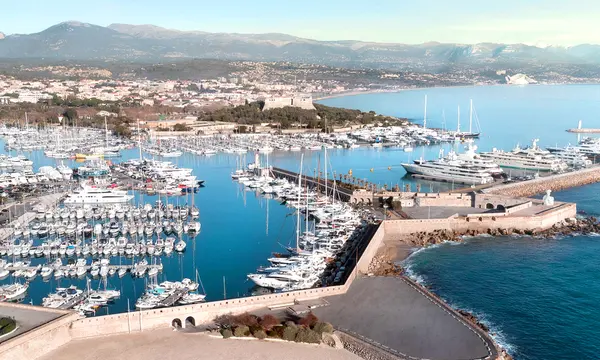
Antibes remains one of the Mediterranean's most practical superyacht bases, led by Port Vauban and the IYCA's capacity for yachts up to 160 metres. …
Superyacht Guide
Continue into the wider Superyacht Guide.