TBS Adds Adler EF3 High-Breaking-Capacity Fuses for Marine DC Systems
By Stephen Yardley · Edited by Stephen Yardley
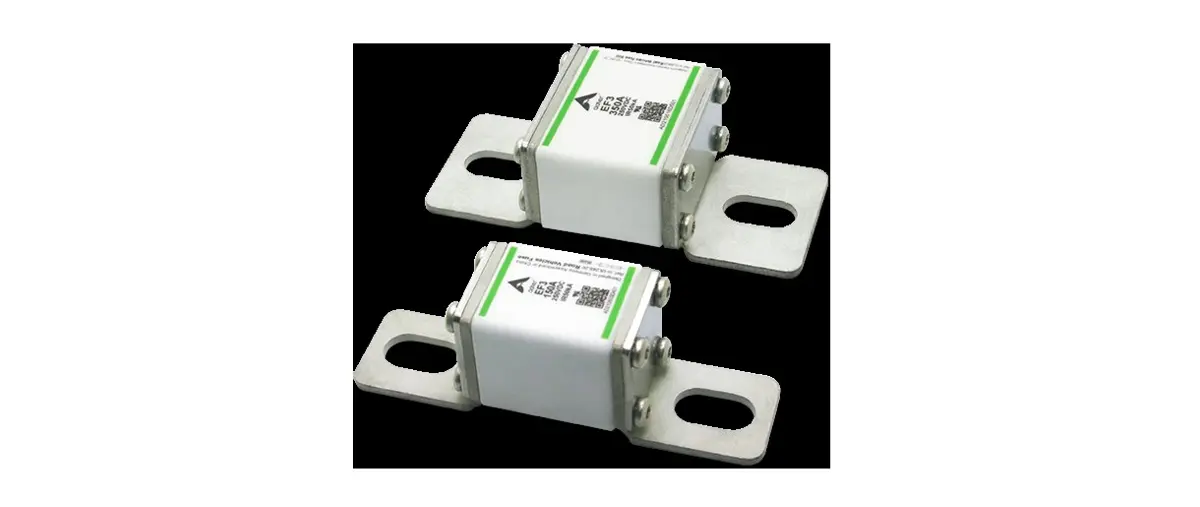
TBS Electronics adds Adler EF3 fuses, rated to 250V DC with 50kA breaking capacity, expanding options for marine battery and electrical protection.
TBS Electronics has added Adler Germany's EF3 fuse family to its range of electrical protection products, broadening the options available for direct-current power installations. According to the Dutch supplier, the new fuses are rated for DC voltages up to 250 volts and have a stated breaking capacity of 50 kiloamps. The announcement is relevant to yacht electrical engineers because fault interruption capability is as important as normal operating current.
The company says that in many applications the EF3 line can replace Class-T-style fuses and fits its ANL M8 600-amp fuse holder, product number 5073550. Those statements describe product compatibility at the supplier level, but a substitution must still be confirmed against the installed system's approval, rated current, prospective fault current and protection coordination. A familiar holder shape is not sufficient proof of suitability.
Modern yachts often carry large DC battery systems supporting inverters, propulsion auxiliaries or specialist equipment. These installations can deliver extremely high currents into a fault, particularly where batteries and distribution conductors have low impedance. A fuse intended for such circuits must be capable of opening the fault safely without sustaining an electrical arc.
The interrupt rating describes the current that a protection device can break under defined conditions, not the continuous current it should carry. Mixing those concepts can lead to inadequate protection: a large nameplate ampere rating does not mean the device can safely interrupt the worst fault its connected battery bank could produce.
Alternating current passes through zero periodically, which assists arc extinction in many protective devices. Direct current does not provide that regular natural interruption, so fuse construction and tested DC voltage ratings become essential. The same component may have different capabilities under AC and DC service, and engineers must examine the exact manufacturer's specification.
An electrical system designer calculates the prospective short-circuit current using battery characteristics, conductor resistance and the configuration of parallel sources. The chosen fuse then needs an adequate breaking rating and appropriate operating characteristics for the conductors and equipment it protects. Installations can be particularly demanding when batteries are replaced with newer chemistries that provide greater instantaneous current.
Protection coordination means placing devices so that a fault is interrupted by the appropriate protective element while unnecessary loss of other services is minimised. Superyachts may have distinct battery banks for emergency support, technical control, guest services and auxiliary loads, making the arrangement of isolation and redundancy a significant part of the design.
Fuse holders and busbars must also be suited to the electrical and thermal conditions expected. Clear labelling, safe access, manufacturer-approved connections and sufficient working space make later maintenance safer, especially when fault diagnosis occurs under operational pressure.
Retrofitting a newer protection device offers an opportunity to review conductor condition and the quality of existing terminations. Corrosion, vibration and repeated heating can compromise connections even when the nominal fuse specification is correct. A marine electrician should evaluate torque requirements, enclosure ventilation and proximity to other equipment before accepting the installation.
An engineer must also consider whether the fuse can be removed and replaced safely, what isolation procedure is required and whether spare units are carried onboard. A well-documented protection schedule reduces the possibility that an inappropriate substitute will be fitted during an urgent repair far from a specialist chandlery.
TBS Electronics is a Netherlands-based designer of inverter, battery charging, monitoring and DC distribution equipment. By adding Adler's EF3 products, it extends the protection options available alongside its own power-conversion portfolio, though the fuse itself is an Adler product rather than a new TBS-manufactured device.
The practical news for yacht builders and refit managers is the announced availability of an additional high-breaking-capacity DC fuse family through TBS. The announcement does not establish suitability for every lithium battery or superyacht installation, and all final selections require compliance with the technical design and applicable rules.
Explore
Go deeper into the yachts, companies, events and destinations directly connected to this article.
Continue reading
CMC Marine has provided new technical detail on the energy-management architecture behind its electric stabilisers and thrusters, explaining how capacitor storage can reduce abrupt …
Dutch manufacturer TBS Electronics has introduced updated S versions of its Powersine Combi 2000W to 3500W inverter-chargers, adding parallel stacking and revisions to battery …

New Zealand's Oceania Marine says its participation in the 2026 Monaco Yacht Show helped promote Asia-Pacific cruising and the region's specialist refit capability to …

Fraser has been named the yacht-charter company winner in The Zoe Report's 2026 Readers' Choice Awards following a public reader vote.
Superyacht Guide
Continue into the wider Superyacht Guide.
Business opportunities · Superyacht Guide
Companies serving the superyacht market can discuss clearly identified advertising, sponsorship and business-profile opportunities. Commercial activity remains separate from independent editorial coverage.