Tureddi Holds Coin Ceremony for 52m Stilnovo Yacht in Pisa — SYG newsroom 25 Nov batch05
Tureddi Yachts marks construction of the 52m steel-and-aluminium Stilnovo 52 in Pisa with an owner-attended coin ceremony and confirmed design team.
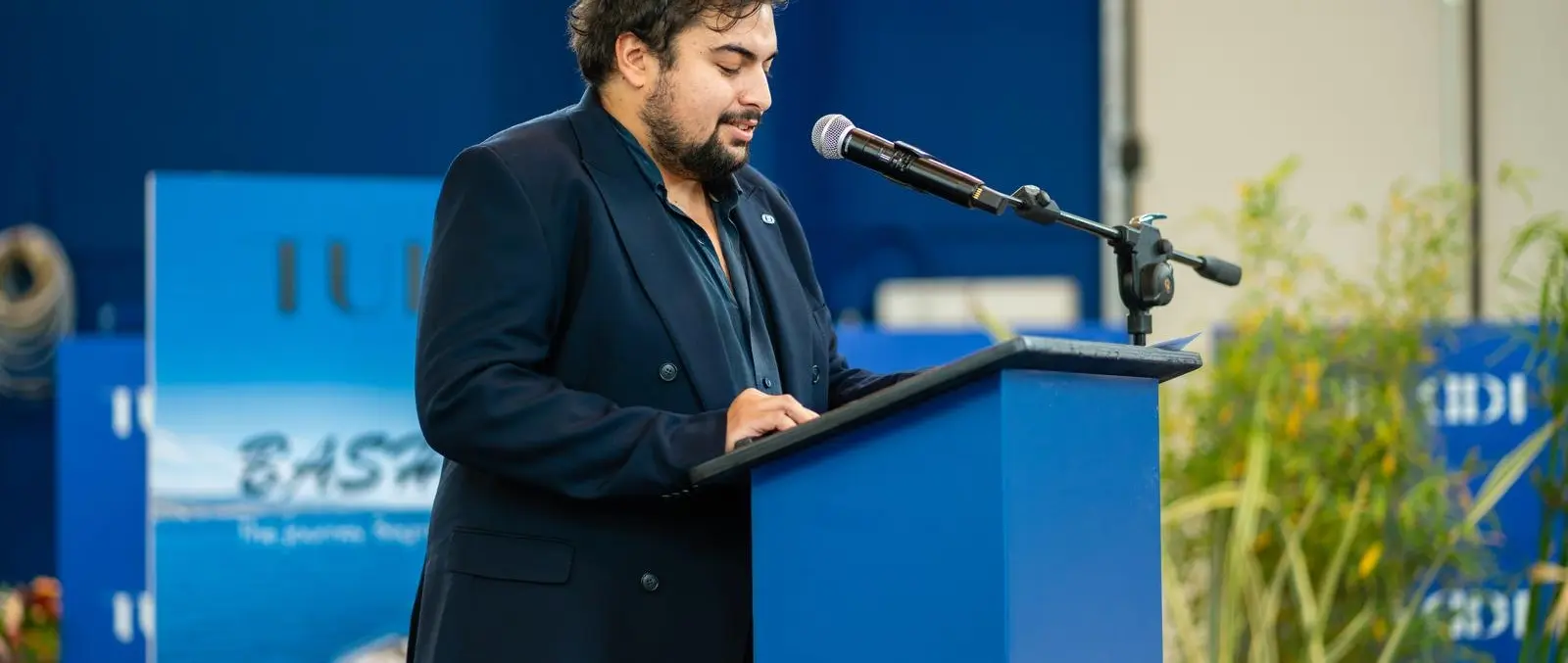
Tureddi Yachts has held a traditional coin ceremony for the 52-metre Stilnovo 52 superyacht now under construction at the shipyard's new facility in Pisa, Italy. The milestone was reported on 17 November 2026 and took place with the owners present. A coin ceremony is a symbolic event intended to bring good fortune and protection to a vessel. It is not the same as a launch, sea trial or delivery, so the yacht should continue to be described as under construction rather than already completed.
The shipyard's announcement confirms the project as a displacement motor yacht with a steel hull and aluminium superstructure. Marco Casali is credited with both exterior and interior design, while naval architecture is attributed to Francesco Rogantin. These identified participants are meaningful details because a yacht of this length requires close coordination of structure, machinery, stability, accommodation and aesthetic design. No firm completion date or contract value is provided in the short report, and those figures should not be inferred from the ceremony alone.
Maritime construction traditions often mark moments when the future vessel is recognised as a distinct project by its builders and owners. The placement or presentation of a coin has symbolic significance rooted in the hope for safe voyages and successful service. It creates an occasion for the people involved to acknowledge progress, but it is not a technical certificate. A vessel can still have considerable fabrication, installation, commissioning and testing ahead of it after such an event.
For a custom superyacht, the ceremonial element can also bring the owner into contact with the yard team responsible for turning an agreed design into a working vessel. That relationship matters over an extended build programme, when decisions about materials, equipment and detailed arrangements may continue to be made. The presence of the owners in Pisa is confirmed in the published report; the identities of those owners and the terms of their build agreement are not disclosed. Their participation should not be used as a basis for speculation about nationality or private financial circumstances.
The reported combination of steel hull and aluminium superstructure is familiar in large displacement yacht construction. Steel can provide an effective structural foundation for a hull designed around substantial internal volume and longer cruising programmes. Aluminium is frequently selected for upper structures where reducing weight high above the waterline can help meet the design's objectives. The eventual outcome depends on detailed engineering rather than the choice of materials in isolation.
Connections between different metals require careful attention to design, insulation and corrosion protection. Weight distribution, local structural loads and the placement of major machinery are also central to safety and handling. None of these considerations implies a fault with the Stilnovo 52 project. They are ordinary topics for the engineering team and surveyors to address during construction. The ceremony announcement does not disclose the vessel's displacement, detailed scantlings or stability calculations, so exact performance characteristics cannot responsibly be derived from the materials alone.
Tureddi describes the Stilnovo 52 as a displacement yacht designed for long-distance cruising. That concept places importance on endurance, usable spaces and consistent operating comfort, rather than on extreme top speed. For an owner planning extended voyages, fuel and water capacity, storage, redundancy and machinery access can make a substantial difference. The ability to support crew and guests for prolonged periods is also a design problem requiring careful attention to hotel systems and service circulation.
No confirmed range, fuel-consumption figure or cruising speed is provided in the November ceremony report. Such numbers should not be invented or borrowed from other 52-metre yachts. Even vessels of similar length may have very different propulsion arrangements and tank capacities. The relevant news is the builder's stated intention to produce a long-range displacement vessel, while the actual specifications should be published when the yard is ready to release tested and approved information.
Marco Casali is identified as responsible for both the exterior and interior design of the Stilnovo 52. A combined design role can help preserve a coherent visual concept from the exterior silhouette through the guest accommodation, although naval architecture and engineering remain separate technical disciplines. The public report describes large glazed surfaces and generous exterior areas intended to strengthen the relationship between life on board and the sea.
Glazing on a yacht must satisfy structural and safety considerations, especially where windows are close to exposed decks or subject to forces underway. The size and positioning of openings also interact with thermal performance, privacy and interior arrangement. A concept that appears open and light in images still requires careful engineering. The announcement does not specify the glass products, window thicknesses or class-approved details to be used. It is accurate to report the architectural intention without presenting the aesthetic description as proof of completed technical approvals.
Francesco Rogantin is credited with the naval architecture, the discipline responsible for translating broad expectations into a viable vessel. Hull form, resistance, stability, structure and the integration of major technical systems all influence the eventual build. For a large displacement motor yacht, decisions about volume and deck height may affect draft and the distribution of weight. The technical team must therefore coordinate with the exterior and interior designers as the project progresses.
The November report does not identify the final classification notation, flag or complete propulsion installation. Those details can be important to future owners and managers, but they are not established by the fact of the ceremony. A responsible account should avoid naming engine makers or assigning speed and range figures without evidence. The value of the announcement lies in confirming active construction and the people responsible for its principal design disciplines, not in inventing a specification to fill gaps.
The ceremony took place at Tureddi's new shipyard facility in Pisa. That setting matters because the infrastructure behind a large custom yacht includes fabrication areas, specialised trades, storage, quality control and coordination of suppliers. The yard must also plan the movement of sizable hull sections and eventually the launch and commissioning of the finished vessel. The report connects the Stilnovo 52 to the new site, but does not provide a measured production-capacity forecast or a complete list of other projects being built there.
For the region, superyacht construction can support jobs in engineering, carpentry, electrical installation, coatings and numerous technical services. However, the economic effect of a particular ceremony cannot be calculated from its occurrence alone. The investment made in an industrial facility and the scale of supplier orders require separate verified data. It is reasonable to view the project as evidence of work taking place at the Pisa yard, while withholding claims about a specific number of new jobs or future turnover.
A custom superyacht construction project typically includes recurring owner decisions about interior function, finishes and practical operations. Changes may need to pass through design teams and engineering review before being approved for production. Establishing communication early can help prevent misunderstandings about what is technically feasible, what may affect delivery and how the builder will document progress. A ceremonial gathering offers one opportunity to strengthen the relationship among those parties.
The Stilnovo 52 report states that the owners attended, but provides no information about their personal preferences or any special requests that have been agreed. Describing the yacht as an owner-led project is reasonable at a general level, yet individual features should not be attributed to the owners without a direct statement. The yacht's published large glazed areas and outdoor spaces are design characteristics identified by the source, not proof of the owner's identity or private travel plans.
A ceremony during construction may indicate that a project has reached a stage the builder considers important enough to recognise publicly. It does not mean that hull fabrication, interior fit-out, electrical commissioning, classification surveys and sea trials are finished. Large yachts generally pass through multiple stages of work before an owner can take delivery. Each requires different teams and evidence, and schedules may change as equipment and construction progress.
The future launch and delivery of the Stilnovo 52 should therefore be treated as separate forthcoming events. There is no confirmed date for either in the report reviewed. Likewise, no independent construction percentage or total build expenditure is stated. Publishing such figures without support would be misleading to owners and the trade. The proper status on 25 November 2026 remains an announced coin ceremony for a named 52-metre yacht that is still in build at Pisa.
The 17 November account provides five clear identifying details: a named 52-metre Tureddi Yachts project, a coin ceremony attended by its owners, an active construction location in Pisa, steel-and-aluminium structure and design responsibility shared between Marco Casali and naval architect Francesco Rogantin. These particulars are sufficient to record a real milestone involving a large superyacht. They also distinguish the current report from a generic discussion of the Stilnovo design family.
Future reports should follow verified milestones such as launch, technical trials, delivery or the disclosure of a detailed specification. Until then, claims about ownership value, engine performance or cruising itineraries should remain absent. For now, the significance is the continuation of the Stilnovo 52 construction programme and the visible involvement of the owners and shipyard team. That is a legitimate industry development without requiring unsupported promises about the vessel's eventual operating characteristics.
Primary source: SuperYacht24 shipyard-supplied report of Stilnovo 52 construction ceremony, 17 November 2026.
Stilnovo 52 construction-ceremony photograph provided in Tureddi Yachts’ November report via SuperYacht24; © Tureddi Yachts and original photographer. Official source.
Explore
Go deeper into the yachts, companies, events and destinations directly connected to this article.
Continue reading
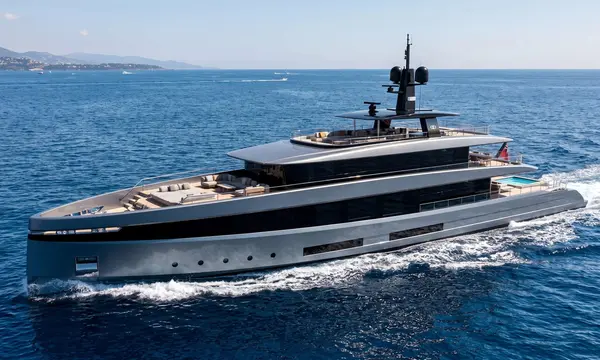
Tureddi's 52m bespoke displacement yacht reaches a traditional coin ceremony in Pisa, following its August sale and ahead of continued construction.
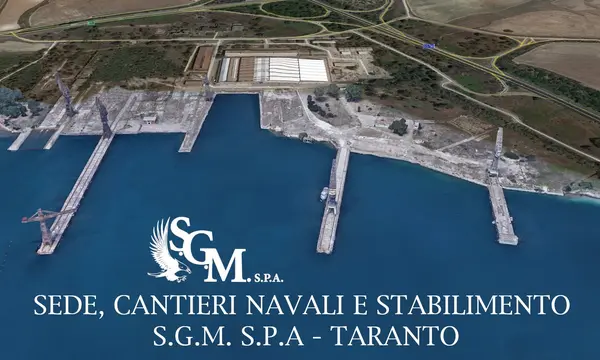
SGM has acquired the 130m MISS NORA barge for a planned 15,000–17,000-tonne floating dry dock at Taranto, with arrival expected on 25–26 November.

Ancona starts a €405,000 demolition of the former Tubimar complex to release industrial waterfront space for Ferretti Group and Palumbo Superyachts.
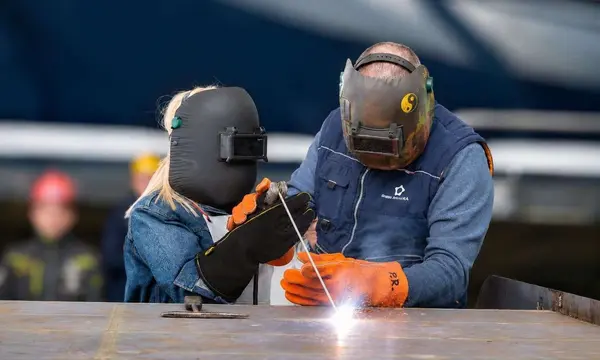
Antonini Navi lays the keel for its first 30m steel-and-aluminium XPD95 explorer, with interiors by Hot Lab and technical design by NAMES.
Superyacht Guide
Continue into the wider Superyacht Guide.
Business opportunities · Superyacht Guide
Companies serving the superyacht market can discuss clearly identified advertising, sponsorship and business-profile opportunities. Commercial activity remains separate from independent editorial coverage.
