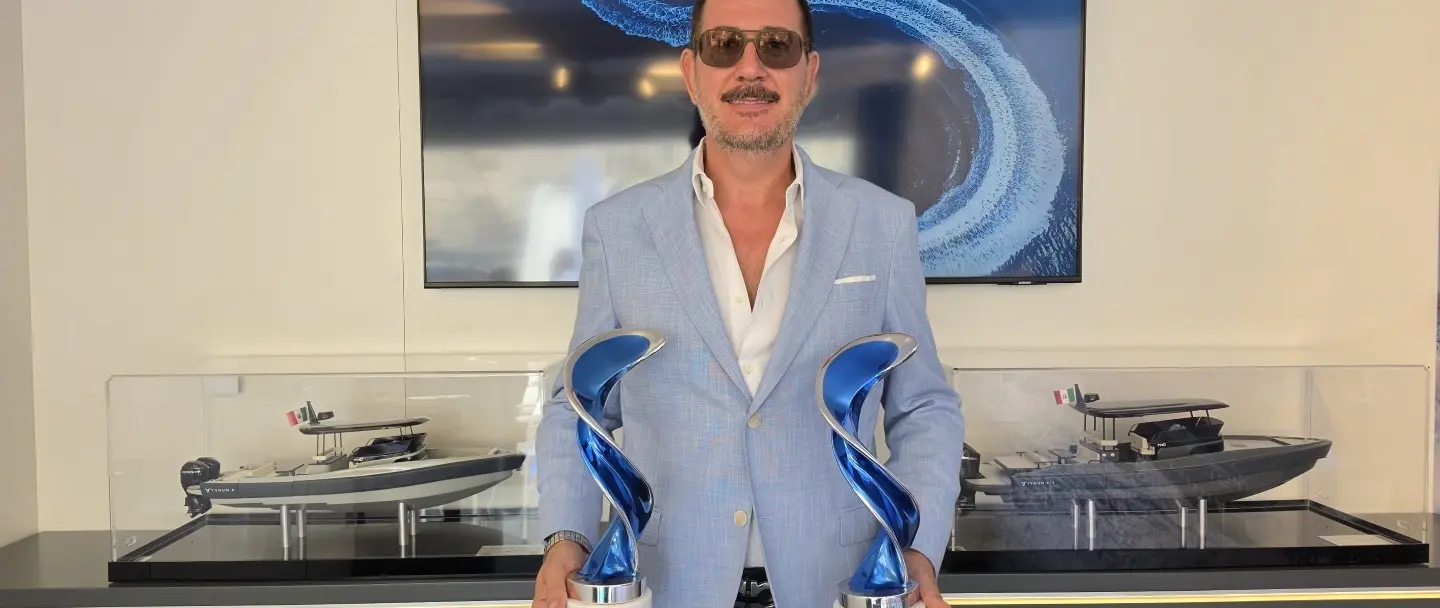
Image: TYKUN / SuperYacht24
Med Group CEO Marco Galimberti explains how TYKUN 12 evolves its military-derived aluminium tender platform with customized guest arrangements and rough-water priorities.
The TYKUN 12 is being positioned as a superyacht tender whose designers place seaworthiness ahead of showpiece styling. Marco Galimberti, chief executive of Med Group, outlined the strategy in an interview following the Monaco Yacht Show, explaining that TYKUN's aluminium platform owes much to experience with more demanding professional vessels.
The range was conceived around eight-, ten- and twelve-metre models, with the new twelve-metre version intended to provide significantly more deck flexibility than the TYKUN 10. The larger boat remains a tender or support craft rather than a superyacht, but it can materially affect how an owner uses a larger mothership.
The design team worked with Tommaso Spadolini to improve seating, walkaround circulation and outdoor social areas without losing the robust character of the established hull concept. Galimberti describes a process that was deliberately evolutionary: making the platform friendlier for leisure use rather than discarding the practical features developed for more exposed operating conditions.
Potential clients can ask for bespoke arrangements, and the company reports several requests involving different seating or bar configurations. Moving one feature can change the boat's weight distribution, so even apparently simple adjustments require engineering assessment. Flexibility in the sales conversation does not mean that every requested change is technically acceptable.
Galimberti says the hull and deck structures are fabricated in aluminium with individual elements welded rather than pressed. This approach allows specialist details, but it demands skill in joinery, distortion control and the integration of fittings and equipment. The resulting construction process is more involved than a moulded production hull with a fixed accessory layout.
For a captain, durability and handling matter when a tender is used repeatedly for guest transport, equipment delivery and visits to a berth exposed to chop. The interview stresses the ability to keep operating within appropriate limits when conditions become uncomfortable for lighter craft. Seakeeping claims still require trials, training and a prudent weather policy.
TYKUN has used demonstration boats to allow owners and brokers to experience the handling qualities directly, including relationships with Royal Yachts. The company has also promoted environmental product declaration work associated with RINA verification. Those initiatives can help purchasers distinguish engineering characteristics from promises that are difficult to test in a brochure.
This October interview adds detail about the design and commercial approach; it is not a second announcement of the Monaco environmental award previously reported. Actual tender selection should account for deck stowage, recovery gear, operating range and maintenance, as well as whether the boat can safely perform the roles assigned by the parent yacht.
Explore
Go deeper into the yachts, companies, events and destinations directly connected to this article.
Continue reading
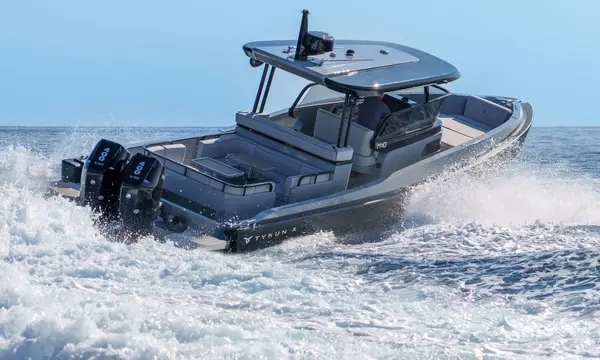
TYKUN is presenting its aluminium tender range in Monaco after completing cradle-to-grave lifecycle analysis for the X and XII, with an EPD now under …
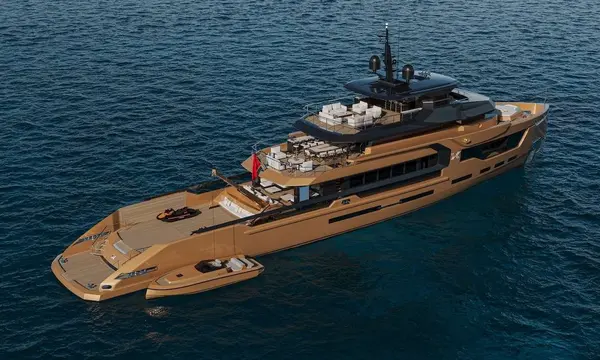
RMK and Hot Lab's 50m PETRA explorer concept offers three distinct configurations for family cruising, private use and more demanding expedition programmes.
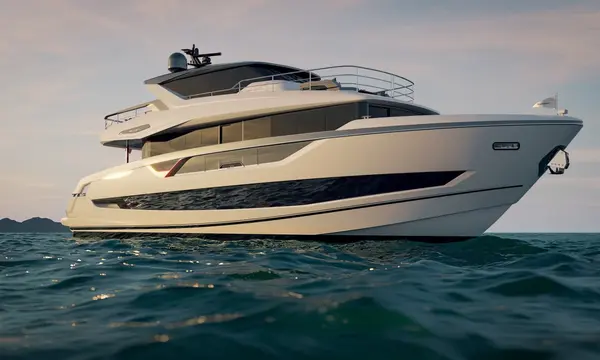
Sunseeker's 26.17m 86 Ocean Enclosed adds an integrated upper wheelhouse and Sky Lounge, flexible four- or five-cabin layouts and longer-range cruising intentions.
Pastrovich Studio presents an engineering-led 88m offshore-supply-vessel conversion for 30–36 guests, with modular construction and alternative expedition layouts.
Superyacht Guide
Continue into the wider Superyacht Guide.
Business opportunities · Superyacht Guide
Companies serving the superyacht market can discuss clearly identified advertising, sponsorship and business-profile opportunities. Commercial activity remains separate from independent editorial coverage.