Company
U.S. Superyacht Association
Explore the company profile and related Superyacht Guide coverage.
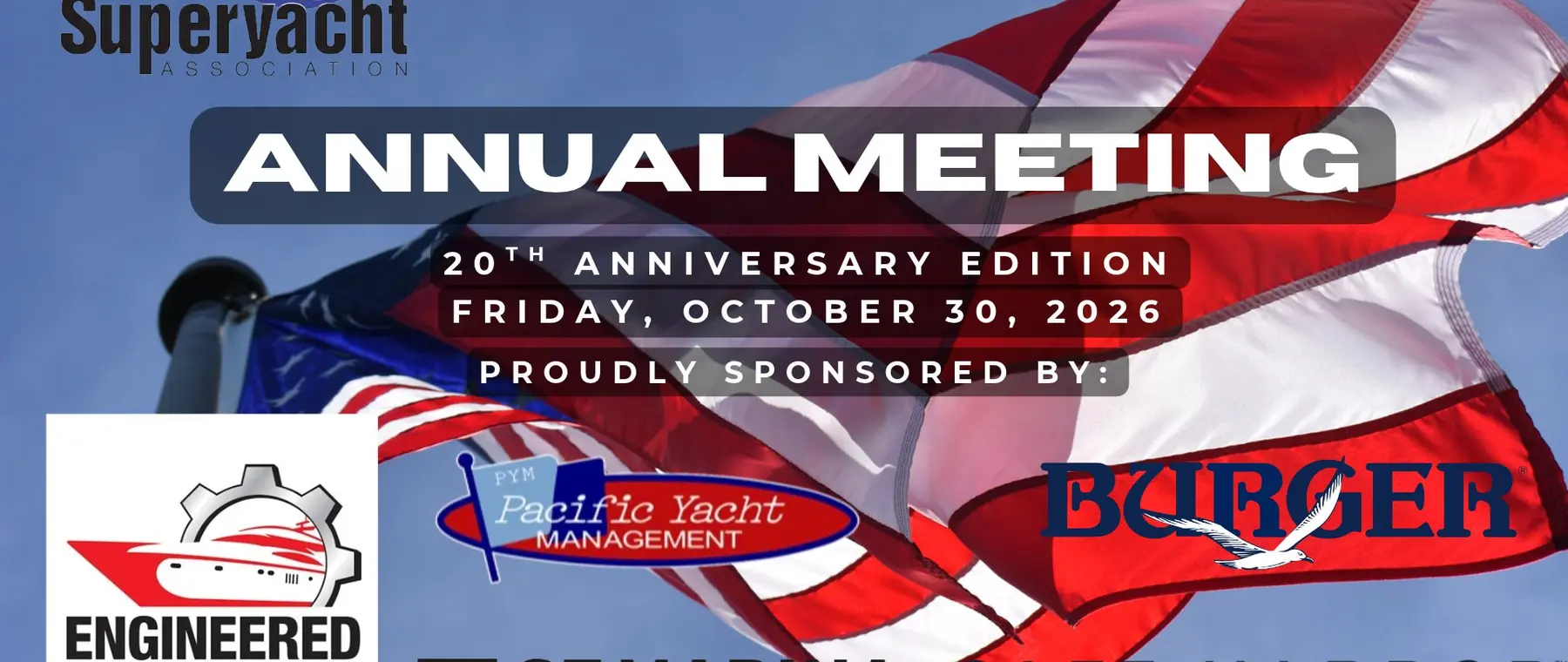
The U.S. Superyacht Association has marked two decades since its 2006 formation with a Fort Lauderdale International Boat Show programme covering classification, cruising destinations, marine conservation and workforce development.
The U.S. Superyacht Association has reached its 20th anniversary in 2026, using its programme at the Fort Lauderdale International Boat Show to bring several of the industry's practical issues into one set of meetings. Founded in 2006, the American trade body organised sessions on flag and classification requirements, cruising destinations, environmental measures and employment during the show from 28 October to 1 November. Its specially branded anniversary Annual Meeting was scheduled for Friday 30 October at Bahia Mar, making the anniversary a focal point of the Florida show's business programme.
The distinction between an anniversary and a change of policy is important. USSA published the schedule and meeting agenda, but the information reviewed does not establish a newly agreed regulation, a membership total or a resolution passed during the anniversary meeting. The documented milestone is two decades of activity and an unusually broad schedule of professional discussions surrounding it. For businesses that work across shipbuilding, refit, charter, brokerage and marine services, that is a relevant indication of the association's continuing role as an industry meeting point rather than evidence of a specific commercial result.
The association's official programme set its annual gathering for 8:00 to 9:30 a.m. on 30 October in the Bahia Mar Ballroom. The advertised purpose was to hear updates from USSA leadership, review current priorities and discuss the year ahead with members. The association presented the session as a 20th-anniversary edition, with industry support from Engineered Yacht Solutions, Pacific Yacht Management, SF Marina, Safe Harbor and Burger. Those are named sponsors of the meeting, not a list of companies making announcements at it.
The setting brought together two overlapping audiences: the companies that service large yachts in the United States and the international participants attending the Fort Lauderdale show. USSA describes itself as the only U.S. nonprofit trade organisation dedicated to the large-yacht industry, with members across many American states and additional countries. It says its work combines advocacy, education, marketing and professional connections. The organisation's own assessment of the sector's economic importance is therefore best treated as a statement of its remit, not as a new independent market study released at the meeting.
One of the first scheduled sessions was an Ask the Flag and Class panel on Wednesday 28 October, held in the Grandview Room at Bahia Mar. The session was intended to put flag and classification representatives in contact with marine professionals seeking practical answers. For a large yacht, flag-state arrangements and classification requirements can affect survey schedules, documentation and the way an operation is organised. The association advertised the panel as a discussion forum and did not publish a new rule or a consensus recommendation as part of the programme.
This kind of access has practical value because the regulatory questions faced by a vessel can differ by flag, size, intended use and operating area. An owner preparing a refit may need answers different from those required by a charter manager or new-build project team. Bringing the responsible specialists into the same room can reduce the risk of relying on informal interpretations, although any operational decision still has to be confirmed with the relevant authority and the yacht's advisers. The session was listed as free with advance registration, underscoring its information-sharing purpose.
Thursday 29 October included a Destinations Discovery breakfast at the USSA Pavilion for Fort Lauderdale exhibitors. It was designed to connect industry representatives with cruising destinations and the people who influence itineraries. Destination access matters to the large-yacht market in ways that reach beyond travel marketing: a cruising plan interacts with marina capacity, customs and clearance, provisioning, local service networks and the type of guest experiences a yacht can provide. The official programme did not specify new access agreements arising from the session.
Later that day, USSA and the Water Revolution Foundation scheduled a panel called From Research to Collaboration about risks to marine mammals from whale strikes and underwater noise. The association identified Leah Warner of the foundation as moderator and Caroline Good of NOAA, Tony Gilbert of the International SeaKeepers Society and Captain Kelly Gordon as panellists. Proposed areas for discussion included speed and route planning, detection and reporting, research and quieter vessel design. These were topics for industry consideration rather than a published set of mandatory operating standards.
The Friday afternoon programme turned to the workforce, with a Find Your Next Great Hire panel moderated by Diane Byrne of Megayacht News. USSA listed Prem Barbosa of Salty Jobs, Douglas Saenz of CareerSource Broward, Jordie Kern of 7 Eagle Group and Monique Webber of Core Plus Maritime as contributors. The declared aim was to consider practical ways to recruit and develop talent in a competitive marine labour market. The mix of participants points to recruitment channels, career transitions and skills pathways as subjects of interest, without suggesting a single solution will suit every company.
Recruitment challenges stretch across different parts of yachting. A yard needs experienced technical trades and production managers, while a support business may be seeking service technicians, administrators or client-facing staff. Vessel operations introduce still another set of qualifications and retention concerns. The panel's placement alongside the anniversary meeting reflects a longer-term issue for USSA members: industry growth depends on having people available to build, maintain and operate the yachts. No new hiring target or funding commitment was announced in the published session description.
USSA's published description of its role includes representing the industry's interests before state and federal regulators while also creating connections among firms doing business in the United States. The anniversary year provides a useful checkpoint for that dual mission. Policy discussions can affect operating conditions, while member events can help companies find partners and clients. The official site refers to a sector worth roughly $6 billion, but readers should not mistake that association-level figure for a freshly audited measure of 2026 turnover or an anniversary-event outcome.
The measurable story after Fort Lauderdale will be what follows the conversations: subsequent policy engagement, clearer technical information, environmental cooperation and access to trained workers. The official schedule establishes that USSA put those themes in front of members during its twentieth year. It does not by itself prove that new practices have already been adopted. As the organisation moves into its third decade, its advantage remains the ability to link shipyards, yacht managers, suppliers and service firms on issues none can resolve alone.
Primary source: U.S. Superyacht Association official FLIBS programme announcement. Builder or supporting detail: official or attributed reference.
Explore
Go deeper into the yachts, companies, events and destinations directly connected to this article.
Company
Explore the company profile and related Superyacht Guide coverage.
Continue reading

FORUM26 at the Genoa International Boat Show has opened with anti-money-laundering, tax, customs, cybersecurity and technology among the main industry themes.
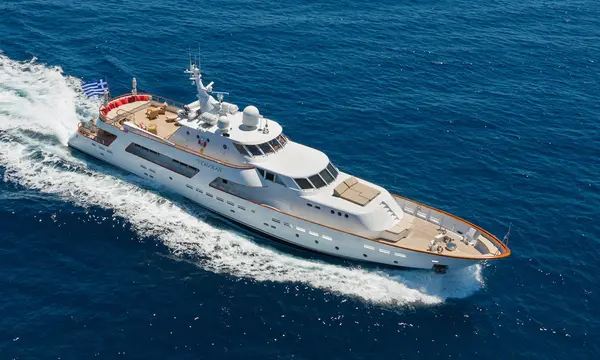
Northrop & Johnson has announced a €1.6 million asking-price reduction for PARVATI, taking the advertised figure to €2.35 million. The 26 October notice identifies …
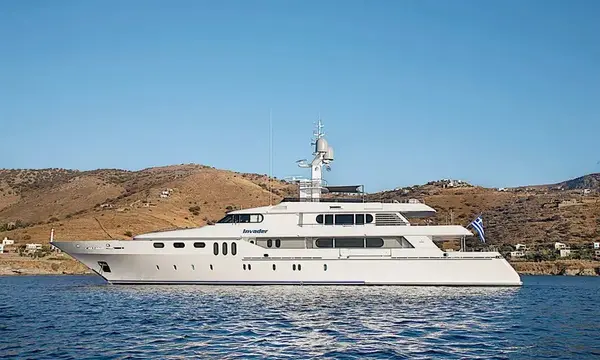
Burgess currently presents Codecasa's 50-metre INVADER for sale on a price-on-application basis, emphasizing her 2019 refit, guest elevator and extensive outdoor spaces.

Marina Bahía Golfito highlights prospective customs, port services, road access and research facilities in Costa Rica before FLIBS 2026.
Superyacht Guide
Continue into the wider Superyacht Guide.
Business opportunities · Superyacht Guide
Companies serving the superyacht market can discuss clearly identified advertising, sponsorship and business-profile opportunities. Commercial activity remains separate from independent editorial coverage.