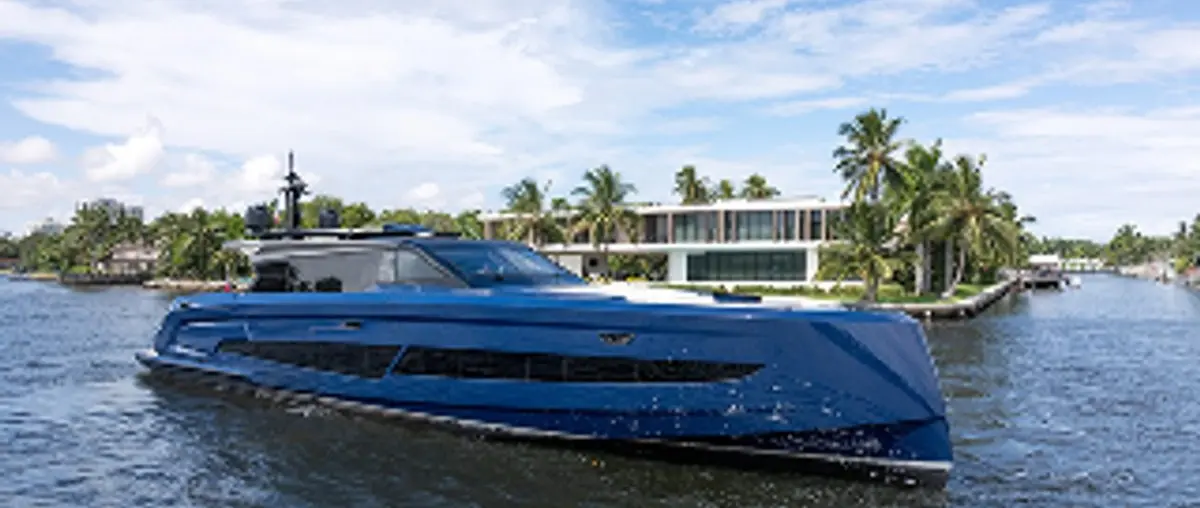
Vanquish VQ115 Targets 48-Knot Performance in a 34.5m Yacht
By Stephen Yardley · Edited by Stephen Yardley
Image: Vanquish Yachts
Vanquish's 34.5-metre VQ115 illustrates how a performance-first aluminium superyacht challenges familiar assumptions about cruising speed and luxury yacht deck plans.
Vanquish's VQ115 is among the more provocative designs for owners exploring the superyacht market around the 2026 Fort Lauderdale International Boat Show. The builder describes a 34.5-metre aluminium yacht with a projected maximum speed of 48 knots, an extraordinary ambition compared with the moderate cruising speeds of most displacement-led motor yachts. The central question is not simply whether the number looks impressive, but what a boat of this scale has to become to make that performance possible.
Crucially, the maker identifies the headline speed as an estimate based on lightweight-ship conditions. That is different from independently verified performance of a delivered yacht carrying normal cruising stores and guests. Superyacht buyers should treat the quoted figure as a design target to investigate, while recognising that a high-speed hull has different requirements for machinery, weight distribution, maintenance and comfort from a traditional passage-making yacht.
Vanquish publishes an overall length of 34.5 metres, a 6.74-metre beam and a draft of approximately 1.45 metres. The comparatively shallow stated draft may appeal to people imagining access to sandy bays and coastal cruising grounds, although actual operational limits depend on the completed boat, loading, sea conditions and charted depth. Dimensions are a starting point for suitability, not a substitute for a captain's assessment of particular waters.
The builder also lists a lightweight estimate around 110 tonnes and a fuel capacity of 10,500 litres. The weight reference deserves careful interpretation because lightweight vessel mass is not the same as full-load displacement, with fuel, people, equipment and stores aboard. For a design intended to achieve very high speed, those loading distinctions are central to both performance and voyage planning and should be explained clearly in any technical discussion.
The company's concept combines a three-level arrangement with social areas normally associated with much more sedate superyachts. A lounge with almost uninterrupted views is intended to become an elevated gathering point, encouraging guests to appreciate the surroundings even when not seated outdoors. The design also proposes a main-deck Jacuzzi and flexible leisure spaces, suggesting that the yacht is intended to remain a comfortable base at anchor rather than only an exhilarating ride.
These amenities must coexist with structural, safety and weight-management demands. Water in a spa, for example, represents a concentrated load, and panoramic glazing must meet the relevant structural design criteria. A prospective owner should therefore explore where the relaxation spaces are situated relative to machinery, tanks and important service areas. On a performance-focused vessel, the relationship between luxury equipment and naval architecture is especially direct.
Vanquish presents triple Rolls-Royce engines as part of the VQ115 design proposition. The exact configuration, transmission arrangement, consumption profile and certification details deserve confirmation with the builder for any specific specification. High-speed propulsion at superyacht scale is more complicated than placing bigger engines into a conventional hull, because cooling, vibration, structural loading, exhaust routing and access for major service work all grow in significance.
An owner who is attracted by the top-speed claim should request a full operational profile rather than a single maximum figure. Comfortable economical cruise, realistic range at different loads, noise in the guest areas and fuel use during ordinary day trips may prove more consequential to annual enjoyment. It is also worth discussing whether high-speed capability changes the preferred cruising territory, crew skill set and options for support away from established service centres.
The VQ115 interior is pitched as custom rather than a fixed decorative package. Manufacturer illustrations show a full-beam midship retreat, a generously appointed galley with natural light and a bathing space organised around large showers and accessible fittings. There is also a proposed cinema-style lower lounge, with space that can double as additional sleeping accommodation. These are design intentions to discuss with the yard, not evidence of an identical fit-out on every eventual hull.
Flexibility can be valuable, particularly for an owner wanting an active social yacht, but it needs firm priorities. A cinema, a formal dining area and extra guest berths all compete for the same finite envelope, and highly customised furniture can influence access to technical systems. A realistic specification should begin with the number of guests, where they spend time and the crew's service plan, then work backwards to materials and finishing details.
Fuel capacity of 10,500 litres is meaningful only when coupled with a verified consumption curve and the owner's intended speed profile. A vessel capable of moving very quickly may consume fuel at a radically different rate from one operated at an economical cruising pace. Owners should budget for regular engineering attention, qualified crew, suitable berthing and an appropriate maintenance network rather than viewing performance as a headline purchase feature alone.
Insurance, certification and classification questions also merit early discussion because a high-performance aluminium superyacht can present distinctive considerations. None of those practical checks diminish the appeal of the concept; they help determine whether the owner's preferred programme is compatible with it. A well-developed operational plan can preserve the joy of spontaneous fast coastal travel while reducing the risk that the technical demands become a surprise.
Where most superyachts in the thirty-metre bracket emphasise range, enclosed volume and quiet long-distance comfort, the VQ115 places high-speed mobility close to the centre of the experience. Vanquish's stated 48-knot ambition is therefore best understood as a different design philosophy, not a direct measure of superiority over slower expedition yachts. Each approach serves owners with different habits, destinations and tolerance for complexity.
The dimensional figures and design features above are drawn from Vanquish's official VQ115 model information. The published renderings show intended styling rather than documented sea trials of a completed yacht, and projected figures should remain labelled as such. For readers assessing this performance-led alternative, the most useful next step is to compare a complete technical proposal with the way they actually expect to use a superyacht.
Explore
Go deeper into the yachts, companies, events and destinations directly connected to this article.
Continue reading
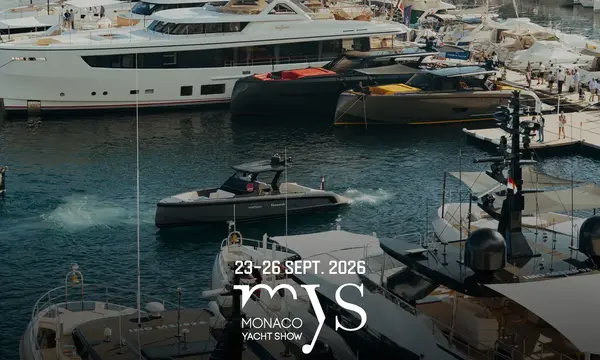
Vanquish Yachts presented two VQ58 chase boats at Monaco, demonstrating how the aluminium platform can be configured around superyacht support, diving and independent use.
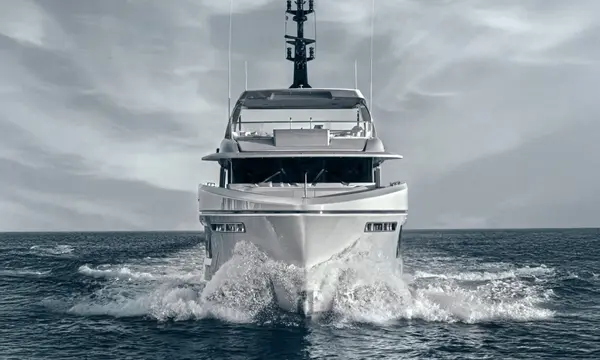
STELLAMAR's 35-metre RJ 115 design shows how expedition-grade engineering and Italian interior architecture can share one coherent owner-focused superyacht.
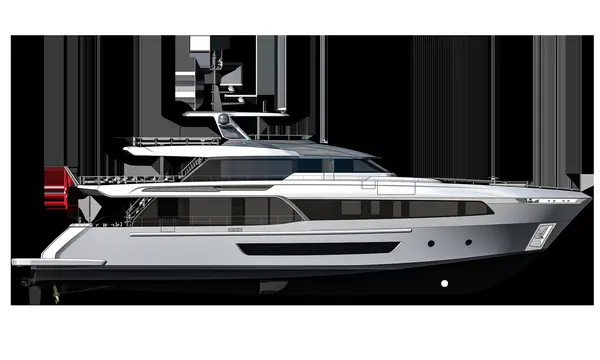
Ocean Alexander's 34.6-metre 35P Puro offers an opportunity to examine global-market yacht design where large-volume entertaining and operational usability meet.
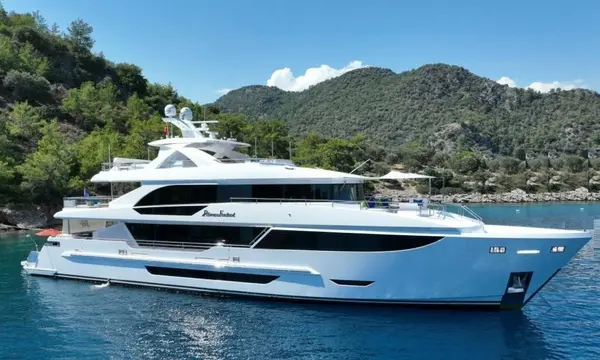
ROMEO FOXTROT II brings a different balance of high-volume accommodation and cruising independence to Hargrave's 2026 Fort Lauderdale presentation.
Superyacht Guide
Continue into the wider Superyacht Guide.
Business opportunities · Superyacht Guide
Companies serving the superyacht market can discuss clearly identified advertising, sponsorship and business-profile opportunities. Commercial activity remains separate from independent editorial coverage.