Wave International Puts Routine Yacht Pollution Under Scrutiny
By Stephen Yardley · Edited by Stephen Yardley
Sept. 26, 2026
Operations
Wave International has highlighted bilge water, wash-down and maintenance contaminants in a Southampton Boat Show discussion of everyday boating pollution.
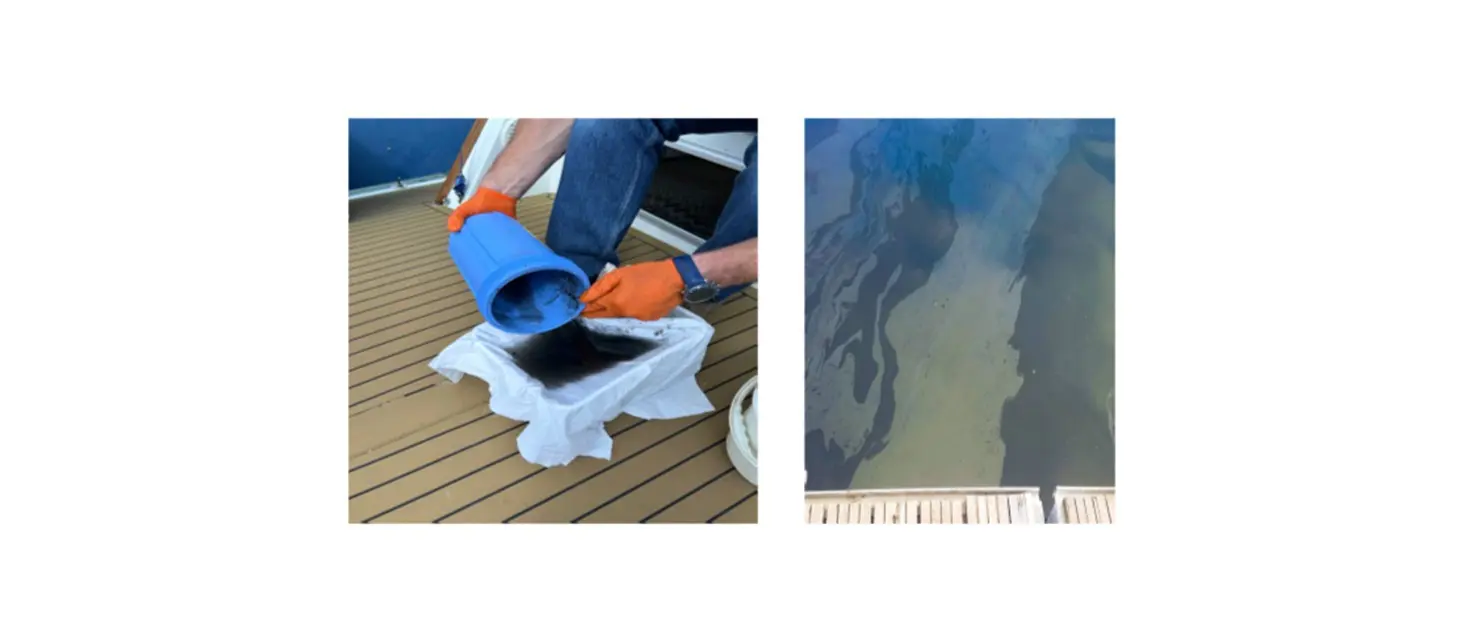
Routine yacht operations can release pollutants that never appear in a propulsion-emissions discussion. Wave International used the Southampton International Boat Show programme to draw attention to contaminated bilges, wash-down water, oil, diesel, paint particles and microfibres that may enter the marine environment during normal vessel use.
The issue was scheduled for an expert panel on 18 September 2026, with the official announcement dated 15 September. The discussion is relevant to larger yachts because cleaning, engineering and maintenance activities multiply across a complex vessel and its tenders.
Wave International managing director Paul Gullett joined a panel chaired by Peter Wallbank of August Race, with insurance specialists Mike Wimbridge of Pantaenius UK and Alan Wilkins of Mercari Risk Management. The session was designed to consider everyday pollution, available controls and the potential implications for operators and insurers.
The source describes the panel's planned topics rather than publishing final technical test data or a new statutory rule. Specific legal obligations depend on location, vessel type, operations and the applicable regulations, so crews should consult current authoritative guidance.
Bilges can accumulate traces of fuel and lubricants, while cleaning and hull work can carry detergents, paint residues and other material into runoff. Waste handling, filtration and maintenance procedures therefore deserve attention alongside fuel consumption and shore-power decisions.
The company argues that individually small releases matter when considered across many vessels and marinas. That is a practical environmental concern, but the release does not quantify a global discharge total or prove that every identified contaminant leaves every boat.
A yacht's procedures should distinguish ordinary clean water from potentially contaminated bilge or wash-down waste, with collection and disposal arranged through appropriate facilities. Crew training and clear contractor responsibilities can help ensure that refit and routine servicing do not undermine onboard environmental practices.
The Southampton programme is a useful prompt for operators to review what leaves the hull during normal use. Superyacht Guide treats it as an industry discussion and practical-operating topic, not a replacement for jurisdiction-specific compliance advice.
Explore
Go deeper into the yachts, companies, events and destinations directly connected to this article.
Continue reading
Solent-based PSA Prime Marine has expanded from yacht maintenance and delivery support into owner and guest concierge services across the UK and Europe.
British Marine's online Training Academy has launched with an introductory course for people entering the wider marine industry and its supply chain.
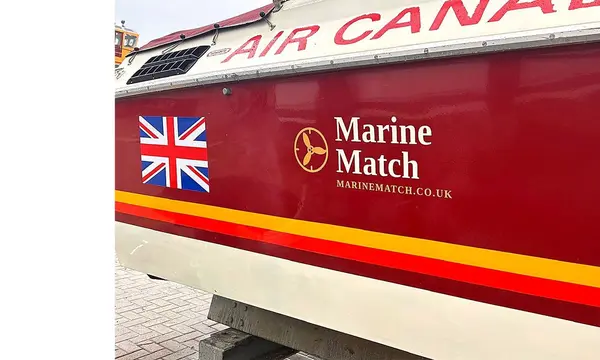
Marine Match has launched a UK marketplace connecting owners with verified marine trades across engineering, coatings, rigging, surveys and transport.
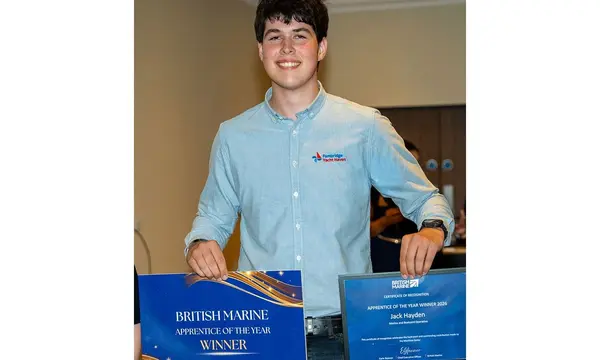
Jack Hayden received British Marine's 2026 Apprentice of the Year award as more than 70 apprentices from major UK marine businesses were recognised.
Superyacht Guide
Continue into the wider Superyacht Guide.