
Why Buying a New Superyacht Now Can Mean Waiting Until 2029
Delivery schedules at leading shipyards are stretching toward 2028 and 2029, forcing buyers to put a new value on build slots, fast-track platforms and …
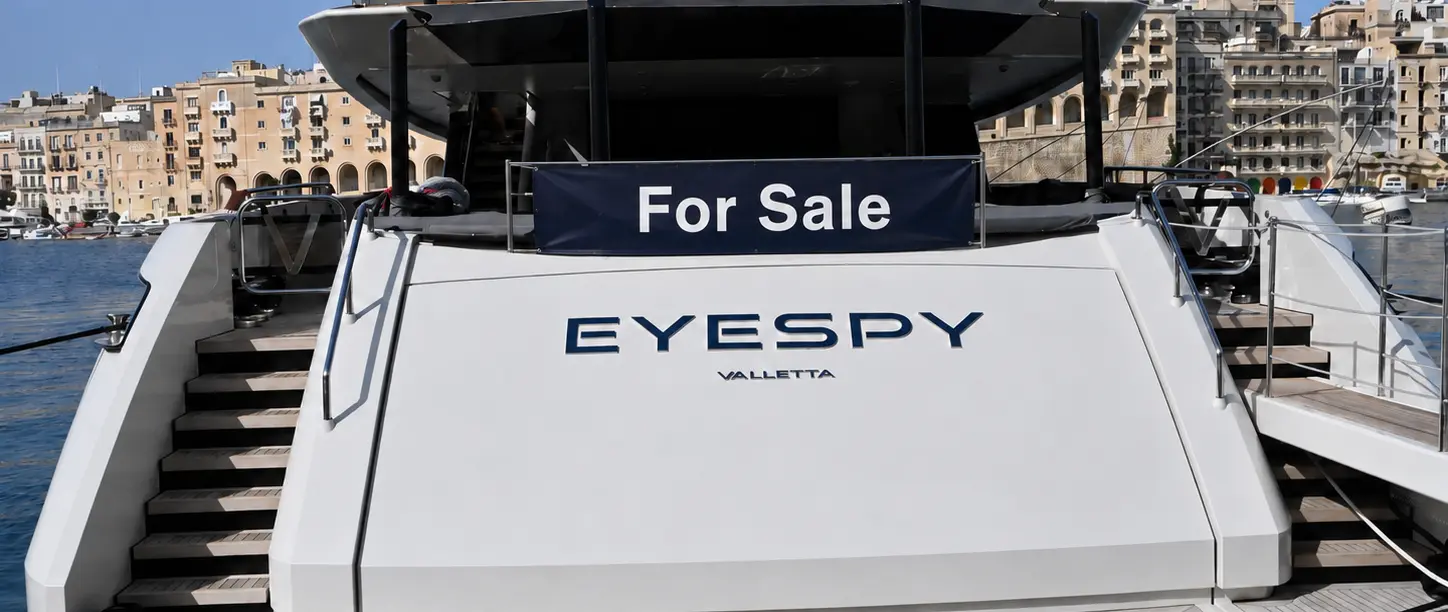
Selling a superyacht is rarely a simple market call. The strongest decision usually comes when the owner’s future plans, the yacht’s condition, upcoming expenditure and buyer demand align before value begins to erode.
Owners often ask brokers whether the market is good enough to sell, but the market is only one part of the decision. A yacht may be entering a favourable sales period while the owner still expects to use it heavily, or it may be personally ready for disposal when similar yachts are competing for a limited pool of buyers. The question is therefore not simply whether prices are rising or falling. It is whether this particular yacht should be sold at this particular point in its ownership cycle.
A superyacht is not a liquid investment that can be sold immediately at a published market price. Each vessel has its own specification, condition, ownership history, maintenance record, class position, flag, location and appeal to buyers. Even yachts of similar length and age may perform very differently because one has been continuously upgraded and documented while another is approaching a major technical and cosmetic reset.
Timing a sale consequently requires the owner to look in two directions at once. The first is outward, towards supply, buyer confidence, competing yachts, asking-price reductions and recent transactions. The second is inward, towards future use, changing family requirements, the next yacht, refit liabilities and the owner’s willingness to continue carrying the annual cost while waiting for the right buyer.
Many owners wait until they have lost interest in the yacht before considering a sale. By that stage, use may already have declined, maintenance decisions may have been postponed and the crew may sense that the owner’s commitment is weakening. The yacht can remain perfectly operational, but it may no longer be receiving the same level of investment or attention that made it attractive during the earlier years of ownership.
A stronger decision is often made before enthusiasm disappears completely. An owner who still uses and maintains the yacht is more likely to bring a well-presented vessel to market, retain a stable crew and answer buyer questions with confidence. The sale then appears to be a planned transition rather than an attempt to escape a deteriorating asset.
Changes in use are among the clearest signals. Children may have grown older, family holidays may have become more difficult to coordinate, business commitments may reduce the owner’s available time or the preferred cruising area may no longer suit the yacht. An owner who repeatedly cancels trips or uses the yacht for only a few weeks each year should examine whether the operating cost and management burden still correspond with the value received.
That calculation should not be reduced to cost per day because yacht ownership is not purchased as an efficient accommodation product. Availability, privacy, familiarity and the ability to travel on the owner’s terms are central parts of its value. Nevertheless, a persistent decline in use may indicate that the yacht no longer fits the owner’s life, even if the market appears temporarily unhelpful.
The decision may also be driven by the next yacht. Owners frequently sell because they want greater volume, longer range, a different cruising capability or a vessel requiring fewer compromises. In that situation, the timing of the disposal should be coordinated with the acquisition or construction programme so that the owner does not carry two large operating commitments for longer than intended.
Every yacht moves through cycles of maintenance, survey, class work, paint, machinery overhaul and interior renewal. Those cycles create natural decision points because an owner must either invest in the next phase or sell with the work still ahead.
Selling immediately before a major survey or refit may appear financially attractive because the owner avoids the expenditure. Buyers, however, will identify the same liability and normally reflect it in their offers. A yacht requiring paint, class work, machinery service and interior renewal may attract interest only at a price that leaves the buyer sufficient room to complete the programme and absorb the risk of unforeseen defects.
The alternative is to carry out the work before marketing. This can improve presentation, reduce buyer uncertainty and make the yacht easier to compare with newer or better-maintained competitors. It does not automatically mean that every euro spent will be recovered in the sale price, because maintenance often preserves value rather than creating an equal increase in value.
The quality and scope of the work are therefore important. A disciplined technical refit supported by reports, invoices, photographs and updated drawings can strengthen a yacht’s position. An owner-driven interior project based on highly personal taste may cost substantially more than it contributes to resale appeal.
There is also a middle course. The owner may complete essential class, safety and machinery work while leaving discretionary cosmetic changes to the next owner. This can remove the largest sources of technical uncertainty without pretending that the yacht has been fully transformed.
The correct choice depends upon the yacht’s segment and buyer profile. A well-known pedigree yacht may justify a substantial refit because buyers value the platform and understand the cost of restoring it. A more ordinary yacht in a crowded market may not support the same level of expenditure if several newer alternatives are already available.
Owners should therefore ask what the work changes in the buyer’s mind. Expenditure is most valuable when it removes a clear objection, improves reliability, demonstrates responsible ownership or makes the yacht immediately usable. It is less valuable when it merely makes the owner feel that the yacht should command a higher price.
The superyacht market is often described as though it were one market, but demand can differ considerably by length, age, builder, construction material, configuration and price. Strong activity among very large, recent yachts does not necessarily help an older 40-metre vessel competing against numerous similar listings.
The 2025 Monaco Yacht Show Market Report noted that price reductions had become more significant. For used yachts over 30 metres, the average reduction increased from €676,000, or 5.6 per cent of asking price, in 2023 to €799,000, or 7.9 per cent, in 2024. The report said that the trend remained visible in 2025, particularly in the middle of the market.
That does not mean every owner should immediately reduce the price or delay selling. It means buyers have become more selective and are increasingly willing to wait when the asking price does not reflect condition, age or competition. An owner entering the market at an unrealistic figure may lose the strongest early period of interest and later require a larger reduction than would have been necessary with accurate initial pricing.
Market strength can also be concentrated at the top. Edmiston’s review of the 2025 brokerage market reported that yachts asking more than €40 million represented only 7 per cent of sales by volume but accounted for 52 per cent of market value. This illustrates how headline transaction values can create an impression of broad strength even when activity is uneven across the fleet.
New-build conditions influence resale timing as well. Fraser’s 2026 report described resilient demand and high shipyard capacity, with long lead times at leading yards. For some buyers, a recent brokerage yacht becomes more attractive when a comparable new build would require several years of waiting. For others, increasing speculative production and new model availability may create more competition for older vessels.
The owner should therefore avoid relying on general statements that the market is rising or falling. The more useful question is how many directly comparable yachts are available, how long they have been listed, whether they have reduced their prices and which examples have actually sold.
A new listing receives attention because brokers and qualified buyers have not seen it before. That initial period can produce the strongest enquiries, particularly when the yacht is priced credibly, photographed well and supported by complete specifications and records.
An inflated asking price can waste that advantage. Buyers may inspect the listing, conclude that the seller is unrealistic and move on to alternatives. When the price is eventually reduced, the yacht is no longer new to the market and may already have acquired a reputation for being overpriced or difficult to sell.
This is why asking price should not be based solely on the owner’s purchase price, the money spent during ownership or the amount needed for the next yacht. Those figures are relevant to the owner’s financial position, but they do not determine what a buyer will pay.
A proper market appraisal should examine recent sales, current competition, builder reputation, age, condition, refit history and the yacht’s unusual strengths or limitations. It should also distinguish between public asking prices and actual transaction evidence because a visible listing price does not prove that buyers accepted that valuation.
Owners sometimes resist this discipline because they are not in a hurry. A high initial price may appear harmless when there is no urgent need to sell, but a yacht continues to generate crew, maintenance, insurance, management and berthing costs throughout the marketing period. The cost of waiting can exceed the difference between an achievable price and an aspirational one.
Fraser’s guidance on market timing notes that productive buying periods often occur around the main show season, when long-listed owners may be motivated before committing to show preparation and fresh listings appear after the events. The same calendar can matter to sellers because autumn shows concentrate brokers and buyers, but only when the yacht is properly prepared and positioned.
A yacht is easier to sell when qualified buyers can inspect it without excessive difficulty. Location affects travel, survey arrangements, haul-out options, crew availability and the ease with which the vessel can be compared with competing yachts.
For Mediterranean-based yachts, the period before and during the major autumn shows can provide concentrated exposure. A yacht that is clean, operational and located within reach of Monaco, Cannes, Genoa, Barcelona or other established centres may be easier for brokers and buyers to inspect than one repositioned to a remote winter destination.
The Caribbean and United States can offer similar advantages for the winter market, particularly for yachts likely to appeal to North American buyers. The correct location depends upon the yacht’s likely audience rather than the owner’s final preferred cruise.
Moving solely for marketing purposes must still be justified. Fuel, crew time, customs, tax, insurance and berth costs may be considerable, and a yacht should not cross an ocean merely because a broker believes that a different region might produce more visibility. The expected buyer pool and inspection plan should be sufficiently clear to support the repositioning.
Seasonal use also affects presentation. A yacht emerging from a successful summer with stable crew and functioning systems may show better than one that has remained inactive for months. Conversely, the period immediately after a demanding charter season may reveal wear that should be corrected before photography and viewings begin.
The owner should allow sufficient preparation time. Sales photography, inventory checks, data-room organisation, crew briefing, title review and technical inspection should not begin only after the yacht is publicly announced. The market should see the yacht when it is ready, not while the owner is still discovering what needs to be corrected.
An owner may choose the correct market window and still lose momentum if the yacht’s records are incomplete. Buyers and their advisers will want to understand title, registration, mortgages, class, maintenance, refits, warranties, tax status, inventory and technical condition.
A yacht with well-organised records can move from initial interest to serious due diligence more efficiently. A yacht whose documents are scattered between captains, managers, shipyards and personal email accounts may create uncertainty just when the buyer is deciding whether to proceed.
This is especially important where the owner intends to sell before major expenditure. The buyer needs enough information to estimate the work ahead, and gaps are often priced as risk. A missing service history may lead the buyer to assume that an overhaul is required, even if the work was actually completed but poorly documented.
The owner should therefore prepare a controlled sale data room before the listing becomes active. Sensitive documents can be released in stages, but the seller and broker should already know what exists, what is missing and which questions require legal or technical explanation.
Good documentation does not make an old yacht new, but it makes the ownership history understandable. In a selective market, that clarity can distinguish a credible yacht from one that appears to carry hidden liabilities.
The crew are not merely part of the operating cost during a sale. They influence presentation, access, technical knowledge and the buyer’s understanding of the yacht.
A stable captain and senior team can explain machinery history, refit decisions, operating routines and known defects. They can maintain the yacht at viewing standard and support surveyors without creating unnecessary tension. Where appropriate and subject to employment arrangements, continuity may also reassure a buyer who wants to operate the yacht immediately after completion.
Crew instability can have the opposite effect. Departures may interrupt maintenance, records may become difficult to locate and temporary crew may lack the knowledge needed to answer detailed questions. A visibly disengaged team can also suggest that the owner has already reduced investment in the yacht.
This does not mean an owner must retain every crew member regardless of performance or cost. It means that the sales plan should account for employment, notice periods, retention, confidentiality and the transfer of knowledge.
The captain should understand the broker’s viewing procedures, who may receive information and how guest or owner privacy will be protected. Crew should not be asked to speculate about the owner’s financial position or reasons for selling, but they should be able to present accurate operational facts.
A yacht brought to market with stable management, complete records and an engaged crew sends a different message from one that appears to be winding down.
Owners naturally want to sell at the highest possible price, but waiting carries a measurable cost. The yacht continues to depreciate, age and require maintenance while competing vessels may enter the market.
The annual expenditure can become particularly important when the owner is no longer using the yacht. Each additional year may involve crew, insurance, berthing, class, servicing and technical work without producing corresponding personal value. A future improvement in the market must be large enough to recover those costs before waiting becomes financially rational.
There is also no guarantee that the market will improve in the exact segment occupied by the yacht. New models may enter brokerage, regulations may make older machinery less attractive and buyers may shift towards different layouts or propulsion systems.
The owner should therefore compare three outcomes: selling now at a realistic price, waiting while maintaining the yacht properly, or waiting while reducing expenditure. The third option often appears cheapest but can be the most damaging because deferred maintenance and crew instability may reduce saleability faster than the market improves.
A broker’s advice should include expected time on market, probable negotiation range and carrying cost, not merely an optimistic asking price. The owner can then judge the net result rather than focusing only on the headline sale figure.
No market report can identify one perfect month in which every owner should sell. The decision is strongest when several conditions align: the owner’s use is declining or changing, a major expenditure decision is approaching, the yacht can be presented credibly, comparable supply is manageable and the asking price can be supported by evidence.
An owner planning a larger yacht may accept a slightly less favourable market in order to avoid carrying two vessels. Another may complete a refit and wait for the following season because the yacht will then compete more effectively. A third may sell earlier than expected because a stable crew, complete records and limited competition create an opportunity that may not last.
The important point is that selling should be managed as part of ownership, not treated as an admission that ownership has failed. Every yacht eventually changes hands, and the manner in which the owner prepares for that transition affects value, timing and the experience of everyone involved.
The best sale is not necessarily the one completed at the absolute peak of a market cycle, which can only be identified after it has passed. It is the sale that takes place before enthusiasm, condition and documentation decline, at a price that reflects the yacht honestly and allows the owner to move to the next stage without years of unnecessary carrying cost.
Continue reading
Delivery schedules at leading shipyards are stretching toward 2028 and 2029, forcing buyers to put a new value on build slots, fast-track platforms and …
Buyers are concentrating on 40–60m superyachts that deliver serious range, luxury and charter potential without automatically taking on the complexity of much larger vessels.

A new generation of technology wealth is reaching the yacht market, with younger buyers placing greater emphasis on privacy, connectivity, wellness, performance and immediate …

Buying the yacht is only the beginning. The first 100 days turn a multimillion-euro acquisition into a functioning yacht operation, covering handover, crew, management, …
Superyacht Guide
Continue into the wider Superyacht Guide.