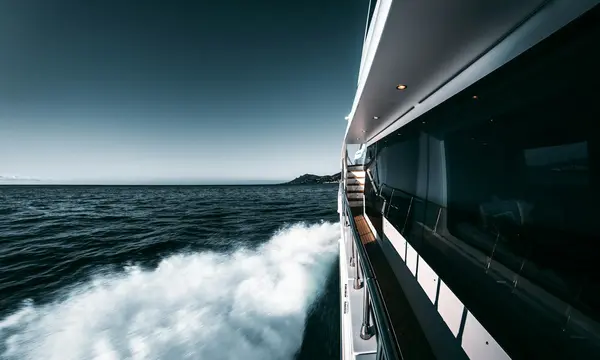
Azimut|Benetti CEO Says Demand Above 30m Remains Resilient
Marco Valle, chief executive of the Azimut|Benetti Group, has described a yacht market divided by vessel size, with weaker activity at the small-boat end …
Yacht International managing director Mark Seaton has set out how the brokerage developed from distributing Chinese-built explorer yachts into a specialist firm serving the international superyacht market. In an interview published by Marine Industry News on 9 November 2026, he linked the company's current identity to more than two decades of experience in construction, imports, brokerage and project management. The timing marks a company-profile interview, not the announcement of a newly completed yacht sale or an acquisition. The story is of interest to owners because Seaton identifies practical decisions that helped shape how his firm approaches complex international transactions.
Yacht International managing director Mark Seaton has set out how the brokerage developed from distributing Chinese-built explorer yachts into a specialist firm serving the international superyacht market. In an interview published by Marine Industry News on 9 November 2026, he linked the company's current identity to more than two decades of experience in construction, imports, brokerage and project management. The timing marks a company-profile interview, not the announcement of a newly completed yacht sale or an acquisition. The story is of interest to owners because Seaton identifies practical decisions that helped shape how his firm approaches complex international transactions.
The business dates its origins to 2005 and previously operated under the Yacht & Villa name. Its present Yacht International identity reflects a focus on yachting rather than the combination of activities implied by the earlier brand. The company's website also describes a brokerage approach centred on a limited number of clients, individual marketing strategies and personal representation during negotiations. Those are the company's own statements about its services, not independently measured outcomes. Read alongside the interview, however, they illustrate how a brokerage can change its business model as the vessels, clients and legal responsibilities involved become more demanding.
Seaton recalled an early business trading as Selene Europe, importing full-displacement trawler and explorer yachts from Jet Tern Marine yards in southern China. The operation developed specifications appropriate for European buyers and handled ordering, project management, transport and deliveries. He said more than 60 boats were sold in the first decade. That figure is the interviewee's account, not a newly audited sales register, and refers to the earlier vessel business rather than 60 superyacht transactions. The distinction is important when comparing a historical production-yacht programme with the firm's present concentration on large crewed vessels.
Working directly with a builder overseas created demands beyond introducing a customer to a boat. Importers needed to address technical specifications, certification for relevant markets, shipping arrangements, post-delivery support and communication between clients and the shipyard. Even a technically sound yacht could create commercial difficulty if component sourcing, foreign exchange or delivery arrangements were poorly understood. Those lessons are relevant to larger custom projects today because complexity increases when interior contractors, naval architects, class surveyors and owner representatives are working in different jurisdictions. Seaton presents the early China business as an apprenticeship in managing these responsibilities.
The 2008 financial crisis coincided with yachts already in construction and other vessels held as stock or demonstrations. In the interview, Seaton said the company worked through that period while protecting customer interests and delivering the boats it had committed to. The account is significant because international newbuild projects often require staged payments while the asset is still taking shape. The financial status of a shipyard, the allocation of materials, the form of a contract and the protection of a buyer's instalments can all become pressing questions if market conditions deteriorate unexpectedly.
A successful delivery during a previous crisis does not mean future contracts have no risk. Buyers still need specialist legal advice and clear provisions covering change orders, milestones, insurance, title transfer, accepted specifications and remedies for delay. Equally, brokers cannot assume a shipyard's business position from a historic reputation alone. Seaton's observations are best understood as an account of why commercial and legal scrutiny became central to his firm's way of operating. They are not a substitute for independent due diligence on any particular construction project or seller in the current market.
Seaton said the company left series-production newbuild activity in China around 2011 as labour, freight, exchange-rate and delivery risks changed the economics of the business. It gradually concentrated on larger vessels, eventually focusing on crewed yachts above 30 metres. That shift did not mean every smaller explorer yacht became a superyacht, nor that Chinese builders ceased producing worthwhile yachts. It was a choice by one commercial organisation about where its accumulated experience, client relationships and service model could be most effectively applied.
The boundary between a small owner-operated cruiser and a crewed yacht can make a real difference to brokerage. Larger acquisitions are more likely to involve a captain, survey team, management company, maritime lawyers, tax advisers and sometimes a family office. Although this adds participants, Seaton argued that experienced representatives can make the decision-making and completion process more orderly. That is a qualitative observation drawn from his work rather than evidence that every large transaction is faster than every small one. It does point to the value of coordinating the people who act for an owner.
Yacht International describes itself as a private brokerage that accepts a limited number of central-agency yachts and builds marketing around the individual vessel. It also says it collaborates with a wider network of brokers and specialist advisers. A custom explorer with substantial range, a fast open yacht and a long-range displacement motor yacht need different presentations and may appeal to different buyers. A universal sales description may overlook the features that actually determine value for a particular owner, especially when maintenance history, condition or specialist equipment are central to the yacht's intended use.
The company's published process covers valuation and marketing, negotiations, surveys, sea trials and closing support. Owners comparing broker proposals should ask how these services are provided in practice: who will manage enquiries, how viewings are qualified, which survey findings will be addressed, what information will be reported and which contracts define the parties' obligations. The firm's assertion that personal attention improves outcomes should be assessed against actual proposed terms, experience and service levels. This interview does not disclose confidential commission arrangements, sale prices or independently verified completion statistics, so none should be inferred.
Seaton also described a generational change in the customer base, saying younger buyers increasingly discuss environmental considerations and want yachts that support fitness, wellness and a closer connection with the water. He connected those preferences to the choice of designers and the brief for a new construction project. Such statements should be treated as an experienced broker's observations, not demographic research proving what every younger wealthy buyer prioritises. The meaning of a sustainable yacht, in particular, depends on measurable decisions about propulsion, fuel, materials, operational profile and eventual maintenance.
Owners can translate lifestyle preferences into a useful design brief by being specific. If a client expects weeks at anchor, crew circulation, tender access, stores capacity, maintenance access and shore-power arrangements matter alongside generous guest decks. A request for improved efficiency should lead to discussions of hull performance, operating speed and energy systems rather than purely decorative claims. A new yacht design may respond to wellness needs through the arrangement of cabins, gyms or outside spaces, but these must still function safely at sea. The interview places those practical demands in the context of changing clientele.
Looking ahead, Seaton identified digital media, video and artificial intelligence among the technologies the business is considering. A brokerage can use such tools to explain a vessel more clearly, organise information or reach buyers internationally. None of those possibilities eliminates the duty to verify listings or protect sensitive owner and customer information. Video and detailed photography can help a buyer understand a yacht before travelling, yet the condition of machinery, structural arrangements, classification status and contractual title cannot be established by a polished presentation alone.
For an industry with international audiences, good digital material also has to be consistent. Length, build year, recent refits, guest capacity, range and price need to match the broker's latest verified records; outdated information can erode credibility. AI-assisted descriptions require human checking because a plausible feature is not the same as an installed piece of equipment. Seaton's remarks signal interest in modernising the sales process but make no claim that Yacht International has deployed a particular AI product, replaced surveyors with automation or fundamentally changed the legal basis of its contracts.
The current company story adds context to a business operating among superyacht buyers and sellers across borders. Yacht International has recently been associated with reported yacht sales, but the 9 November interview is principally about its operating history and commercial philosophy. Its strongest documented facts are the company's establishment in 2005, Seaton's account of its early Selene-related operations, the eventual exit from Chinese production distribution and its subsequent focus on larger yacht transactions. The company's own website corroborates the contemporary brokerage focus and the range of services it offers clients.
For readers, the broader lesson is that yacht brokerage encompasses much more than advertising an asking price. A substantial purchase or construction programme brings documentation, technical investigation, negotiation, finance, logistics and after-sales responsibilities together. The interview shows how one firm says it learned to address those requirements over 21 years, without proving that its approach is unique or superior to other brokerages. That is a useful distinction in reporting a business profile: the industry's changing practices deserve examination, while individual claims of experience and service should be clearly attributed to the company making them.
Reporting source: original announcement; corroborating source: additional first-party or industry material. Report dated 9 November 2026. Announcements and operating plans may change; editorial interpretations are distinguished from confirmed facts.
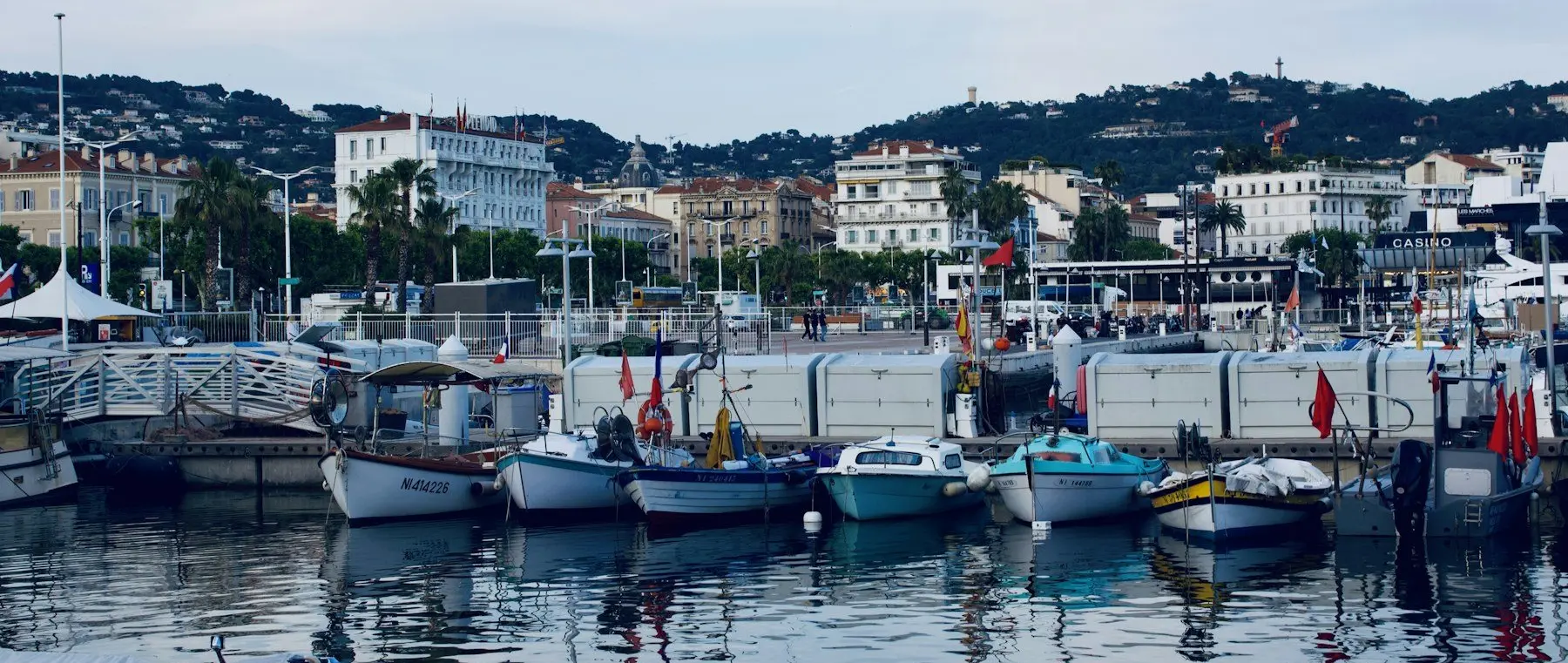
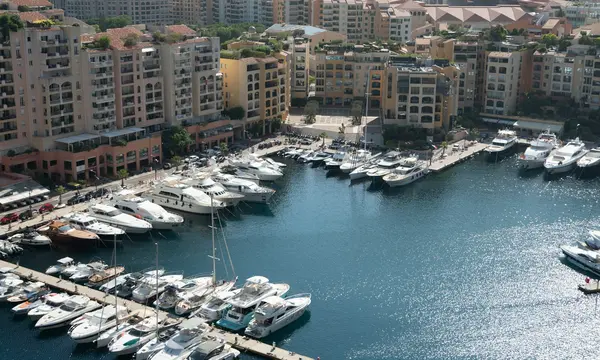
Editorial photograph: photographer and original image — Jared Schwitzke / Unsplash License; Cannes marina photograph June 2020, illustrative French Riviera location not Yacht International offices. Cropped and resized under the Unsplash License. Illustrative photograph only; it does not show the 2026 event or named product.
Continue reading
Marco Valle, chief executive of the Azimut|Benetti Group, has described a yacht market divided by vessel size, with weaker activity at the small-boat end …
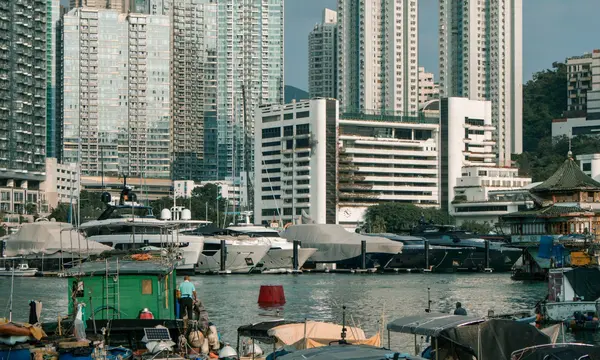
Airport Authority Hong Kong and the Yacht Club de Monaco have signed a memorandum of understanding concerning the planned SKYTOPIA Yacht Bay, a major …
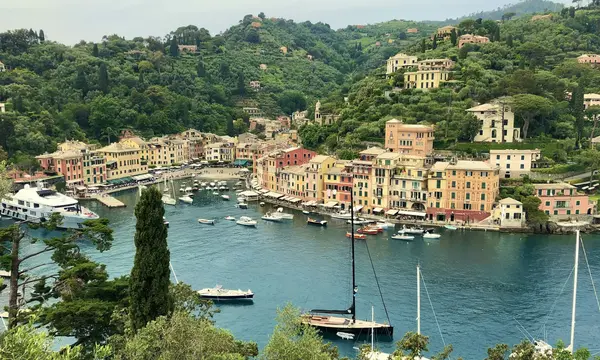
D-Marin has announced an agreement to acquire Marina Genova, bringing the premium-marina group's stated portfolio to 30 locations in nine countries, subject to the …
Ocibar Group has set out how its network of Mediterranean marina interests is intended to serve owners and crews with different cruising requirements, in …
Superyacht Guide
Continue into the wider Superyacht Guide.
Business opportunities · Superyacht Guide
Companies serving the superyacht market can discuss clearly identified advertising, sponsorship and business-profile opportunities. Commercial activity remains separate from independent editorial coverage.