AkzoNobel Introduces Surface-Renewing Biocide-Free Micron ReGen Fouling Control Coating
By Superyacht Guide Newsroom · Edited by Superyacht Guide Newsroom
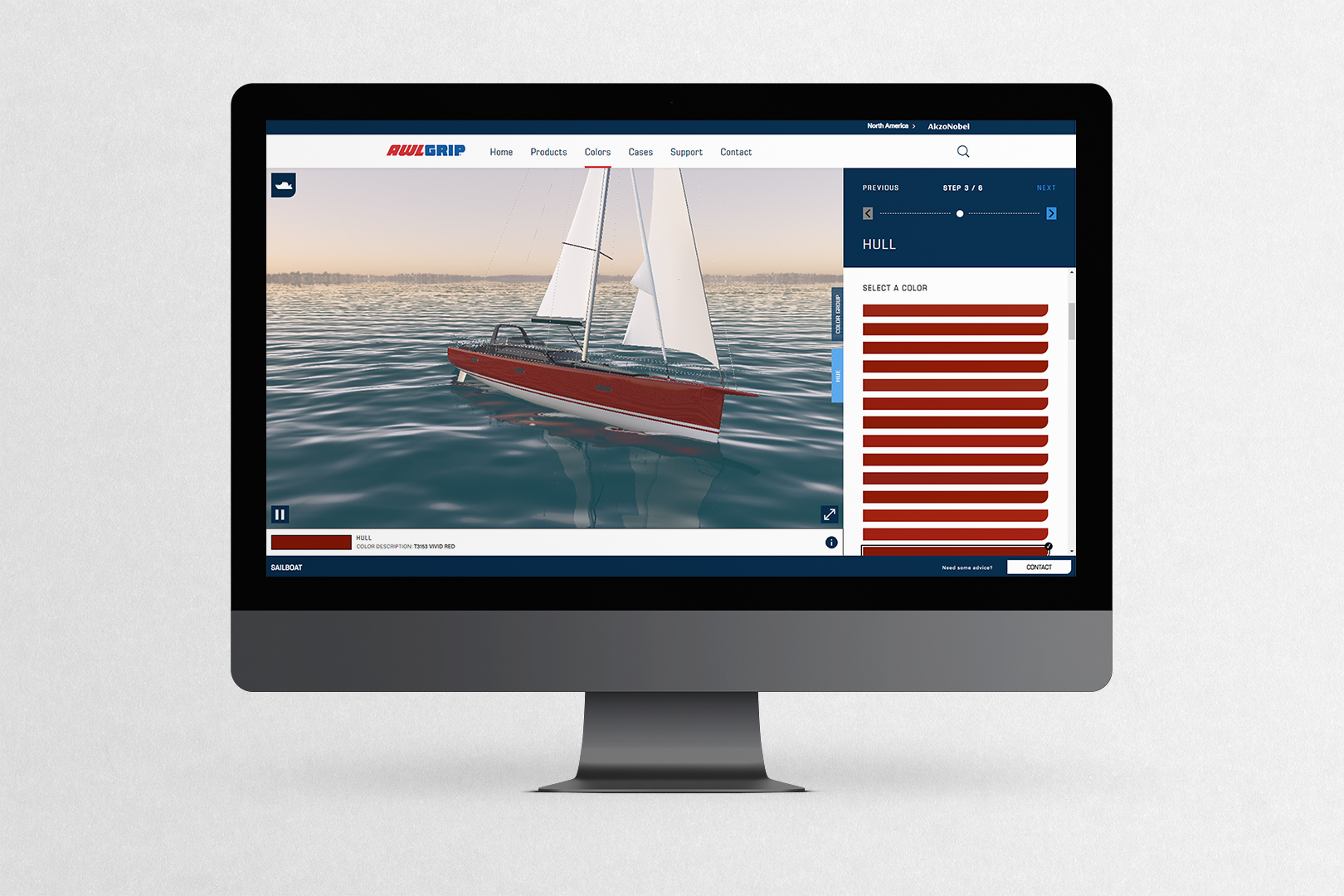
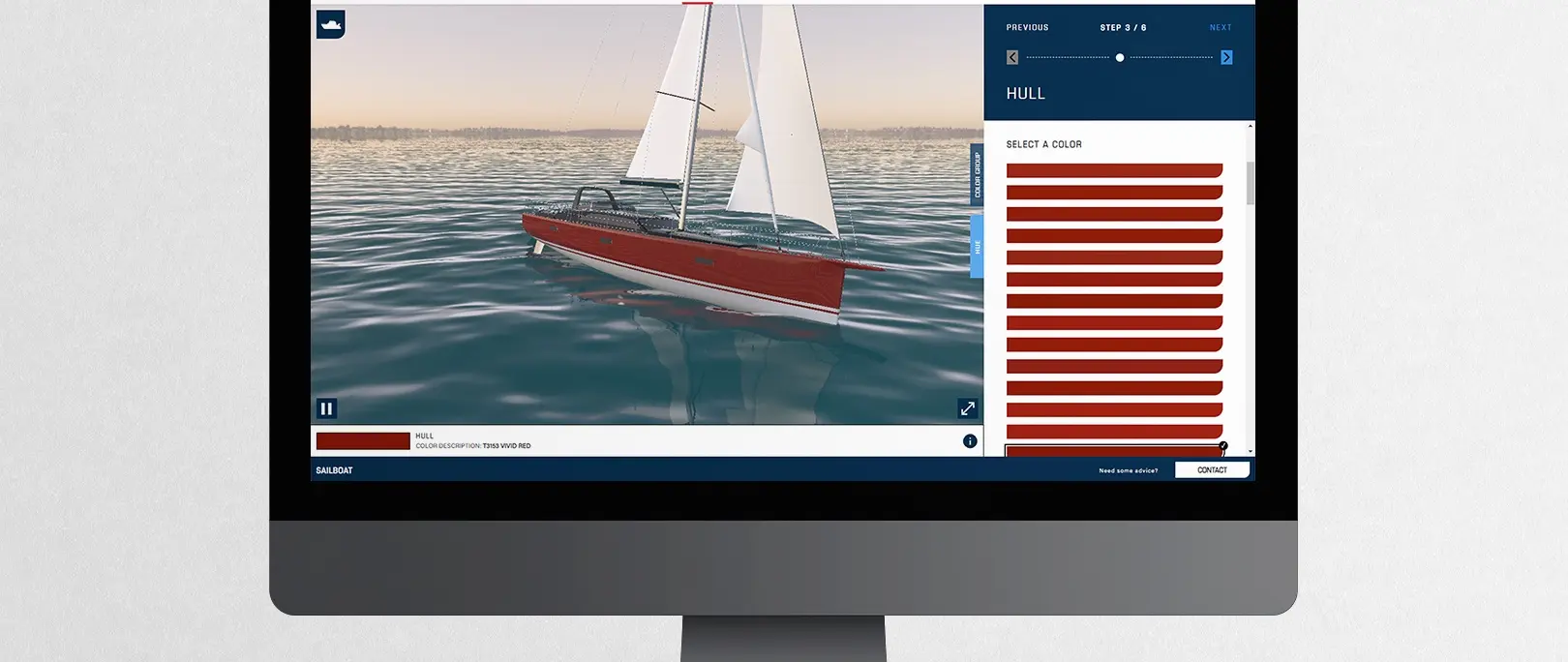
AkzoNobel International Micron ReGen official METSTRADE media image November 2026
International's new biocide-free fouling control coating uses surface renewal technology, with initial launch in eleven European markets and reported trial data.
AkzoNobel announced International Micron ReGen on 17 November 2026 at METSTRADE, introducing a biocide-free fouling control coating that it describes as using a surface renewal mechanism. The company says the product continually refreshes its outer surface when immersed, with the intention of making attachment difficult for marine organisms. Its initial commercial introduction covers eleven European countries. The announcement is significant to yacht maintenance teams because developments in underwater coatings involve a combination of technical performance, preparation requirements and increasingly varied environmental constraints. For the superyacht sector, the question is whether technology developed for the broader yacht market can be incorporated into particular vessel maintenance programmes within the relevant manufacturer's specifications. The announcement does not identify a minimum or maximum yacht length or establish the coating's suitability for every hull material, existing coating system or large-yacht operating profile. A project-specific technical assessment is therefore necessary.
Marine fouling encompasses organisms that can attach to submerged surfaces under suitable environmental conditions. The extent and composition of growth vary with water temperature, location, vessel movements and other factors. Traditional antifouling coatings may use active biocidal substances to discourage organisms from establishing themselves. Micron ReGen uses a different stated approach. AkzoNobel describes a microporous outer surface with both water-attracting and water-repelling characteristics. According to its announcement, interaction with ions in the water continually exposes a renewed outer layer that makes adhesion more difficult. The company distinguishes the technology from conventional controlled depletion and self-polishing products. These are the manufacturer's descriptions of the mechanism; the release does not supply a detailed chemical composition or independent comparative testing against every other category of coating. The approach is nevertheless relevant to an industry in which coating selection must take account of both the intended performance and the restrictions applicable to particular geographical markets.
AkzoNobel reports fuel savings of 4.7 percent and an increase in speed of 1.7 percent at equivalent engine power in real-world trials. The footnote to its announcement identifies testing aboard an in-service vessel over three seasons and states that actual performance will vary with the vessel and its use. The figures should therefore be treated as supplier-reported trial outcomes, not as guaranteed savings for a superyacht or a prediction of the performance of an individual charter vessel. The company has not published the detailed vessel particulars, a complete test protocol or the range of comparative conditions in its press release. Changes in underwater surface condition can influence resistance, but fuel consumption and attained speed are also affected by displacement, weather, machinery and propulsion condition. A technical manager assessing the possible benefit of a different coating should examine the available testing information and determine whether the measured circumstances are relevant to the intended vessel. Establishing a reliable performance baseline is particularly important before attributing a subsequent change to the coating itself.
The condition of a yacht's underwater surfaces is relevant throughout its operating season, rather than just at the time it leaves a refit yard. A vessel that spends substantial time stationary may experience different fouling conditions from one that frequently makes long passages. Localised growth may also develop differently around areas with unusual geometry or flow characteristics. An assessment based exclusively on the appearance of an accessible portion of the hull may not reveal the condition of less accessible surfaces. Machinery performance records and documentation of the yacht's sailing or operating profile can help inform a technical investigation, although they cannot replace physical inspection where this is appropriate. For a large yacht, the potential financial effects of changes in resistance depend on the amount of fuel consumed during the operating programme. The value of a coating that maintains its surface condition should therefore be considered over the relevant period of use, alongside the cost of preparation, application and any required maintenance.
One of the points emphasised in the November announcement is the company's assertion that the product can be applied directly over existing aged biocidal antifouling in good condition without an additional primer or tie coat. The company expressly excludes PTFE antifouling from this compatibility statement. It also identifies brushing, rolling and professional spray application as available methods. These statements should not be interpreted as permission to apply the coating over any unidentified material or a surface in poor condition. The actual coating history, substrate and preparation requirements must be established before work begins. A yacht may have undergone repairs at different locations over the course of its service, making the condition and composition of the existing coating variable across the hull. The applicator should obtain the current technical data and compatibility guidance for the product, including the conditions under which application and subsequent immersion are permitted. The claimed simplicity of the method is intended to reduce certain preparation steps where the existing system is suitable, not to eliminate the need for professional assessment.
AkzoNobel describes the coating as capable of application and readiness for launch within a single day. For a maintenance manager, that characteristic could be useful where coating schedules constrain the timing of yard work. However, readiness of a particular paint system for immersion differs from the time required to complete a yacht's entire haul-out. Surface inspection, preparation, other underwater maintenance and the availability of lifting or docking arrangements may influence the overall schedule. A large hull may require substantially more manpower and working area than the vessel assumed in a general product statement. Application conditions and the specified intervals for the particular circumstances must also be respected. The press release does not disclose a validated one-day completion programme for a named superyacht. The relevant commercial consideration is the potential reduction in certain coating-related activities where the product is compatible with the existing installation. A detailed yard plan remains necessary to establish the actual time available and the scope of the work.
The initial launch markets are the United Kingdom, Ireland, Norway, Denmark, Finland, Sweden, the Netherlands, Belgium, Germany, Austria and Switzerland. International's authorised distribution and retail channels will handle the initial introduction, according to the manufacturer. The choice of markets gives context to the company's emphasis on regions with restrictions affecting biocidal coatings. It does not establish that the new product is approved for every possible application or that requirements are identical in all eleven countries. Owners and yacht managers should confirm the rules applicable to the place of application and the intended vessel operation, including any restrictions relating to maintenance and removal of existing coatings. The absence of biocides in the new product does not by itself establish a complete environmental lifecycle assessment. The company presents the surface-renewal approach as a means of controlling fouling without relying on biocidal action, but project teams should examine the actual product documentation and local requirements before selecting it for a specific maintenance programme.
A superyacht's underwater coating scheme may extend across several substrates and interact with other systems intended to protect the vessel. Project designers and maintenance personnel should establish compatibility with the hull material, the underlying protective coatings and areas around specialist equipment. The suitability of a particular coating for use near an installation should not be inferred solely from its suitability for the principal external hull surface. If a yacht has an established coating maintenance regime, the practical consequences of introducing another product include records of application, access to compatible repair materials and the availability of local technical support during subsequent cruising. The new product comes in five colours with a semi-gloss finish, including a bright white option. The choice of colour is a feature of the commercial range, but technical compatibility, required service intervals and the available evidence of performance are likely to be more consequential in selecting a system for a large yacht. Pricing and detailed large-vessel application requirements were not published in the announcement.
The confirmed development is the introduction of a new International fouling control product with a stated surface-renewal mechanism and initial distribution in selected European markets. The manufacturer also provides indicative performance results from testing and identifies possible advantages in application over certain existing coatings. The announcement does not establish a universal annual saving, a guaranteed fouling-free period for every operating profile or a completed superyacht application demonstrating those outcomes. For technical teams considering future maintenance programmes, it creates a reason to examine the manufacturer's more detailed specifications and discuss the product in relation to their own vessel. The distinction between a scientifically interesting mechanism, a reported trial result and the contractual performance required of a particular installation remains important. As new coating approaches enter the yacht market, a well-documented evaluation of compatibility, operating conditions and actual service experience can help owners make an informed decision rather than rely on the prominence of an individual headline performance figure.
Primary source: AkzoNobel Yacht Coatings official METSTRADE press release, 17 November 2026.
Image: AkzoNobel Yacht Coatings / International, original official launch publicity asset. Official source.
Image: AkzoNobel Yacht Coatings / International, original official launch publicity asset.
Explore
Go deeper into the yachts, companies, events and destinations directly connected to this article.
Continue reading

AkzoNobel says tightening and increasingly fragmented regional rules on biocides, VOCs and isocyanates are accelerating the shift toward biocide-free hull coatings.

AkzoNobel and Axalta have announced Axanzo as the name for their proposed future combined coatings company, while marine products remain with existing suppliers.

AkzoNobel has opened a Yacht Paint Application Center in Hamburg for hands-on coatings training, technical support and virtual spray practice.

Ambright introduces a custom six-millimetre lighting composite with integrated conductors and LEDs, enabling illuminated shelves, pendants and ceiling elements.
Superyacht Guide
Continue into the wider Superyacht Guide.
Business opportunities · Superyacht Guide
Companies serving the superyacht market can discuss clearly identified advertising, sponsorship and business-profile opportunities. Commercial activity remains separate from independent editorial coverage.