Company
Alexander McDiarmid Design
Explore the company profile and related Superyacht Guide coverage.
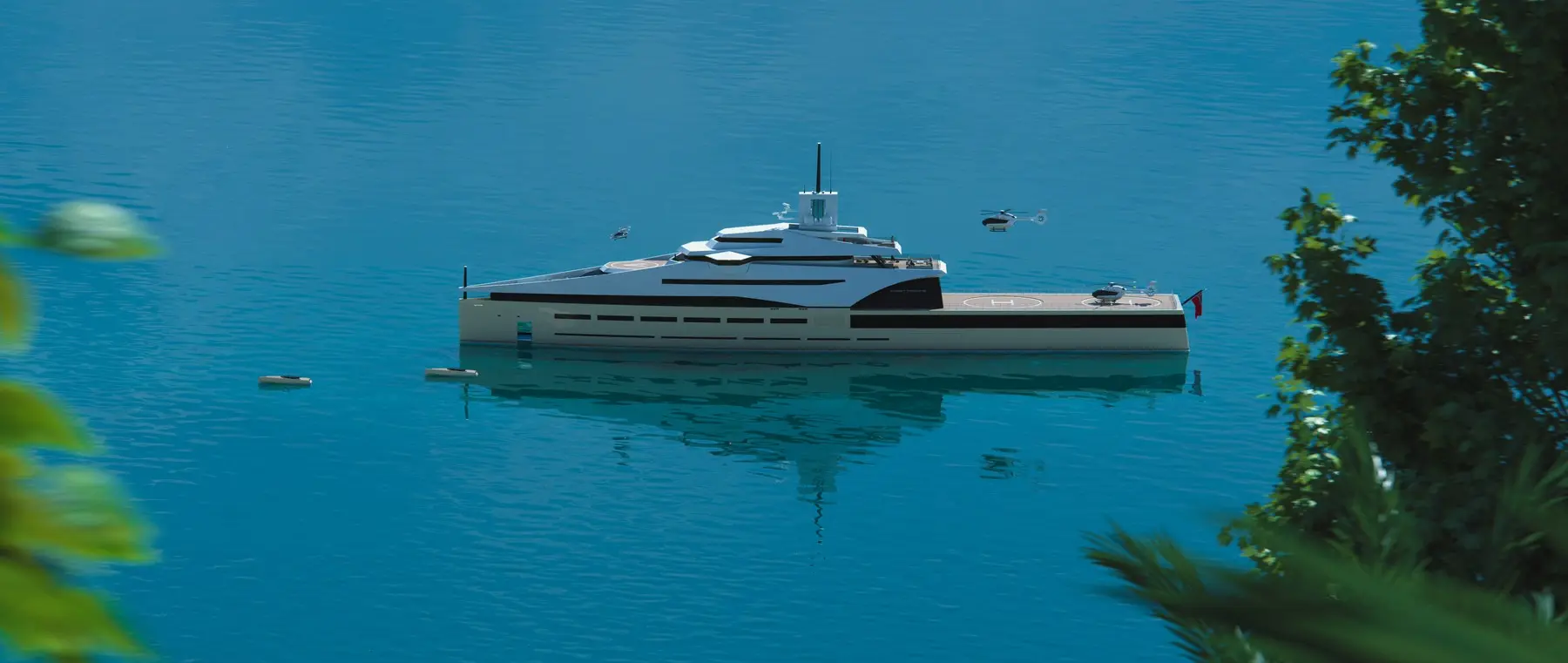
Alexander McDiarmid Design’s GEx proposes a 130m ice-class explorer with dual flight areas and below-deck helicopter hangars.
Alexander McDiarmid Design has developed GEx, a 130-metre explorer superyacht concept with aviation facilities forming a central part of its proposed architecture. Presented around the September 2026 Monaco Yacht Show, the study combines polar-cruising ambitions with the ability to accommodate four Airbus ACH145 helicopters. The design is a collaborative proposal rather than a commissioned yacht already under construction.
The studio worked with Lateral Naval Architects, Ghost Yachts and Maritime Aviation, drawing on naval architecture and aviation operations expertise. Its official project page describes an ice-class polar explorer intended for extended cruises in demanding waters. The announced overall length is 130 metres and the beam 20 metres. These are concept dimensions, and any actual yacht would require a completed engineering package and the necessary statutory approvals.
The most striking aspect of GEx is the proposed arrangement for helicopter operations. The design includes two landing areas and below-deck hangar accommodation intended to house four ACH145 aircraft in total. The layouts allow two helicopters to operate from external deck positions while a pair of enclosed hangars provide stowage for the remaining machines, according to the design description.
This is more ambitious than providing a single temporary landing platform on a yacht. Safe aviation facilities must accommodate deck loads, clear approach and departure paths, firefighting arrangements and control of fuel and maintenance hazards. Enclosed hangars add further mechanical and ventilation requirements. The proposal outlines how these challenges might be addressed, but imagery alone is not proof that a completed installation has passed an aviation survey.
The project envisions below-deck helicopter lifts that move aircraft between hangar and flight-deck positions. Integrating those systems into a superyacht involves creating large openings in the upper structure without compromising the fundamental strength of the hull or stability. Designers must also consider weather protection, securing equipment and safe crew access around lifting machinery.
One ambition of the concept is to let guests transfer to aircraft without moving through exposed deck areas, using a dedicated aviation lounge adjacent to the hangars. Such an arrangement could prove valuable on long-distance expeditions, but its feasibility will depend on lift specifications, available interior volume and an approved operational manual. The studio's drawings are a design vision, not a promise of a particular aircraft turnaround time.
Lateral Naval Architects contributed to the technical platform. The studio's published project page includes the observation that the unusual combination of substantial helicopter areas and below-deck hangars creates a difficult balance among hull breadth, structural depth, stability, roll comfort and overall performance. Those are fundamental issues for a large explorer yacht intended to work far from sheltered harbours.
A hull intended for polar operations may face additional weight and protection demands, while helicopter platforms place important loads high in the vessel. The design team must resolve these competing requirements before a real yacht could be built and classed. Lateral's participation indicates specialist naval-architecture input at concept stage, but the announcement does not supply final approved scantlings, tank plans or sea-trial data.
GEx is described as an ice-class explorer concept for owners interested in travelling to high latitudes. Helicopters could extend the range of shore visits and reconnaissance where safe landing areas ashore are limited. Their usefulness, however, depends on experienced pilots, suitable weather, fuel management, local aviation rules and an operating plan tailored to the destination.
The aircraft infrastructure is therefore more than a luxury feature. In remote regions, helicopter missions have important safety and logistical consequences, and the vessel's crew structure may need dedicated aviation specialists. Ice-class aspirations also require technical definition: the design team's use of the term does not establish a particular class notation already issued by a recognised classification society.
Although aviation dominates the engineering discussion, the exterior renderings depict the accommodation and leisure features expected of an exceptionally large private yacht. Long deck lines, a layered superstructure and broad sea-facing surfaces are arranged around the specialist mission equipment. The project attempts to reconcile the owner experience with the space normally demanded by helicopter operations.
Interior and guest arrangements remain subject to refinement, and the published drawings should not be treated as a confirmed cabin count or owner-approved general arrangement. On projects of this scale, the allocation of space for aviation systems can affect crew routes, accommodation, tenders and technical stores. The final brief would determine the balance between expedition logistics and conventional guest amenities.
Alexander McDiarmid Design brings the overall design direction, with Lateral providing naval-architecture expertise and Ghost Yachts and Maritime Aviation involved in other aspects of the collaborative proposal. The team demonstrates how unusual owner requirements can bring together specialists beyond the conventional yacht design disciplines. Aircraft stowage and movement are particular areas where consultation with experienced aviation firms becomes essential.
Airbus Corporate Helicopters' ACH145 is used as the reference aircraft for the four-machine arrangement, but naming a helicopter model does not mean any aircraft have been purchased for this yacht. Likewise, the presence of design partners does not establish a construction contract or builder assignment. Potential owners would need a formal development programme and a clear division of responsibilities before converting this study into a build.
GEx offers a test case for integrating demanding aviation facilities into a private explorer yacht instead of adding a helicopter pad to a largely finished design. Its 130-metre length and proposed four-aircraft capacity show the ambition of the scheme, while the collaboration with Lateral highlights the naval-architecture questions that must be resolved. For the superyacht sector, it illustrates how specialist missions can shape a yacht from the outset.
The accompanying image is an original Alexander McDiarmid Design rendering from the studio's own project materials, showing the proposed yacht in open water. It is not a photograph of a built GEx, nor evidence that construction has begun. This report describes the September 2026 concept and its stated intentions; contracts, certification and any eventual build schedule will require separate confirmation.
Explore
Go deeper into the yachts, companies, events and destinations directly connected to this article.
Company
Explore the company profile and related Superyacht Guide coverage.
Continue reading

Hydro Tec founder Sergio Cutolo was recognised by Confindustria Nautica in June 2026 for four decades of naval architecture and explorer-yacht design.
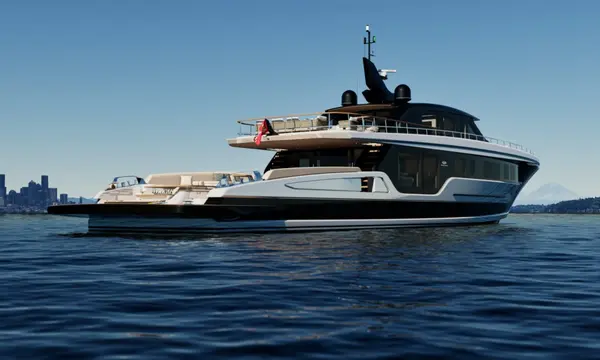
Delta Marine’s proposed 125-foot Longtail brings Roberto Curtò’s sculptural styling to a Seattle-built custom-yacht concept with a large aft pool and outdoor living space.
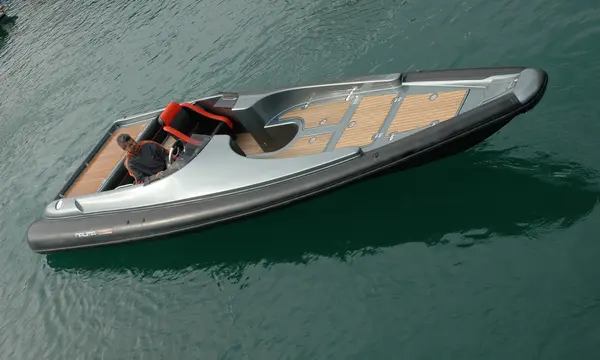
Naumatec's redesigned 7.98m Freccia 800 combines sports-tender performance with a more relaxed guest layout, after its presentation at the 2026 Monaco Yacht Show.
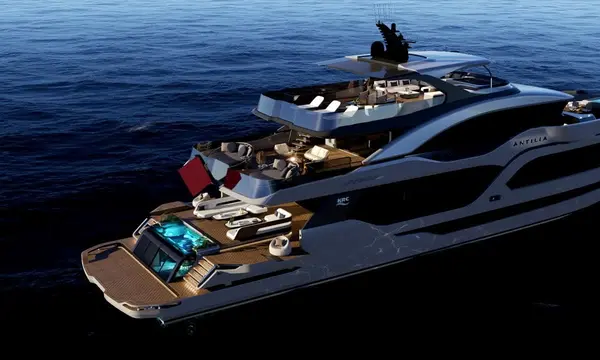
KRC Yachting has shared updated visuals of the 43m ANTILIA concept, with steel hull, aluminium superstructure, twelve guests and an intended two-year build programme.
Superyacht Guide
Continue into the wider Superyacht Guide.
Business opportunities · Superyacht Guide
Companies serving the superyacht market can discuss clearly identified advertising, sponsorship and business-profile opportunities. Commercial activity remains separate from independent editorial coverage.