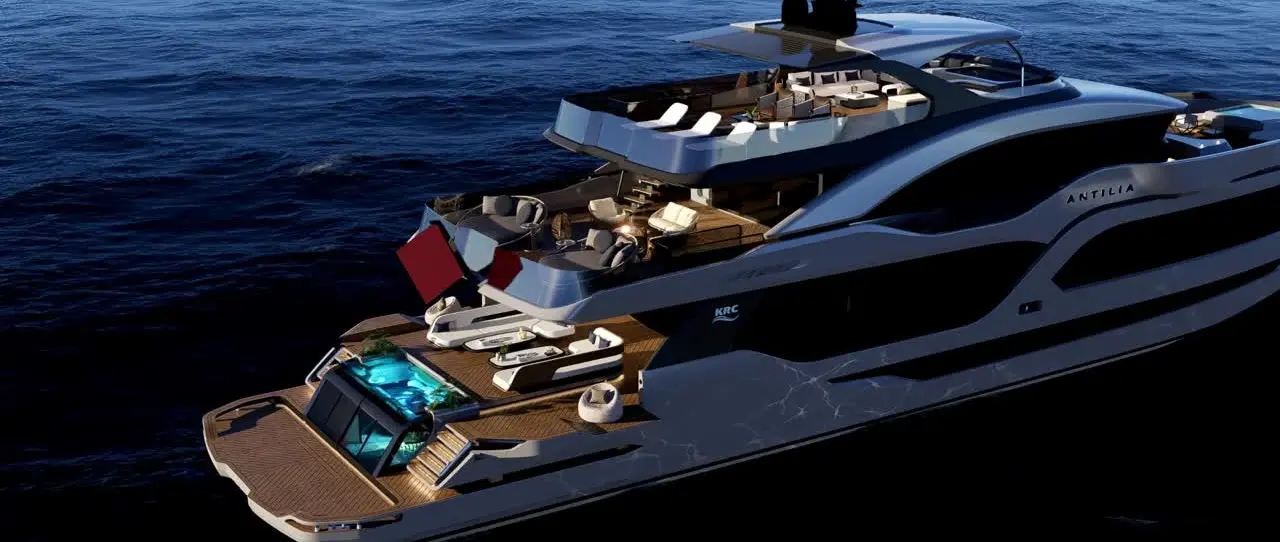
43m KRC ANTILIA Advances Through Superyacht Design Phase
By Stephen Yardley · Edited by Stephen Yardley
KRC Yachting has shared updated visuals of the 43m ANTILIA concept, with steel hull, aluminium superstructure, twelve guests and an intended two-year build programme.
KRC Yachting has presented ANTILIA, a 43-metre superyacht concept in its 140-foot series, with engineering work described as complete and the interior design advancing. The Turkish yacht company and designer Baran Akalın have publicised a new visualisation of the project, offering an early look at its exterior deck arrangement and the balance between guest accommodation and open-air leisure spaces.
The announcement is a design-stage development rather than the launch or delivery of a physical yacht. A proposed 24-month construction period applies to a prospective build programme and should not be mistaken for a confirmed completion date. At this stage, the most useful information for a buyer is the design brief, the anticipated technical platform and the flexibility to refine the interior before a contract is finalised.
The published outline gives a length overall of 43 metres and a beam of 8.55 metres, proportions intended to create meaningful volume across the main and upper decks. KRC proposes a steel hull with a marine-grade aluminium superstructure, a familiar materials combination in the displacement superyacht sector where structural strength and the careful management of upper-deck weight both matter.
The developer has also outlined a cruising speed of approximately twelve knots and a maximum speed of fourteen knots. These are design-stage figures, not independently recorded sea-trial results. There is no verified range or final propulsion installation disclosed in the available official presentation, so a responsible evaluation should avoid inferring either from the proposed speeds alone.
ANTILIA's exterior renderings show a layered aft-deck arrangement with generous open areas and glazed interior spaces. The emphasis is on connecting guests with the water while keeping the higher decks suitable for longer periods of relaxation and entertaining. Aft platforms and seating zones appear integrated with the vessel's overall design, rather than added as isolated accessories.
Computer-generated images can help explain the design intention, but they are not evidence of finished dimensions or installed equipment. A prospective owner should request dimensioned general-arrangement plans and specifications for any beach club, tender area or retractable platform, including its permitted use while a vessel is under way. The final build may differ as engineering details are resolved.
The project's preliminary accommodation concept places a private owner area on the upper deck, incorporating an adjoining balcony and an alternative circulation route toward the main deck. This positioning is intended to separate the owner's daily routines from some of the busier guest and crew activity elsewhere aboard. The arrangement could provide a more residential feeling than a cabin buried within a conventional accommodation corridor.
The extent of the balcony and access arrangement should be confirmed through the completed design documentation. Outdoor features on elevated decks require careful attention to safety rails, drainage, wind exposure and privacy when a yacht is in a marina. The challenge is to create an appealing private retreat without complicating the vessel's normal operation or emergency routes.
KRC identifies accommodation for twelve guests as part of the proposed concept. The design work credited to Baran Akalın continues to develop the visual treatment of the interior, with a focus on expansive glazing and a combination of refined materials. The approach is consistent with owners seeking substantial natural light and strong visual relationships between indoor seating areas and exterior decks.
At concept stage, however, the number of guests does not establish a final cabin layout or an approved charter capacity. Buyers would need to review crew accommodation, service access, escape arrangements and the specification of all guest cabins. Layout choices that appear attractive on a rendering must also provide practical circulation and privacy for guests spending extended periods aboard.
The company has described an intention to develop ANTILIA toward RINA classification and compliance with the Red Ensign Group Yacht Code for commercial-yacht operation. Those goals could be relevant to an owner who plans to offer the yacht for charter, because they affect safety systems, equipment, procedures and the eventual survey programme.
Planned classification is not certification. A class society and flag-state administration must separately examine and approve the completed design and construction before any applicable certificates can be issued. Until that process is complete, claims about full commercial readiness or permission to charter would be premature. The published ambitions should instead guide the engineering discussions that take place before construction.
KRC states a prospective construction period of twenty-four months for the project, an outline that can help potential buyers think about how a yacht might fit into their ownership timetable. A realistic build agreement would still require confirmed technical specifications, design approvals, yard capacity, payment milestones and provision for equipment delays.
Long-lead items such as propulsion machinery, electrical equipment, glazing and customised interior components can materially influence a new-build schedule. Owners should also allow for harbour and sea trials, commissioning and any corrections identified in the acceptance process. The announced duration is a planning estimate, not a guarantee that a completed yacht will be available two years from today.
KRC Yachting is positioning the 140-foot series within the large custom-yacht segment, where buyers can compare concepts from established shipyards with designs that remain open to personalisation. Its collaboration with Baran Akalın provides a defined design identity while leaving room for detailed interior decisions and technical refinement.
ANTILIA is therefore noteworthy as a further development of an identifiable forty-three-metre concept, not as a delivered addition to the world superyacht fleet. The next meaningful milestones would include a construction contract, finalised technical plans and confirmation that production has begun. Until those steps are announced, the project should be evaluated as a proposed new build with published design parameters.
Explore
Go deeper into the yachts, companies, events and destinations directly connected to this article.
Continue reading
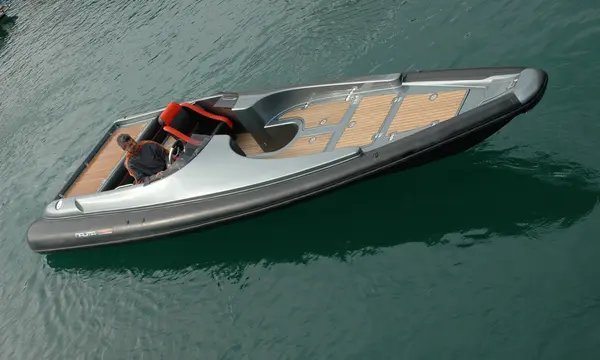
Naumatec's redesigned 7.98m Freccia 800 combines sports-tender performance with a more relaxed guest layout, after its presentation at the 2026 Monaco Yacht Show.

Silverlining Furniture and F/YACHTING describe how owner-led bespoke furniture and engineered marine craftsmanship are shaping high-end superyacht interiors.
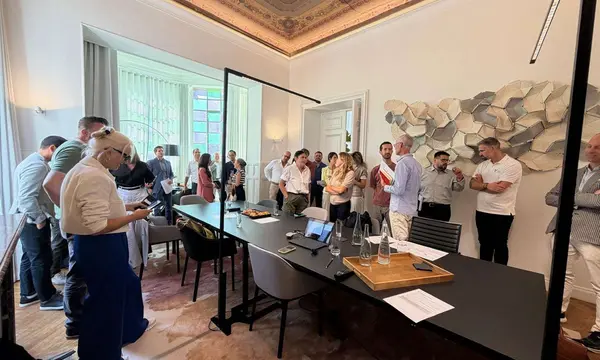
More than 40 yacht-industry professionals joined a Smart Interiors Horizon workshop at Zuretti Design in Nice to discuss practical decisions about responsible interior materials.
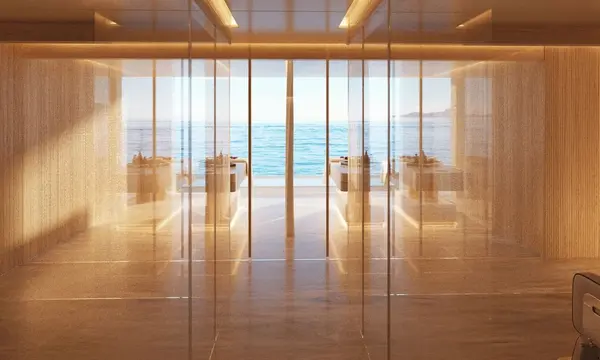
H2 Yacht Design has described how the 87.7-metre Turquoise-built ANGELIQUE integrates a panoramic gym and adjoining spa spaces into the yacht's overall layout.
Superyacht Guide
Continue into the wider Superyacht Guide.
Business opportunities · Superyacht Guide
Companies serving the superyacht market can discuss clearly identified advertising, sponsorship and business-profile opportunities. Commercial activity remains separate from independent editorial coverage.