Delta Marine Details 125ft Longtail Concept with Roberto Curtò
By Stephen Yardley · Edited by Stephen Yardley
Delta Marine’s proposed 125-foot Longtail brings Roberto Curtò’s sculptural styling to a Seattle-built custom-yacht concept with a large aft pool and outdoor living space.
Seattle-based Delta Marine has presented a 125-foot Longtail superyacht design developed in collaboration with Italian designer Roberto Curtò. The announcement was originally made in February 2026 and is being revisited as a design development rather than reported as a new launch. Delta describes a project intended to combine its engineering and construction experience with Curtò's more expressive approach to exterior forms and hospitality spaces.
The partnership brings together an established American custom yacht builder and an independent studio known for contemporary design. The companies have shown digital visualisations of the proposed vessel, but the available announcement does not establish that a hull has been ordered, built or delivered. Its specifications and arrangements should therefore be understood as a design concept, with any future construction subject to further engineering and a client brief.
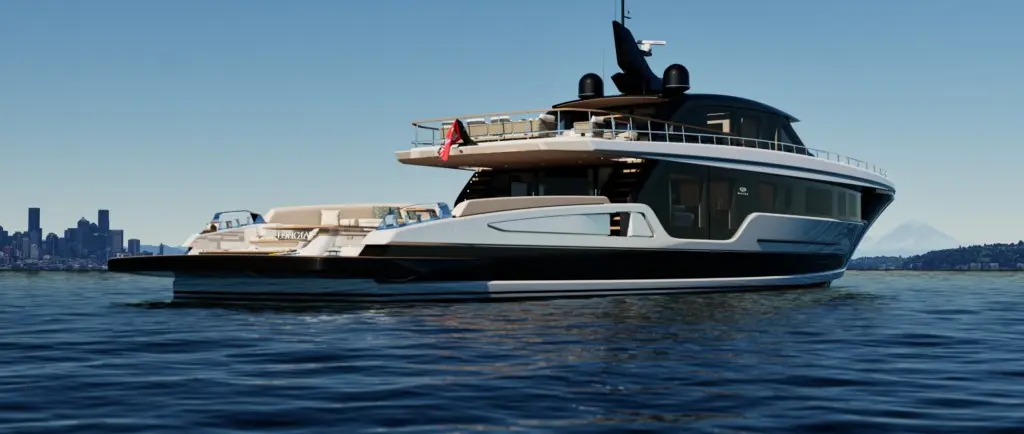
Curtò's studio describes the design as an interpretation of the flowing line of a long tail, drawing on aerodynamic shapes without trying to turn a cruising superyacht into a racing machine. The visual language combines sculpted surfaces with comparatively open deck areas. Delta presents this contrast as a way to give the yacht a distinctive profile while preserving usable space for its owners and guests.
The official renderings show an extended aft social zone close to the water and generous openings across the accommodation decks. Those illustrations convey the intended look, not an independently tested assessment of performance or seakeeping. A final exterior arrangement would need to reconcile these features with structural requirements, available machinery volume, visibility, safety equipment and the operational preferences of a particular owner.
The project's aft beach club is a central feature of the published proposal. Delta describes an extra-large swimming pool integrated into the area, with the stern conceived as a gathering place where guests can remain close to the sea. Side sofas in the cockpit are intended to slide outward and create a wider space that could serve as an entertaining deck or a panoramic seating area.
Such adaptable furniture could make a comparatively modest length superyacht feel more versatile when anchored in calm conditions. Mechanical movements, drainage and safeguarding would require detailed validation before construction. The release does not disclose pool volume, deck loads or the operating limitations of its moving furniture, so these features remain design intentions rather than equipment specifications verified on a completed yacht.
The shipyard's description emphasises sun-filled days, open-air meals and social connection, reflecting the use of outdoor spaces in much of Mediterranean yachting. The project is not presented as a conventional three-deck layout with a fixed separation between indoor lounge and exterior terrace. Instead, the spaces are intended to form a continuous guest environment centred around the water.
That idea is attractive to owners who entertain frequently, but it must be balanced against weather protection and the needs of crew handling lines, tenders or routine maintenance. Designers working on a final version would need to establish comfortable circulation routes and clear separation between guest and operational areas. The renderings provide a discussion platform; they are not a substitute for a reviewed general arrangement.
Delta says the planned interiors use restrained surfaces and a variety of natural materials, with an emphasis on calm rather than ornament. Wide windows with softened corners are intended to make the rooms feel open, while lower glazing in the cabins is designed to bring water views closer to guests. The proposed sky lounge includes natural wall coverings and relatively subtle decorative treatments.
These material and window decisions will affect both the atmosphere and the practical engineering of a yacht. Large openings require careful structural detailing, insulation and consideration of glare and heat load. Natural finishes must also be suitable for marine humidity, movement and long-term maintenance. No complete interior specification or independent environmental performance data has been published for the concept.
The designer has used advanced three-dimensional modelling tools to present the Longtail concept, with rendering techniques originally developed for aerospace visualisation. The studio says this allows examination of individual curves, proportions and reflections before committing them to a physical structure. Delta uses the images to explain the relationship between the exterior design and its construction philosophy.
Detailed visualisation can improve communication among an owner, designer and yard, but a convincing render is not evidence of completed naval architecture. Weight calculations, stability assessments, mechanical integration and class or flag requirements will still govern any build. The release refers to advanced engineering but does not publish a hull-test programme or certified operating characteristics for the proposed yacht.
Founded in 1967, Delta Marine builds custom yachts at its Seattle facility and describes an integrated approach spanning design coordination, engineering, fabrication and finishing. The company's history includes large yachts with demanding cruising requirements, creating a practical industrial backdrop for a more adventurous visual proposal. Its recent output also demonstrates why engineering support matters when an individual owner requests non-standard features.
Roberto Curtò's work brings a distinct exterior and interior perspective to that background. Delta's Michelle Jones described the collaboration as encouraging the shipyard to consider a different expression of its established capabilities. The announcement should not be taken to mean that the builder is abandoning its other custom projects or committing to a new production series with a published delivery schedule.
For prospective owners, the 125-foot Longtail offers a starting point for discussing how much of a yacht should be devoted to leisure rather than traditional circulation and formal rooms. The design shows a large aft pool, movable cockpit seating, expansive windows and an exterior line intended to stand apart from familiar superyacht profiles. Those choices would all require owner input before final specification.
The accompanying image is Delta Marine's own computer-generated rendering of the Longtail collaboration, not a photograph of an operating yacht. The February 2026 announcement identifies the parties and their intended design approach but does not confirm an order, launch, price or final technical performance. Any future construction will need separate documentation from Delta Marine before it can be treated as a delivered vessel.
Explore
Go deeper into the yachts, companies, events and destinations directly connected to this article.
Continue reading
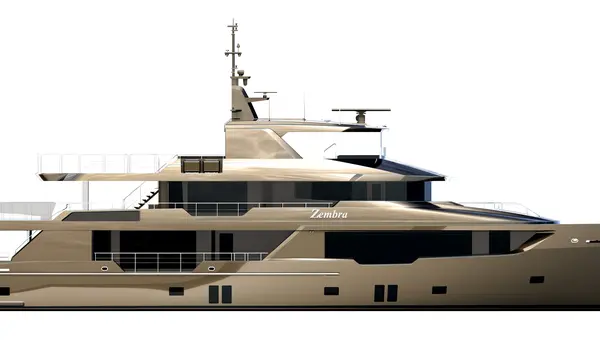
Delta Marine has launched the 46.3-metre explorer yacht Zembra in Seattle, combining transoceanic capability with aircraft, submersible and helicopter operations.
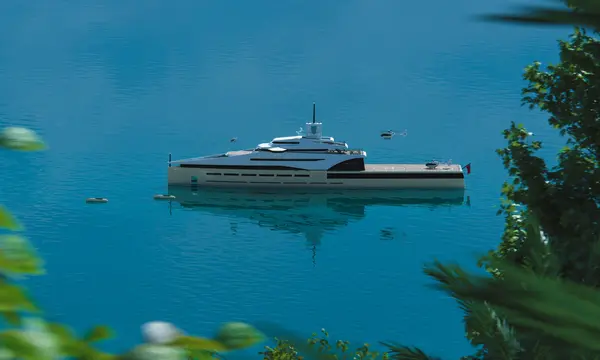
Alexander McDiarmid Design’s GEx proposes a 130m ice-class explorer with dual flight areas and below-deck helicopter hangars.

Hydro Tec founder Sergio Cutolo was recognised by Confindustria Nautica in June 2026 for four decades of naval architecture and explorer-yacht design.
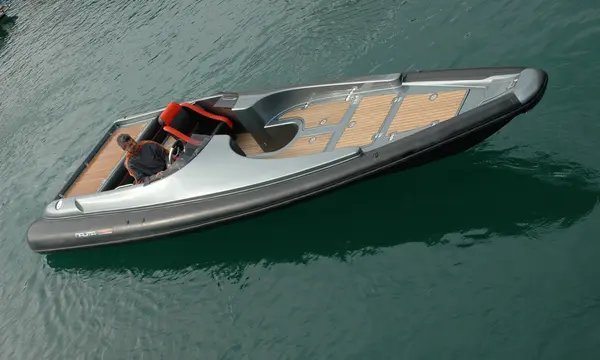
Naumatec's redesigned 7.98m Freccia 800 combines sports-tender performance with a more relaxed guest layout, after its presentation at the 2026 Monaco Yacht Show.
Superyacht Guide
Continue into the wider Superyacht Guide.
Business opportunities · Superyacht Guide
Companies serving the superyacht market can discuss clearly identified advertising, sponsorship and business-profile opportunities. Commercial activity remains separate from independent editorial coverage.