Amare Group Presents CLASSYC Superyacht Portholes and LUMYN Hatches at METSTRADE
By Superyacht Guide Newsroom · Edited by Superyacht Guide Newsroom
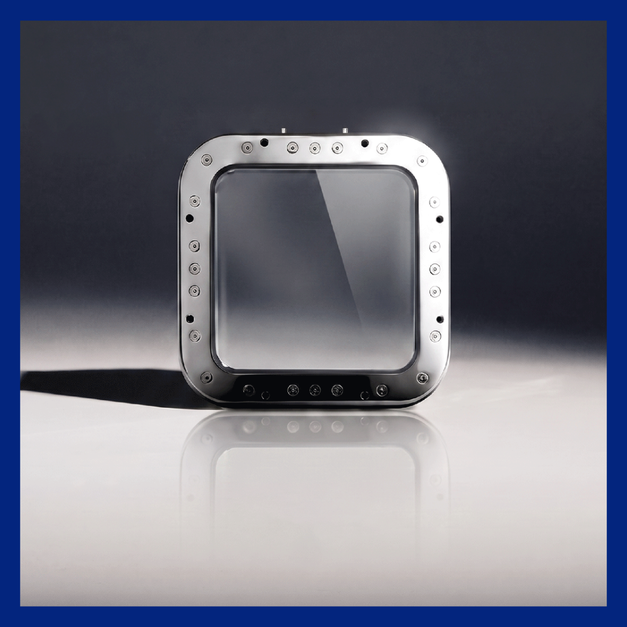
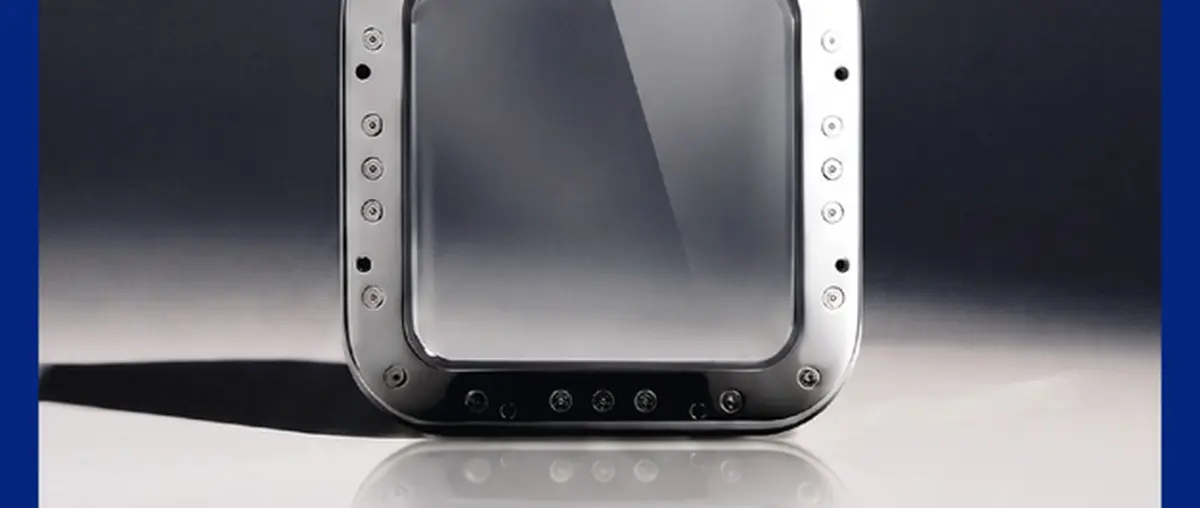
Amare Group CLASSYC superyacht porthole original METSTRADE 2026 manufacturer product image
Amare Group showcases CLASSYC superyacht portholes, LUMYN stainless hatches and DOORY patio doors at METSTRADE 2026, stressing safety and custom glazing.
Italian marine hardware specialist Amare Group has brought its CLASSYC portholes, LUMYN hatches and DOORY patio-door systems to METSTRADE 2026, highlighting the engineering that sits behind some of a superyacht’s most visible design features. The company’s exhibition material describes CLASSYC as part of a new superyacht-focused range and LUMYN as a family of tailor-made hatches for sailing and motor vessels. Large glazed openings and discreet deck hardware can transform an interior, but they also demand careful attention to structural strength, watertightness, movement and long-term servicing. The Amsterdam presentation is therefore relevant to naval architects and owner teams who must reconcile expansive views with the technical obligations of a vessel operating at sea.
Amare’s METSTRADE 2026 exhibitor listing identifies several product families, from portholes and hatches to boarding gangways and controlled opening systems. The group’s published announcement describes a series of new presentations, including the CLASSYC line associated with its superyacht division. These products cover different design problems rather than constituting one interchangeable hardware package. A porthole fitted through the hull has different requirements from a deck hatch, and a large patio door can affect the strength and movement of an entire superstructure opening. Designers should examine each application independently while considering the benefits of common manufacturing and control experience.
The CLASSYC porthole collection is presented for superyachts with a design language that draws on conventional round and rectangular marine openings while using modern materials and engineering. The manufacturer describes options for customised steel covers and class-related technical requirements. For a builder, a porthole is not simply an attractive frame around glass. It sits within the vessel’s structure and must resist the loads expected at its installation location. Its design also affects drainage, corrosion protection, interior trim and access for inspection. A product offered with class-oriented documentation can be useful, but actual approval will depend on the yacht, flag and selected specification.
A window or porthole opening removes material from a surrounding structure, which means the naval architect must consider reinforcement and local loads. A heavy steel cover may introduce its own forces through hinges, locking systems and fasteners. The fitting must be integrated into the metal structure with the correct welding or fastening details and a treatment appropriate to the materials. An owner may judge the result by the clean appearance of its frame, while the builder judges it by the strength and serviceability of the entire assembly. Both views are legitimate, but appearance should never determine dimensions before engineering checks have been carried out.
The LUMYN range is described as a collection of hatches for sailing and motor yachts, using AISI 316L stainless-steel construction and customised geometry. Amare highlights watertight sealing, structural performance and a flush appearance within contemporary deck designs. These attributes are valuable to yacht designers because hatches often occupy visually prominent areas exposed to spray and movement. A flush design can help create uninterrupted deck lines, but installation may become more demanding if drainage or access is compromised. Builders should request the applicable test results and review how the hatch will be inspected and maintained over its service life.
A manufacturer’s description of certified watertight performance should prompt a buyer to request the precise certificate, tested configuration and conditions. There can be important distinctions between weathertight openings and fittings intended for positions with more demanding exposure. A hatch installed on an upper deck may have different requirements from one near the waterline or in an area that can be overtopped. Gaskets, locking pressure and frame alignment can all influence performance. A yacht crew also needs clear procedures for closing and checking the fitting before departure. The strongest specification combines verified technical suitability with an arrangement people can operate correctly in ordinary service.
Amare describes DOORY as a large-format glazed patio-door system intended to connect saloons and exterior decks. Such arrangements are central to many contemporary superyacht layouts, where the distinction between indoor and outdoor leisure areas is increasingly fluid. Achieving broad openings can require substantial engineering because glass, framing and moving panels must tolerate vibration, vessel motion and the structural environment. A custom door also needs reliable locking and a safe operating sequence around guests. Owners may be attracted by panoramic views, but builders should assess the complete assembly, including the effect of the opening on nearby supports and circulation spaces.
Large hatches and patio doors can present pinch and trapping hazards when they move under power. Control systems therefore need careful treatment of limit switches, obstruction detection, emergency stopping and manual recovery. A product that moves smoothly in an exhibition demonstration may be exposed to very different loads aboard a yacht rolling at sea. Crew should know how to isolate a malfunctioning mechanism and secure the opening safely. The manufacturer's engineering drawings must be integrated with the vessel's wider electrical and control systems. Safety should be designed into the operating sequence rather than added as an afterthought when interior finishes are already installed.
The exhibitor listing also highlights the VANITY 2.0 gangway, a lightweight and customisable access system intended to combine safe boarding with a discreet design. Gangways are among the most frequently used moving pieces of equipment on a superyacht, especially during marina stays and guest transfers. Their performance depends on alignment, deflection, slip resistance and how they respond to changes in the relative height of quay and yacht. A sleek appearance is valuable only if users can board confidently and crew can recover the equipment reliably. A complete specification should include permitted loads and maintenance access alongside the chosen materials and finishes.
Sailing yachts may have deck layouts and rigging loads that limit where openings can be positioned, while motor yachts may place greater emphasis on expansive guest terraces and full-height doors. A supplier offering custom hardware across both categories must understand those differences. The same material might be used in several products, but the sealing arrangements, hinge geometry and operating environment will vary. A technical department should therefore avoid assuming that experience with one vessel type proves suitability for every installation. Project-specific consultation is particularly important when custom dimensions or unconventional positions are proposed.
Installing new glazed hardware during a refit can be more complicated than specifying it on a newbuild. Existing structural openings may limit the available dimensions, while interior trim and services can obstruct access to frames and controls. A large patio-door conversion could require significant engineering work beyond the cost of the door itself. Refits also need realistic downtime and a plan for protecting adjacent finishes during installation. The advantage of a custom supplier is the possibility of tailoring components to available space, but a survey and approved drawings are still essential. The goal should be a reliable improvement rather than an attractive feature that is difficult to maintain.
Marine stainless steels such as AISI 316L are used because they can offer suitable resistance in many yacht applications, but they are not immune to all forms of corrosion. Surface finish, crevice geometry, cleaning chemicals and the use of dissimilar metals affect performance. Owners and designers should also consider how water drains around frames and whether residues can accumulate in inaccessible spaces. A well-finished hatch may require regular inspection to retain its appearance and sealing performance. Material selection should follow the actual environment, including whether the opening is exposed to constant salt spray or operates mainly within a protected interior.
The long-term value of a hatch or door depends partly on the ease of replacing seals, actuators and small operating components. A yacht may remain in service for decades, and the owner may change managers or move the vessel between continents. Manufacturers should provide detailed manuals and a practical route to replacement parts. Crew should be trained to recognise early signs of misalignment or seal damage, rather than waiting for water ingress or a door failure. A beautiful custom system that cannot be serviced economically may eventually reduce the value it was intended to create. Access and documentation are therefore design features in their own right.
Amare’s separate superyacht emphasis reflects the demands of vessels where customization, certification and quality expectations are particularly high. An opening on a very large yacht may involve stronger loads and more complex integration than an equivalent-looking part on a small leisure craft. The business opportunity lies in combining refined design with the engineering capacity needed for those projects. Shipyards will still examine manufacturing capability, references and warranty arrangements before incorporating a new product family into a build. The launch of a division is a commercial signal, not a guarantee of specific installations or vessel deliveries.
An opening that remains reliable and maintainable over many years may offer benefits by reducing the frequency of replacement work. However, a claim of durability does not by itself establish a product's lifecycle environmental performance. Steel, glass, seals and powered mechanisms all have material and energy costs. Owners seeking more sustainable construction should ask about the available evidence and how individual components can be repaired rather than discarded. Designing for access can reduce the disruption of future maintenance, an important consideration when significant interior structure would otherwise need to be removed. Environmental responsibility is most credible when supported by practical servicing decisions.
Before committing to a new hardware system, project teams should establish the expected installation position, applicable rules, structural interfaces and operating loads. They should also request details of testing, control systems, lead times and worldwide support. Visual samples are useful for comparing finishes, but technical drawings and references determine whether the arrangement can be fitted safely. A yard may benefit from reviewing multiple Amare product families together where their design interfaces overlap, although each still requires separate approval. The objective is a coherent yacht rather than a collection of impressive products that were never engineered to operate as a whole.
The 2026 presentation of CLASSYC, LUMYN and DOORY offers an example of how marine hardware development can affect both the appearance and operation of a modern superyacht. More expansive glazing and discreet hatches create design opportunities, while controlled movement and watertight interfaces impose technical responsibilities. The products deserve attention because they address real decisions that naval architects, owners and crews make during newbuilds and refits. Their eventual success will be measured through dependable installation, safe operation and accessible maintenance, not simply the reception of the exhibition models in Amsterdam. Thoughtful engineering is what allows the visible design ambitions of a large yacht to work at sea.
Primary source: Amare Group — official METSTRADE 2026 Superyacht Zone exhibitor product presentations.
Manufacturer image: Amare Group CLASSYC porthole, official METSTRADE 2026 Superyacht Zone product gallery. Official source.
Explore
Go deeper into the yachts, companies, events and destinations directly connected to this article.
Continue reading
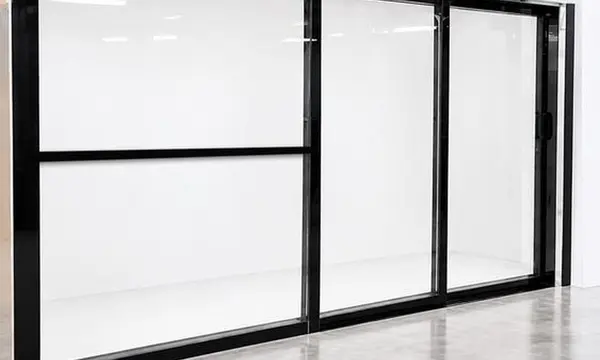
Amare Group presents DOORY large-format patio doors for superyacht saloons, promoting panoramic glazing and marine structural integration at METSTRADE 2026.

Aksìa Capital VI has acquired Amare Group's specialist marine components activity and combined it with Seasmart under the MHI industrial platform.
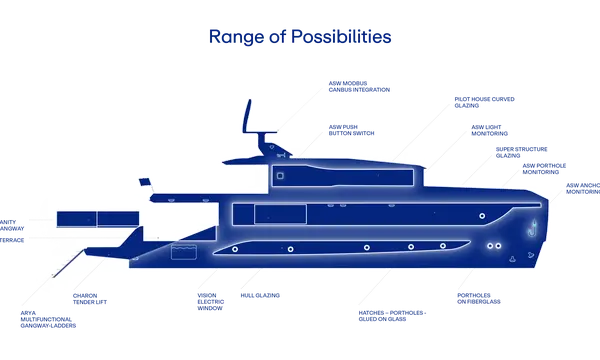
Aksìa Capital VI has acquired Amare Group through MHI Group, bringing the specialist marine-components manufacturer alongside Seasmart. Founder Michele Benvenuto Preziuso is reinvesting and …
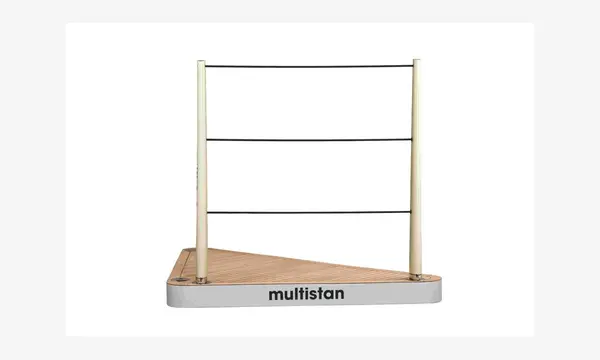
Multiplex describes its multistan removable carbon-fibre railings with a 180-degree locking mechanism and folding option for frequently accessed yacht deck areas.
Superyacht Guide
Continue into the wider Superyacht Guide.
Business opportunities · Superyacht Guide
Companies serving the superyacht market can discuss clearly identified advertising, sponsorship and business-profile opportunities. Commercial activity remains separate from independent editorial coverage.