Amare Group Details DOORY Panoramic Patio Doors for Large Superyachts
By Superyacht Guide Newsroom · Edited by Superyacht Guide Newsroom
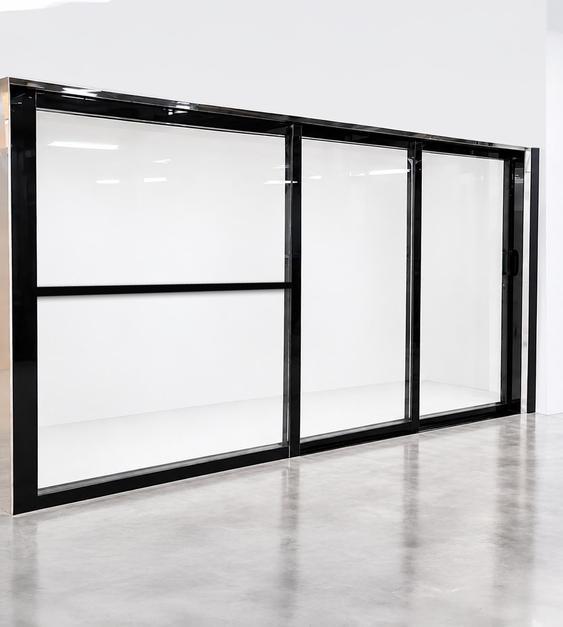
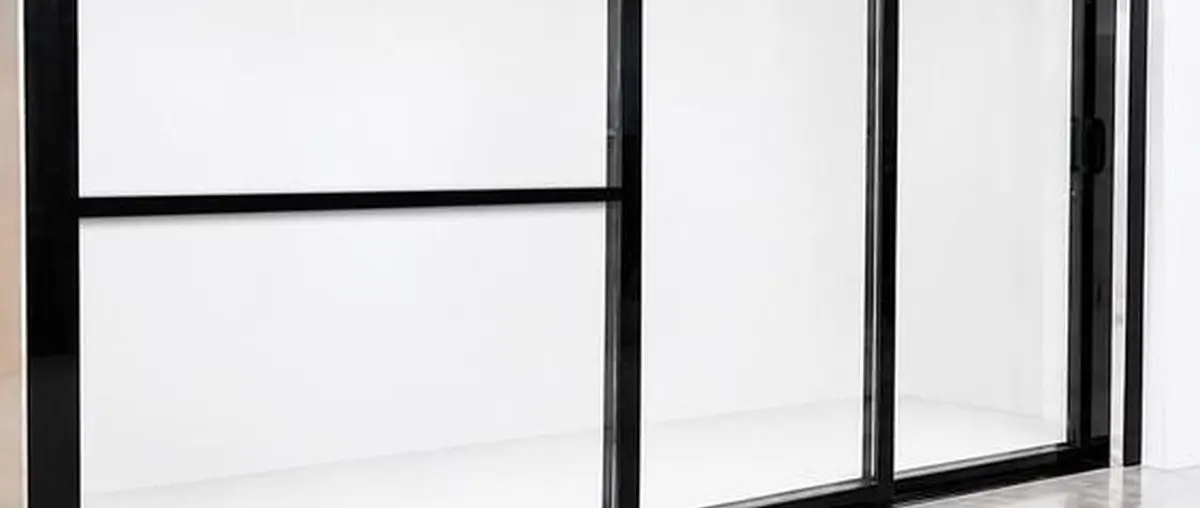
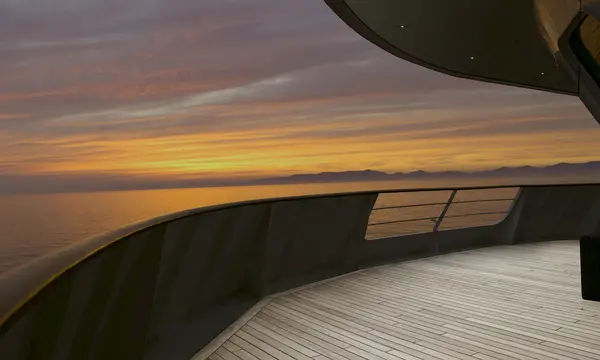
Amare Group DOORY large format yacht salon patio door genuine manufacturer presentation photograph
Amare Group presents DOORY large-format patio doors for superyacht saloons, promoting panoramic glazing and marine structural integration at METSTRADE 2026.
Italian yacht-equipment specialist Amare Group is highlighting DOORY, a large-format patio-door system intended to connect a yacht's main saloon with exterior deck spaces. Its official METSTRADE product listing, dated 17 November 2026, describes custom-engineered glass openings intended to preserve panoramic views while meeting the structural challenges of the marine environment. The announcement concerns a specific architectural door offering rather than the CLASSYC portholes or LUMYN deck hatches that the company has presented elsewhere. For designers of yachts above 24 metres, the important issue is how a visually seamless interior-to-exterior threshold can be built without compromising water protection, secure operation or the practical requirements of a working vessel. The product catalogue outlines an ambition; the detailed engineering of a particular door remains a project-specific decision.
The boundary between a main saloon and an open deck performs an unusually demanding job. On one side is a carefully conditioned interior containing furniture, artwork and electronic equipment. On the other is a space exposed to wind, spray, sudden rainfall, salt and the motion of the sea. A large glazed opening can transform the way guests experience a yacht, but it also increases the number of points where structural movement, misalignment or poorly detailed drainage may cause problems. The installation should therefore be designed as part of the exterior envelope rather than selected solely from a styling catalogue. This is particularly important on yachts with open aft decks that are used intensively during charters. Owners will notice when a door opens effortlessly, yet it is the engineering behind the frame and seals that makes such convenience sustainable.
Amare's METSTRADE listing identifies DOORY as an architectural patio-door system for yachts, described as suitable for expansive glass areas, unobstructed views and a smooth connection between saloon and deck. It mentions structural integrity and marine conditions as design objectives. The brief published description does not provide exact maximum panel sizes, opening mechanism types, watertightness testing, glass thicknesses or applicable classification approvals. Those details should not be inferred from the marketing terms. Buyers need the current manufacturer drawings and the specification for the precise configuration their naval architect proposes. A large yacht may require a very different design from another vessel of similar length because the opening position, available structure and exposure to weather vary considerably.
Modern luxury interiors often seek to blur the visual boundary between inside and outside. A wide door can make a saloon feel continuous with the aft deck and help bring light deeper into the living spaces. The effect is especially striking when the deck is furnished as a secondary lounge rather than a purely operational area. Yet a visually minimal frame still has to carry imposed loads and preserve the geometry needed for reliable movement. Designers should coordinate the door with the surrounding bulkhead, deckhead and glazing rather than drawing a large opening and hoping a standard unit will fit. If the structural engineer needs substantial reinforcement, the door's apparent transparency may change. The most successful solution is agreed early enough for structure, drainage and interior styling to develop together.
A large yacht is not a perfectly rigid building. The hull and superstructure experience movement from waves, loading, temperature changes and operational conditions. The amount of deflection reaching a particular door depends on its location and the vessel's structural design. A glazing system must tolerate the conditions specified for it without binding, cracking or losing its seal. Naval architects therefore need clear data on acceptable movement, frame supports, connection details and installation tolerances. Door suppliers should be consulted before the surrounding structure has been fully detailed. Where an opening spans a wide area, small dimensional changes can affect the way rollers, hinges or sliding elements operate. The manufacturer's claim of precision marine engineering must be verified through drawings, calculations and appropriate acceptance testing.
A flush-looking threshold is attractive to guests, particularly where the same floor finish continues onto a sheltered deck. But water has to go somewhere during heavy rain, washdown or spray. A design should explain drainage, sill geometry and the relationship between the deck's scuppers and the door's seals. The chosen arrangement may need measures that are less visible than the primary glass panels but no less important. Captains should also understand under which sea states and operating conditions the opening can be used. A patio door that provides excellent protection at a calm marina berth may face very different conditions on passage. Crew should not assume that a large opening remains appropriate for guest use when the surrounding deck is wet or exposed.
The official listing describes effortless operation as a design aim, but does not specify a standard motor arrangement for every DOORY installation. Depending on the actual design, a large glazed panel may involve mechanical support, powered movement or specialised control logic. Owners should ask about permitted operating speed, access control, obstruction detection and the possibility of safe manual recovery after a power fault. The opening should never create a situation where guests can be trapped or where a panel moves unexpectedly as someone steps across the threshold. Crew need familiarisation with the normal operating sequence and the correct response to abnormal noises or resistance. Electrical and mechanical designers should ensure that the door's control arrangements remain maintainable rather than being hidden behind inaccessible decorative panels.
Water and air seals affect more than technical compliance. A door that admits drafts can undermine the quiet, stable climate expected in the main saloon. Similarly, a persistent rattle or whistle may be particularly noticeable during a long voyage. Gaskets and sealing surfaces should be chosen and installed according to manufacturer instructions, with the surrounding structure aligned to suit. The vessel's maintenance plan should include inspection for compression damage, dirt and deterioration, especially where sea spray or cleaning chemicals are common. Owners sometimes focus on the glass appearance and overlook the future cost of replacing specialist seals. Procurement should therefore address the availability of replacement parts and the ability of the service team to adjust the installed door years after delivery.
An extensive glazed area can increase solar heat gain, placing more demand on the yacht's air-conditioning system. The door itself may also form a thermal bridge if its frame is not designed with the intended climate in mind. Buyers should evaluate glazing specifications, shading and the relationship between the saloon's climate zones and the exterior deck. There may be trade-offs between maximum transparency, visible tint, acoustic control and insulation. The METSTRADE product description does not provide numerical thermal performance data, so those values need to be confirmed for the selected design. An owner who intends to cruise in both Mediterranean heat and cooler northern regions may set different requirements from one operating primarily in sheltered waters. Integrating these decisions early can reduce uncomfortable interior temperatures and avoid later attempts to compensate with larger air-conditioning machinery.
A large patio door often becomes one of the main routes through the yacht when guests move between indoor dining and outdoor entertaining. Its clear opening width, threshold and operating characteristics affect the convenience of service staff as well as guests. Designers should account for catering equipment, luggage, wheelchairs where relevant and the way people cross when both spaces are crowded. A visually disappearing threshold is not automatically accessible if the route includes sudden level changes or difficult surfaces. Nor should the door compromise emergency egress or the safe movement of crew under demanding conditions. The layout should be assessed for realistic use rather than only the photographs expected at launch. Guests may never think about these details, but they can decide whether a celebrated architectural feature is genuinely comfortable to use.
Retrofitting a panoramic patio door into an established yacht can require significant structural and finishing work. The project team must investigate the role of the existing bulkhead, the condition of adjacent decks and the feasibility of creating an opening of the proposed size. A replacement unit may have different loads or service clearances from the original door. The yard should also consider how the system can be removed for repair without dismantling extensive interior joinery. Drainage details that were adequate for the original arrangement may need redesign. A refit budget should therefore include surveys, structural assessment and commissioning, not simply the purchase price of a new glass system. If the yacht is under commercial charter obligations, the schedule implications deserve particular scrutiny.
External doors may influence the vessel's stability, weathertightness and emergency arrangements, depending on where they are installed. Designers must establish what approval is required for a particular opening, including the expectations of the relevant classification society and flag administration where applicable. A manufacturer photograph does not demonstrate that any proposed installation is compliant. Builders also need to confirm how the door operates during conditions that require all external openings to be secured. Instructions should be part of the yacht's operational documentation so that new crew know the limits of use. The correct approach is to integrate aesthetics into a properly engineered and approved exterior opening, not to treat regulatory checks as a final formality.
Amare also presented CLASSYC portholes and LUMYN hatches during the Amsterdam exhibition, but DOORY raises a different set of design and operational issues. A patio door is a large, frequently used passage between conditioned and unconditioned spaces, often located in a guest circulation route. The technical priorities are therefore not identical to those for a small opening in the hull or a hatch in a deck. Maintaining that distinction helps owners compare relevant suppliers and prevents a collection of unrelated products from becoming an undifferentiated trade-show announcement. The official listing gives a separate identity to the DOORY patio-door system, and project teams can use it to initiate a focused specification discussion.
The company's 17 November product listing confirms that DOORY is being presented as a large-format glass patio-door system custom-engineered for yacht environments. That is sufficient to examine its architectural relevance, but not to claim published performance figures or approvals that the source does not supply. For superyacht owners, the strongest procurement questions concern the chosen door's tested dimensions, structural tolerances, weather protection, access, safety and maintenance support. The attraction of panoramic glazing is obvious when a yacht is at anchor on a fine day. The engineering challenge is making it work just as predictably when the crew needs to close, secure and maintain it in real conditions. DOORY is another reminder that comfort and aesthetics are inseparable from robust marine design.
**Primary source:** Amare Group's official DOORY patio-door listing in the METSTRADE 2026 exhibitor catalogue, dated 17 November 2026. Product-specific approvals and performance data require direct manufacturer verification.
Primary source: Amare Group — official METSTRADE 2026 DOORY patio-door product announcement, 17 November 2026.
Manufacturer image: Amare Group DOORY large-format yacht patio-door original product photograph, official METSTRADE 2026 catalogue. Official source.
Explore
Go deeper into the yachts, companies, events and destinations directly connected to this article.
Continue reading
Amare Group showcases CLASSYC superyacht portholes, LUMYN stainless hatches and DOORY patio doors at METSTRADE 2026, stressing safety and custom glazing.

Aksìa Capital VI has acquired Amare Group's specialist marine components activity and combined it with Seasmart under the MHI industrial platform.
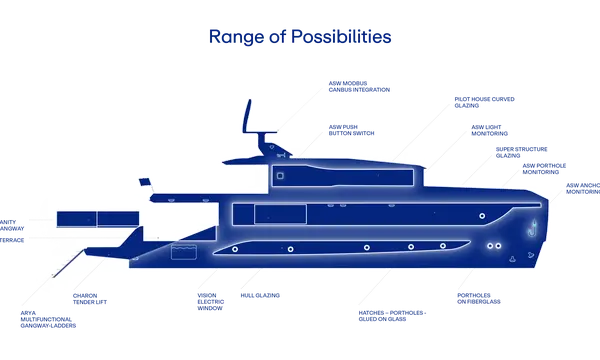
Aksìa Capital VI has acquired Amare Group through MHI Group, bringing the specialist marine-components manufacturer alongside Seasmart. Founder Michele Benvenuto Preziuso is reinvesting and …
Apure Marine lists its FORTIS IP67 lighting fixture with two beam-angle options and a low-glare lens design for demanding yacht environments.
Superyacht Guide
Continue into the wider Superyacht Guide.
Business opportunities · Superyacht Guide
Companies serving the superyacht market can discuss clearly identified advertising, sponsorship and business-profile opportunities. Commercial activity remains separate from independent editorial coverage.