Company
Apure Marine / Apure Lighting
Explore the company profile and related Superyacht Guide coverage.
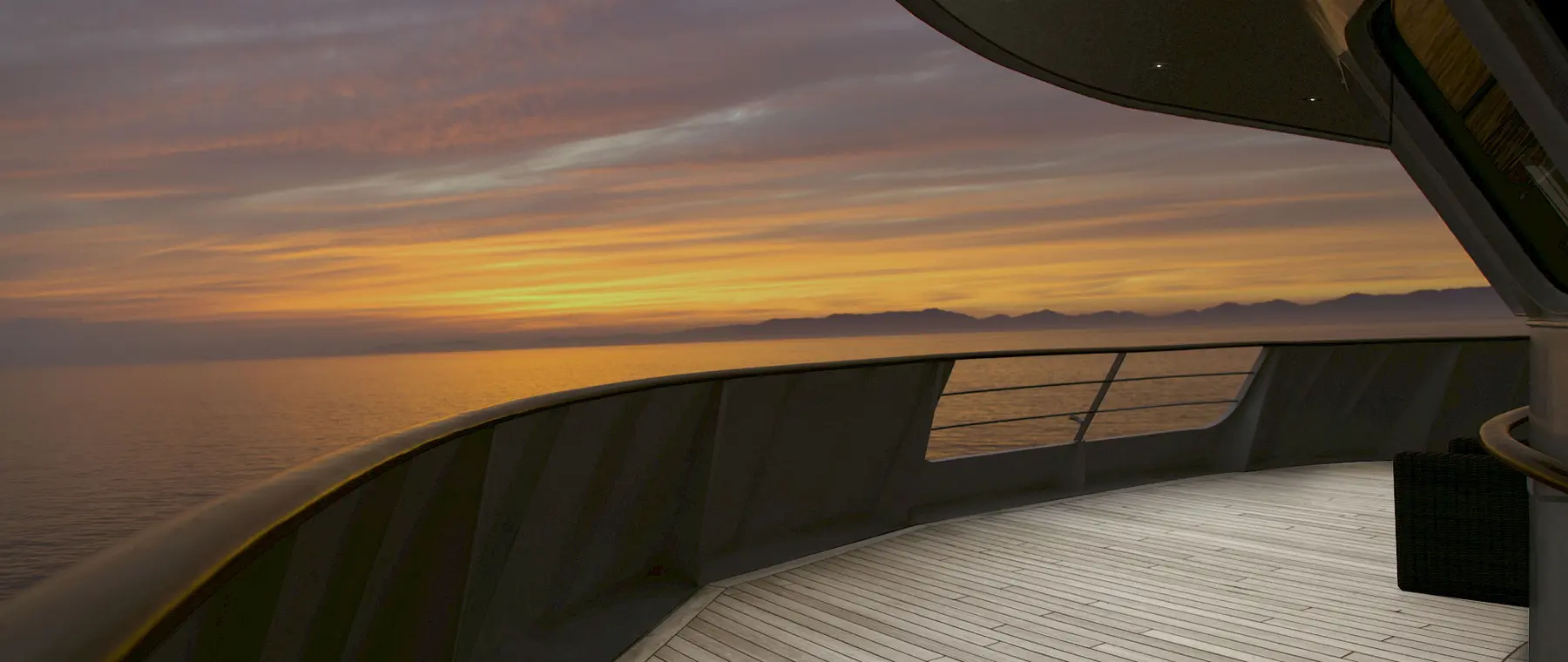
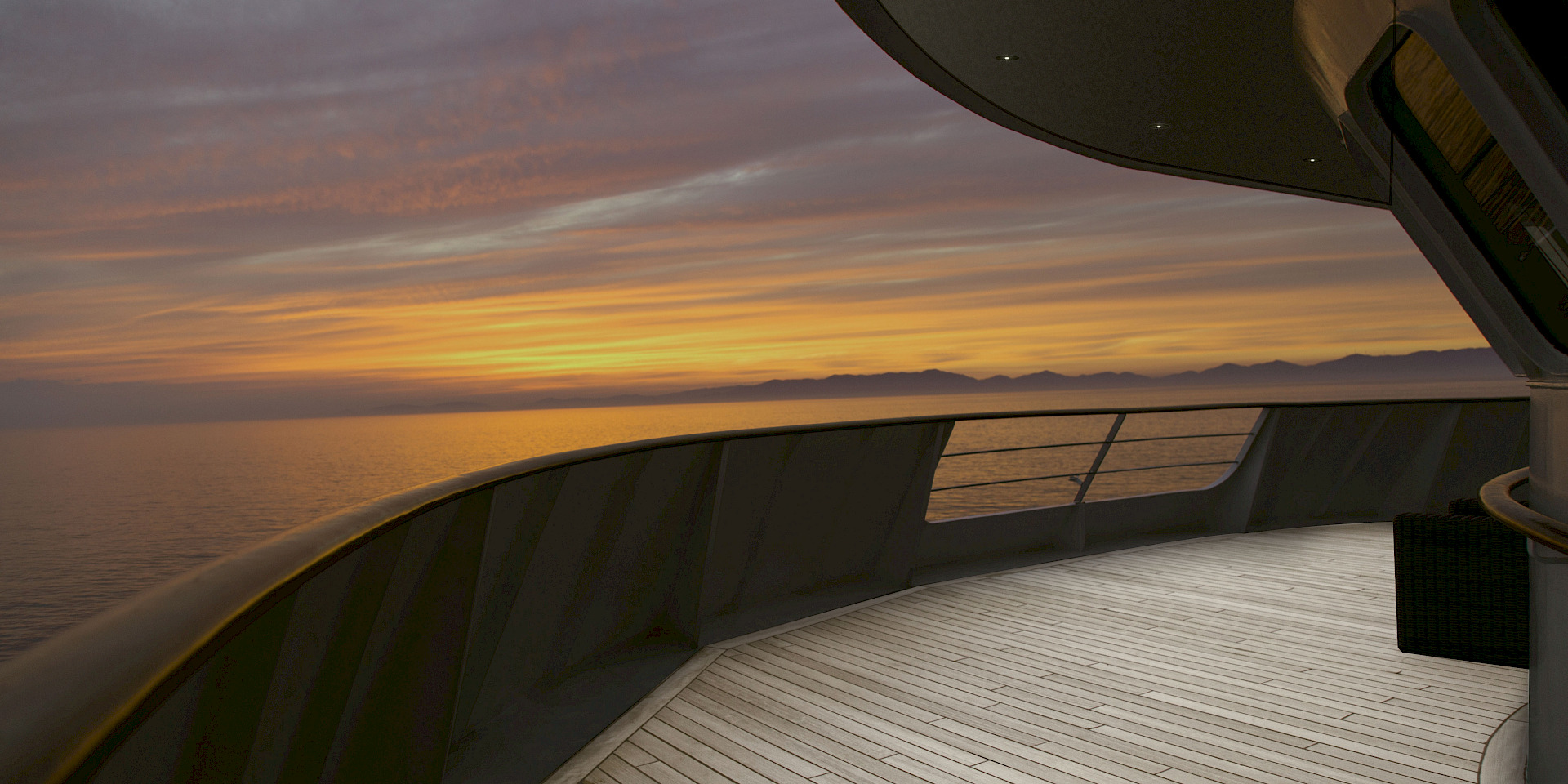
Apure Marine FORTIS IP67 actual recessed-light installation — first-party maker image SYG 24 Nov 2026 batch07
Apure Marine lists its FORTIS IP67 lighting fixture with two beam-angle options and a low-glare lens design for demanding yacht environments.
Exterior lighting on a superyacht does more than illuminate a deck. It shapes how guests perceive the vessel at night, helps crew move safely and can either preserve or interrupt the experience of looking out over dark water. Apure Marine / Apure Lighting's FORTIS IP67, listed in the METSTRADE 2026 supplier catalogue, brings those competing requirements into one compact fixture. Its official description emphasises lens technology intended to create soft light with minimal glare and states that two beam angles can be used for controlled accents or more dramatic illumination. The IP67 designation signals a level of enclosure protection that designers will want to examine closely. The catalogue does not establish that the product has been newly launched in November 2026 or installed aboard a particular named yacht. Its value as a story is in the specification questions it poses for new builds and refits.
Many of the most memorable moments aboard a yacht take place outdoors: a quiet meal on the aft deck, a passage through a warm evening or a conversation beside the water. Poorly planned illumination can overwhelm these spaces with bright reflections and distracting points of light. Designers therefore need to consider not only how much light reaches a surface but also the direction from which it is visible. A fixture described as low-glare might help achieve a quieter atmosphere, but the outcome depends on mounting height, beam angle, surrounding materials and how the eye adapts to the dark. A product claim is not the same as a measured result in an actual deck setting.
Apure's first-party product entry calls FORTIS a fixture designed around advanced lens technology, controlled beams and restrained appearance. It says the product offers two angles for directing the light. Those are useful selection details for a designer deciding whether to create a soft background effect or an intentional highlight on a feature. The public description does not identify every photometric value, colour temperature, dimming protocol or material option. Before specification, the lighting designer should request the exact variant schedule and independent or manufacturer laboratory data. It is important not to assume that every product marketed as low-glare will perform identically across all installation geometries.
An IP67 designation is commonly associated with protection against dust ingress and temporary immersion under defined test conditions. The rating should be read alongside the actual test standard, product construction and the limitations stated by the manufacturer. It does not automatically establish suitability for permanent underwater operation, repeated high-pressure washing or arbitrary saltwater exposure. Corrosion resistance, thermal behaviour, cable sealing and the durability of an installation all depend on more than the face of the luminaire. For a superyacht refit, the team should check the assembly as supplied, including drivers, connectors and any junction boxes, rather than assuming that a protected fixture makes every part of the lighting circuit equally robust.
The catalogue's two-angle feature could enable designers to distinguish task lighting from accent lighting. A narrow beam may draw attention to a staircase detail or sculpture, while a broader distribution may soften the appearance of a seating area. Yet a broad beam positioned poorly can spill light towards the bridge or across the water, and a narrow beam may create harsh contrast if surrounding surfaces remain dark. The yacht should therefore review beam spreads on drawings and during an onboard mock-up. Photometric simulations are useful, but a physical trial can reveal reflections from polished handrails, glazing and high-gloss finishes that are difficult to anticipate from a specification sheet alone.
A guest relaxing on a terrace may prefer subdued warm lighting, while a deckhand working with mooring lines needs reliable visibility of edges, cleats and obstacles. The same fixture can be attractive in both settings, but the lighting scheme must meet the tasks actually performed. The captain and deck department should identify routes used during night watches, emergency movements and service turnovers. Designers can then separate decorative scenes from functional settings that provide adequate contrast and safe navigation around the vessel. FORTIS may be considered for a role within that scheme; nothing in the short catalogue entry establishes that one luminaire alone satisfies the yacht's broader operational illumination requirements.
Exterior lighting is sometimes installed primarily for the benefit of guests without full attention to the sightlines of the wheelhouse. Bright fixtures reflected in bridge glazing can reduce night vision and make it more difficult to identify navigation lights or other vessels. The position of a recessed light matters when a crew member looks along a side deck or through angled windows. Lighting designers should review sightlines from helm and wing stations as carefully as views from the dining table. Scene controls may be needed to dim or extinguish decorative circuits when the yacht is under way. These decisions should be captured in the operating philosophy before handover rather than left to improvisation by watchkeepers.
Yacht owners often expect lighting to respond smoothly to entertainment scenes, service modes and different times of day. However, compatibility with the planned dimming system must be verified for the exact fixture and driver; the official FORTIS listing does not document all interfaces. Engineers should review what happens at very low output, whether flicker is perceptible and how individual luminaires behave after power restoration. Control-system updates can change performance if responsibility is not clear. The vessel's integrator should be involved in tests using the actual hardware. A technically elegant lighting plan becomes frustrating if a supposedly uniform group of fixtures dims unevenly or produces distracting changes in colour.
Compact luminaires may concentrate heat in a small installation envelope, making thermal management relevant to the choice of backing material and mounting arrangement. Electrical and interior teams should follow the maker's clearance and ventilation guidance rather than assuming that LED technology removes all heat. The suitability of trims and fasteners also needs evaluation for exposed marine use. An installation beside a teak deck, composite panel or metal liner can present different constraints. The catalogue description is not a substitute for assembly drawings, mounting instructions and warranty conditions. Buyers should confirm which parts are replaceable and whether long-term appearance can be preserved after exposure to UV, salt and cleaning products.
A beautiful light loses appeal when dirt accumulates in its recess or a lens becomes cloudy. Marine exterior fixtures may be exposed to sea spray, sun-care products, washing chemicals and repetitive pressure from brushes. The yacht should adopt cleaning methods approved for the luminaire, including its seals and finish. Maintenance staff need to know whether a failed unit can be replaced from the visible side or requires removing interior trim. Access may be awkward if lights are placed above a beach club, beneath a deck overhang or beside sensitive paintwork. The practical service route should be drawn before decorative surfaces are finalised, not discovered after the first failure.
Brightly illuminated yachts can create spectacular marina photographs, yet owners increasingly value a sense of privacy and connection to the surrounding environment. That makes light spill an aesthetic and environmental consideration. A fixture with carefully controlled beam angles can support more precise design, although the actual effect must be verified in place. In remote anchorages, excessive exterior lighting may disturb neighbouring vessels, wildlife or the guest's own view of the night sky. Crews should have sensible scenes for being alongside, at anchor and under way, with emergency and safety functions retained. The ideal result is not a completely dark yacht, but one whose lighting is deliberate rather than uncontrolled.
A useful mock-up would include several lighting positions, actual deck materials and representative dimming levels. Designers should photograph the result from guest seating areas, the jetty, the tender and the wheelhouse. They should observe both the intended subject and any unwanted reflection in nearby windows. Crew can then assess whether steps and trip hazards remain sufficiently visible and whether lighting settings interfere with manoeuvring or maintenance. The two-angle FORTIS proposition should be compared in this practical context rather than judged only by a catalogue image. Acceptance should include the performance of the complete circuit, not merely the illuminated appearance of an individual sample.
The official Apure Marine exhibitor entry identifies the FORTIS IP67 fixture and promotes advanced lens control, minimal glare and two beam-angle options. It does not supply full test reports in the short product text, identify a particular yacht installation or establish a universal environmental approval for every exposed position. The IP rating must be interpreted against the manufacturer's technical documentation. This coverage is a design and operational analysis of an officially listed product, rather than a claim that a new lighting system has just been delivered. Owners and yards should request up-to-date specifications directly from the maker before purchasing or signing off installation drawings.
The best exterior lighting is often noticed through its effect on the space rather than the fittings themselves. Apure's FORTIS proposition is relevant because it places lens design, restrained illumination and beam control at the centre of a marine product conversation. But successful application still requires careful decisions about safe deck movement, guest comfort, bridge visibility, control integration and maintenance. No single IP code or marketing description resolves all those questions. For designers preparing a superyacht refit, the useful lesson from the 2026 catalogue is to evaluate light as a complete onboard experience, from the source and its enclosure to the people who will work, relax and navigate around it.
Primary source: Apure Marine / Apure Lighting official FORTIS IP67 product entry, METSTRADE 2026.
Further information: Apure Marine official FORTIS manufacturer product specification.
Photo copyright Apure Marine. Authentic official manufacturer FORTIS installation photograph. Official source.
Photo copyright Apure Marine. Authentic official manufacturer FORTIS installation photograph.
Explore
Go deeper into the yachts, companies, events and destinations directly connected to this article.
Company
Explore the company profile and related Superyacht Guide coverage.
Continue reading
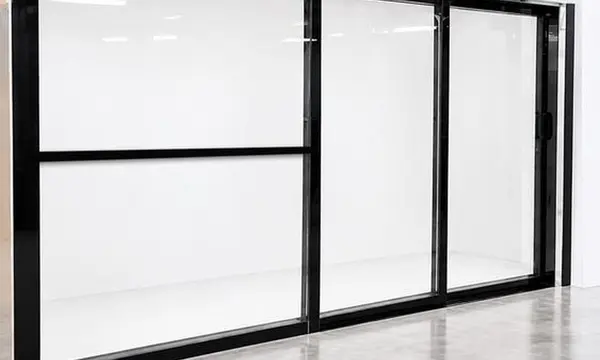
Amare Group presents DOORY large-format patio doors for superyacht saloons, promoting panoramic glazing and marine structural integration at METSTRADE 2026.
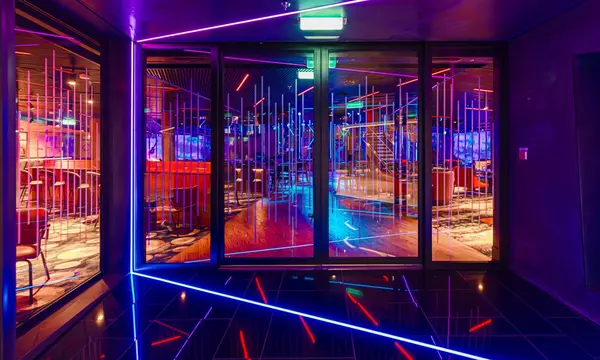
Pocadel presents B15, A60 and C0 fire-rated marine glazing with aluminium frames at METSTRADE 2026, linking interior openness with ship safety requirements.
Southern Wind details its Perfect Balance approach to the SW106 GTO, linking performance under sail, cruising comfort and feedback from existing owners.
Oceanco, Mario Biferali Yacht Design and Lateral outline Anthos, a 150m container-ship conversion concept with a 10,630GT proposed layout.
Superyacht Guide
Continue into the wider Superyacht Guide.
Business opportunities · Superyacht Guide
Companies serving the superyacht market can discuss clearly identified advertising, sponsorship and business-profile opportunities. Commercial activity remains separate from independent editorial coverage.