
Pocadel Highlights B15 and A60 Fire-Rated Glass for Superyacht Interior Design
By Superyacht Guide Newsroom · Edited by Superyacht Guide Newsroom
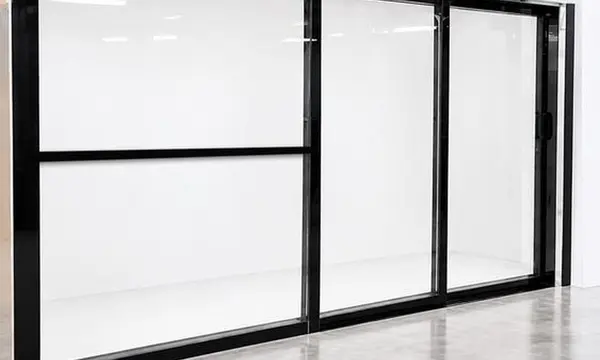
Pocadel fire-rated marine glazed door and wall structural installation original manufacturer photography
Pocadel presents B15, A60 and C0 fire-rated marine glazing with aluminium frames at METSTRADE 2026, linking interior openness with ship safety requirements.
Finnish manufacturer Pocadel is presenting its fire-resistant glazed door and wall systems in the METSTRADE 2026 Superyacht Zone, offering an example of how yacht designers can seek visual openness while respecting the safety requirements of marine accommodation. The company's official exhibition material describes lightweight glazed structures classified B15, A60 and C0, with an emphasis on aluminium framing instead of the more traditional steel construction used in many ship interiors. Its wider product catalogue includes decorative doors, glazed partitions and automatic options. These are existing product families rather than a newly announced 2026 breakthrough. The significance for owners and shipyards is the opportunity to examine how a large yacht's interior can combine light, sightlines and architectural continuity with the fire boundaries required by its design and certification.
A glass wall aboard a yacht is often presented to clients as an aesthetic choice. It can allow natural light to reach an interior passageway, preserve views through a saloon or make a shared space feel more open. But a glazed partition may also form part of a fire division. In that case the glass, frame, seals, fittings and installation details must be assessed as a tested assembly rather than selected independently for their appearance. A decorative panel that looks identical to a fire-rated installation does not necessarily offer the same performance. The shipyard's approved fire plan should identify the necessary classification and the locations where the boundary matters. Designers can then choose from appropriate certified systems without assuming that the desired visual effect automatically satisfies the structural and regulatory obligations of the vessel.
Pocadel's exhibitor listing identifies B15 and A60 glazed doors, windows and walls alongside C0 options. Such class labels signify different divisions and performance criteria under the applicable maritime fire-protection framework. They should not be treated as interchangeable descriptions of a general fire-resistant glass material. For a given project, the naval architect and classification adviser must determine exactly which boundary type is required and which product assembly has suitable approval for that use. This includes checking the documentation for the complete system, not merely a glass pane. A single installation may involve adjacent panels, doors, framing and penetrations whose details affect how the boundary performs. Owners commissioning complex interiors should insist that the fire-rating discussion happen alongside the design review, before bespoke finishes and panel dimensions become difficult to change.
The supplier states that it pioneered fire-resistant glazed structures using aluminium frames in place of traditional steel within ship interiors. Lower-weight approaches can be attractive on yachts where designers carefully manage mass and where slender framing helps a room feel visually open. The actual benefit depends on the size, configuration and approved design, so claims about weight savings should be supported by product data. Aluminium also behaves differently from steel under heat, which makes the certified assembly and its tested construction particularly important. It would be wrong to assume that changing the frame material in an otherwise familiar-looking fire door is a minor substitution. The manufacturer has developed specific systems for its purpose, and a yacht must install the tested type according to its instructions and applicable approval conditions.
Pocadel's own product website provides greater technical specificity than the brief METSTRADE listing. For example, it lists A60 glazed single windows with an 80-millimetre frame thickness and identifies tested configurations and dimensional limits. It also describes hinged doors with prescribed fittings, as well as continuous glazed arrangements. These numbers provide useful starting points for design, but they are not an invitation to apply a particular dimension to every fire class or installation type. A designer must retrieve the current data sheet for the selected model and verify whether the required glazing, opening size and mounting conditions are covered. A wall opening that exceeds a listed size may require a different certified arrangement. The yacht's approval process should capture such constraints before interior construction begins.
High-end owners may want curved lines, expansive glass, custom metal finishes or special decorative treatments within fire-rated partitions. Pocadel advertises a range of finish options and decorative glass possibilities, showing that safety and design need not be treated as mutually exclusive. Nevertheless, customisation must stay within the boundaries of the product's approval or be separately assessed. Adding a decorative laminate, modifying a door closer or choosing an unusual handle can affect a system's approved configuration. The interior designer should work directly with the manufacturer or authorised technical representative to confirm what changes are permissible. A beautiful specification that cannot pass acceptance testing creates costly delays, and it can force the yard to replace completed finishes shortly before delivery. Early coordination is therefore essential.
The Finnish manufacturer's product catalogue describes a space-saving wide glazed tandem sliding door intended for larger openings. On a yacht, wide openings can create impressive connections between social areas, but moving fire-rated glass introduces substantial mechanical and safety complexity. Door mass, guides, locking arrangements and closing behaviour need careful consideration. The design must also fit the vessel's escape-route and fire-division requirements, where applicable, and remain usable in the motion and vibration conditions expected at sea. Automatic operation adds the need to consider sensors, power loss and manual procedures. The mere availability of a wide sliding product does not establish that it can replace any hinged fire door. Every proposed location should be reviewed for its classification, installed geometry and operational requirements before the owner approves the layout.
Pocadel's own description refers to concealed closers, standard and decorative pulls, access-control options and other fittings. These elements shape a guest's impression of the finished room, but they also influence whether a fire-rated door operates as intended. An incorrectly adjusted closer, incompatible latch or later-added electrical lock can undermine the operation of a certified assembly. Access-control features must not create obstacles to safe escape. A prudent build specification therefore records precisely which fittings are approved for the chosen door and who will commission them. Shipyards should plan service access to concealed mechanisms and provide replacement-part information to the management team. Interior quality is measured not only by how discreet the hardware appears but also by whether the door continues to close, latch and remain maintainable after years of use.
Glazed marine partitions may also contribute to acoustic comfort, climate control and privacy. Pocadel's published product descriptions identify sound-reduction performance for particular variants and list optional treatments. Those attributes could be useful near owner accommodation or between public and working areas, but performance data for one model cannot be carried over to another without documentation. The assembly's performance also depends on surrounding construction, seals and penetrations; an excellent door cannot compensate for a poorly detailed adjacent wall. Yacht designers should evaluate fire performance first where it is a mandatory requirement, then coordinate acoustic and aesthetic objectives within the approved system. If the owner requests greater sound isolation, the relevant glazing and frame specification should be reviewed for thickness, weight and installation consequences.
A superyacht refurbishment may seek to introduce more glass into an interior originally divided by solid fire doors and panels. That can transform the look of the vessel, yet it demands careful inspection of the existing deckhead, bulkhead and opening geometry. Removing an older partition without determining its role in the approved fire plan would be a serious error. The yard must examine the boundary class, surrounding substrate and available fixing points before ordering replacement glass. There may be limitations on size, deflection or the way the assembly attaches to the structure. A manufacturer should be involved early so the proposal uses an approved installation detail rather than an improvised interface. Owners also need a realistic schedule: the longest delays can emerge from late design revisions and approval questions rather than from manufacturing the visible panels.
Large glazed surfaces require routine care, but a fire-rated assembly needs more than cosmetic attention. Gaskets, hinges, closers, locks and mounting details may be essential to its function. Crew should follow the manufacturer's cleaning and inspection recommendations and avoid using products or methods that could damage specialist materials. A door that drags, fails to latch or has been propped permanently open should be assessed and corrected, not simply treated as a minor guest-service inconvenience. A change to decorative film or privacy treatment may also merit checking with the supplier if it affects the approved glass. The vessel's planned-maintenance system should identify fire-rated doors and partitions as equipment requiring a record of defects and repairs, with suitable specialist assistance when needed.
The METSTRADE listing supplies the central facts: Pocadel's participation in the 2026 programme and its advertised B15, A60 and C0 glazed structures with aluminium framing. The manufacturer's website provides examples of specific product types, sizes and options. Neither source is a certificate proving that an arbitrary yacht installation will pass a particular authority's acceptance process. Owners should request current approval documents, the exact tested assembly drawings and information about permitted variations. Photos of an attractive installation likewise do not prove the classification of every visible panel. The editorial value of studying the offering is that it helps the owner ask better technical questions while maintaining a firm separation between manufacturer advertising and independent compliance evidence.
The wider trend in superyacht interiors favours connected spaces and generous sightlines, but those ambitions must coexist with the compartmentation and safe-escape arrangements of a seagoing vessel. Pocadel's presentation shows that certified marine glazing can be part of that discussion rather than an obstacle discovered at the end of design. Aluminium-framed B15 and A60 doors and walls, decorative options and wide sliding arrangements offer designers a range of possibilities, subject to their specific approvals. For a newbuild or refit, the strongest outcome is an interior that looks coherent and meets the yacht's documented safety requirements. That requires early coordination between designers, naval architects, supplier engineers and the approving parties. The safest luxury is a product whose beauty and engineering were considered together from the beginning.
Primary source: Pocadel Oy — official METSTRADE 2026 B15 and A60 glazed structures listing.
Manufacturer photograph: Pocadel fire-rated glazed marine doors and partitions, official Pocadel product catalogue. Official source.
Explore
Go deeper into the yachts, companies, events and destinations directly connected to this article.
Continue reading

Apure Marine lists its FORTIS IP67 lighting fixture with two beam-angle options and a low-glare lens design for demanding yacht environments.
Amare Group presents DOORY large-format patio doors for superyacht saloons, promoting panoramic glazing and marine structural integration at METSTRADE 2026.

Southern Wind details its Perfect Balance approach to the SW106 GTO, linking performance under sail, cruising comfort and feedback from existing owners.

Oceanco, Mario Biferali Yacht Design and Lateral outline Anthos, a 150m container-ship conversion concept with a 10,630GT proposed layout.
Superyacht Guide
Continue into the wider Superyacht Guide.
Business opportunities · Superyacht Guide
Companies serving the superyacht market can discuss clearly identified advertising, sponsorship and business-profile opportunities. Commercial activity remains separate from independent editorial coverage.