APM Sends Telescopic Keels for Swan 108 Hulls Three and Four to Finland
By Superyacht Guide Newsroom · Edited by Superyacht Guide Newsroom
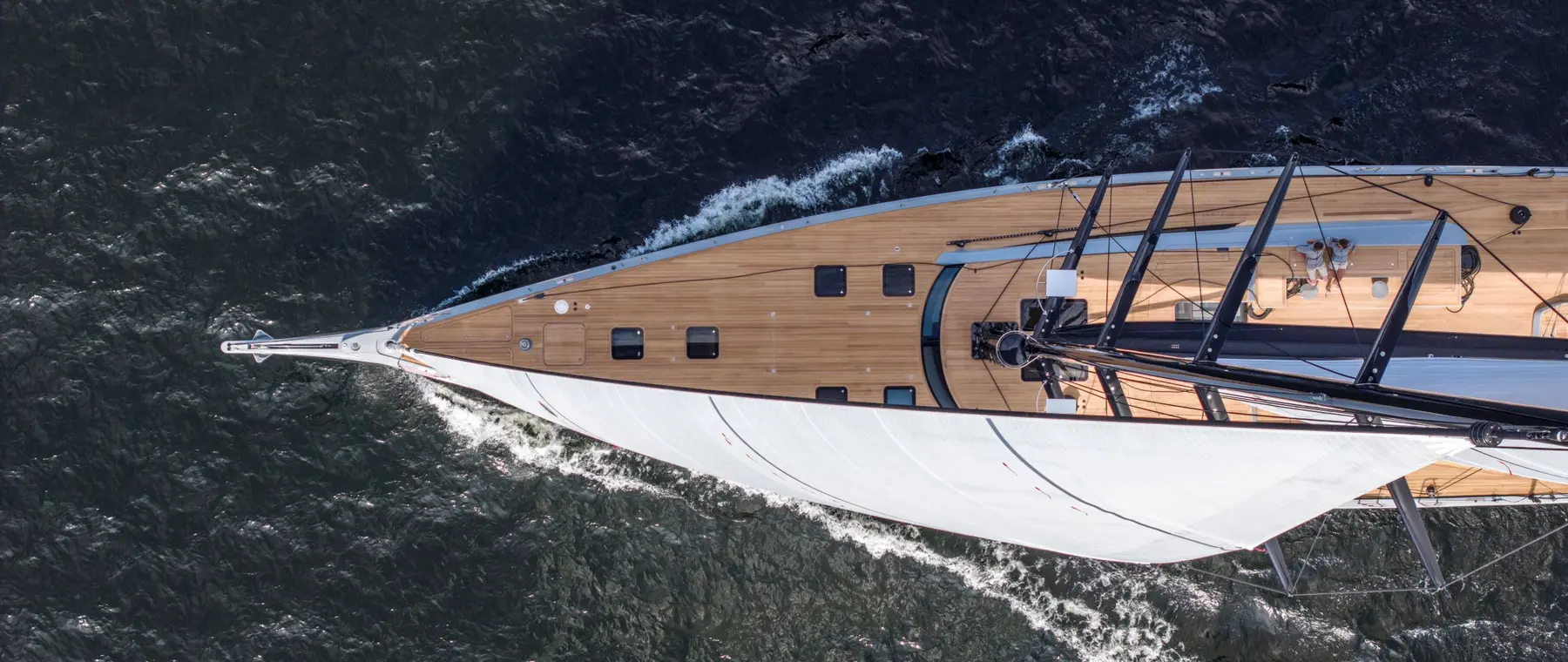
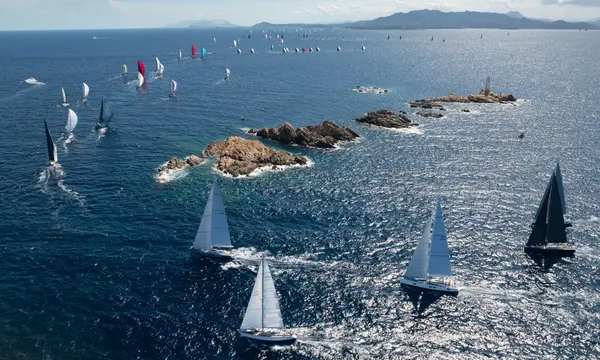
Nautor Swan 108 class official sailing photograph — SYG newsroom 20261124 batch11
APM Keels has sent two telescopic keel assemblies ahead of schedule for separate Nautor Swan 108 yachts in build in Finland.
APM Keels has delivered two telescopic keel assemblies for Nautor Swan 108 hulls three and four to the yacht builder in Finland, supplying specialist underwater components for two real sailing-superyacht projects. The keel manufacturer disclosed the shipments on 16 November 2026, saying the equipment was sent ahead of its scheduled delivery date and would be installed on the respective yachts at Nautor's yard. The official statement concerns a construction milestone: it does not say the two new yachts have been launched, completed sea trials or handed over to their owners.
The update is relevant to the larger sailing-yacht industry because telescopic keels are highly engineered systems that affect draft and performance. A 108-foot class yacht cannot accommodate major underwater structures without careful design, construction sequencing and alignment between the naval architect, builder and specialist manufacturer. The progress of hulls three and four shows work continuing beyond the first examples of the Swan 108 range, although the release does not identify the owners or disclose the full construction programme of either vessel.
APM refers separately to Swan 108 number three and number four. That distinction matters for anyone maintaining a yacht database or following shipyard activity. The equipment was described as two telescopic keels destined for two different yachts. One shipment announcement cannot be used to infer that both hulls are at precisely the same construction stage or have identical interior configurations.
The press note names the individual builds by sequence number, but does not disclose their registration names, hull identification certificates or ownership. Project design details should therefore remain associated with the correct hull rather than being transferred between records. The useful factual development is that the builder now has major keel equipment for both named-number projects.
APM Keels specialises in keel engineering and manufacture, including fixed, lifting and telescopic arrangements for sailing yachts. In this case the company is the supplier reporting delivery, while Nautor Swan is the yacht builder receiving the equipment. The parties therefore have distinct responsibilities, even if engineering discussions are collaborative.
A specialist supplier can manufacture a component against a detailed technical specification, but final integration must match the yacht's structure and onboard operating systems. The official note does not publish contractual responsibilities for warranty, commissioning or installation. Owners should never assume those terms from a short public news release.
A telescopic keel enables a vessel to operate at different drafts within the limits established by its designer. A greater draft can support certain sailing-performance objectives; a reduced draft can make access to selected destinations or sheltered waters more practical. These benefits require careful analysis of righting moment, ballast, structural loads and sailing conditions rather than a simple claim that more movement is always better.
For a large sailing yacht, the variable-draft system must perform under considerable loads and still remain serviceable. The mechanism, locking arrangements and associated control systems require documented testing. An attractive specification cannot substitute for reliable engineering, and the press announcement does not present a newly measured performance improvement from the two delivered units.
Nautor's official Swan 108 model material describes a large cruising sailing yacht developed for owners who want performance combined with the accommodation and systems expected on a superyacht. The 108-foot designation places the range at approximately 33 metres, comfortably above the industry's common 24-metre superyacht threshold.
The published model specification should not be mistaken for a final as-built survey of hulls three or four. Options and future changes can affect individual equipment, and the official keel report does not state every configuration chosen for those two builds. Details such as exact certified draft, displacements and equipment should be confirmed from their eventual build documentation.
A keel interacts with the hull, rudders, sails and rig as part of a complete naval architecture package. Its shape and mass influence stability and resistance, while its movement demands a suitably strong interface with the vessel. Designers must consider a range of operating conditions and anticipate how the mechanism will be used during different phases of a voyage.
Nautor attributes the Swan 108 range's naval architecture to German Frers. The shipment statement does not provide a new drawing package or suggest that APM has taken over responsibility for the entire yacht's naval architecture. It documents manufacture and delivery of a major specialist element within a wider team-led project.
APM says the two keels reached Finland ahead of the expected delivery timing. Receiving major equipment early can help a yard protect critical stages in its construction schedule. It may allow inspections, installation planning and coordination to proceed with more flexibility, although this does not automatically mean an earlier launch.
Supply-chain timing is particularly relevant for components that cannot be improvised or replaced easily at short notice. Heavy underwater hardware must fit a structural arrangement prepared in advance. The release confirms the manufacturer's early delivery; it gives no new committed dates for outfitting completion, sea trials or handover.
The company's wording says the keels are due to be installed on the yachts at the yard. It does not claim that installation was already finished by 16 November. That distinction is critical because shipment is only one step. Lifting operations, seating, connections, tests and any required inspection all follow the arrival of equipment.
A finished vessel must demonstrate that the system operates safely as part of the whole yacht. No photograph or manufacturer update from the delivery stage should be labelled as proof of final acceptance. Editors tracking the projects should keep the shipment date separate from eventual commissioning milestones.
Owners of large sailing yachts often balance offshore sailing ambitions against access to harbours, anchorages and maintenance facilities. A vessel with a significant fixed draft can encounter restrictions in shallower locations. A movable keel may extend practical options, but the skipper must still account for charted depth, tides, under-keel clearance, seabed conditions and system operating limits.
A telescopic system is not permission to navigate uncharted shallow water. The actual permitted draft settings and procedures will depend on each yacht's approved specifications. These operational points explain the appeal of variable draft without inventing a universal draft figure for the delivered equipment.
A long-distance sailing superyacht may cross oceans and then visit sheltered bays or island destinations. Crew planning for those contrasting uses must understand how appendages alter manoeuvrability and minimum water depth. When a system is adjustable, accurate position indications and written procedures can help prevent errors.
The Nautor project is intended to support sophisticated cruising and sailing rather than a single short race course. Yet the keel press release contains no confirmed itinerary for either new hull. It would be wrong to treat possible destinations as actual future voyages of hull three or four.
The keel region handles forces that change with heel, speed and sea conditions. Structural design must account for those forces and provide a robust connection between the appendage and hull. A telescopic arrangement adds mechanical and control considerations on top of those facing a fixed keel.
The technical work normally requires coordination between structural specialists, the keel maker and the yacht builder. APM has not published detailed load calculations, hydraulic schematics or component weights for these two deliveries. Reporting should therefore describe the engineering category accurately without inventing numbers or claiming independent certification not stated in the source.
Complex underwater systems require an appropriate service regime. Inspections and planned maintenance may involve examining fasteners, seals, bearings, actuators and control elements, depending on the particular design. Reliable records help future crews understand when the keel was serviced and what work was performed.
The official announcement is not an operating manual. It says the latest generation of APM telescopic keels will be fitted, but gives no universal service interval or permitted maintenance method. Owners and captains will need the manufacturer-issued instructions for their specific equipment once the yachts enter service.
A series of yachts based on the same platform can allow a builder to benefit from lessons learned on earlier hulls. Design improvements, installation methods and the relationship with specialist suppliers may evolve during production. Supplying keels to hulls three and four indicates a continuation of the programme.
That observation does not establish a sales total for the entire Swan 108 range or confirm that subsequent hulls have been contracted. The release is specific to the two vessels named. Future announcements should be checked independently before adding new builds to a live yacht registry.
APM's statement acknowledges the Nautor team and anticipates the arrival of further Swan 108 yachts in the sailing-superyacht world. This is a supplier's positive description of an ongoing relationship. It should not be inflated into a formal exclusivity agreement or proof that APM supplies all keel equipment across Nautor's fleet.
There are commercial reasons why a builder and supplier may work closely on complex repeat projects: consistent drawings, logistics and service knowledge can matter over many years. But contractual scope and future orders are separate subjects that the November note does not detail.
Nautor publishes photographs of the Swan 108 class, including yachts sailing in open water. Those images are useful for showing the type of vessel that will receive the keels. They are not evidence of the appearance, launch or sea trials of hulls three and four. The distinction must be maintained in image credits and public listings.
Similarly, illustrations of an adjustable keel on a generic yacht may explain the underlying concept but cannot confirm the final equipment configuration of an individual hull. A trustworthy report identifies whether each visual depicts the specific subject, the model family or a design illustration.
The main construction tasks remaining after a keel shipment may include installation, systems integration, outfitting, testing and final delivery preparations. The order can vary with each yard's production sequence. APM's note does not identify when these activities will occur for either yacht, so no delivery quarter should be invented.
For owners, the final result should be judged by performance and reliability once the complete system has been commissioned. The early arrival is positive for scheduling but not a substitute for trials or formal owner acceptance.
Large sailing yachts are sophisticated engineered products, and the most consequential progress may concern components that remain out of sight once the vessel is afloat. An adjustable keel affects stability, design choices and the way a yacht can be operated. Its delivery is therefore a legitimate milestone even when the shipyard has not released dramatic launch photographs.
This November report establishes that APM sent telescopic keels for two separate Swan 108 hulls to Finland ahead of planned timing. The next verified developments will be installation, commissioning and future official updates on the two individual yachts. Until then, the correct status is equipment delivered for hulls three and four, not completed or delivered sailing yachts.
Primary source: APM Keels original manufacturer announcement, 16 November 2026.
Photo: Nautor Swan, official manufacturer image showing a representative Swan 108 sailing yacht; not a photograph of Hull 3 or Hull 4 or their delivered keel assemblies. Official source.
Explore
Go deeper into the yachts, companies, events and destinations directly connected to this article.
Continue reading
The history and engineering of the 28.27m first hybrid-electric Swan 88 DreamCatcher, with its distinct Nautor hull identity and official 2024 source.
Nautor Swan has ordered a new 50-metre aluminium sailing-yacht hull alongside construction of its first Swan Alloy 44, expanding its big-yacht programme.
Nautor Swan has presented its 43.5m Swan Alloy 44 as the first model in a new aluminium sailing-superyacht line, with a 50m edition and …
Freya won the Swan Maxi division at the 2026 Rolex Swan Cup after three successive race victories, as the 170-yacht event concluded in Porto …
Superyacht Guide
Continue into the wider Superyacht Guide.
Business opportunities · Superyacht Guide
Companies serving the superyacht market can discuss clearly identified advertising, sponsorship and business-profile opportunities. Commercial activity remains separate from independent editorial coverage.
